
Pickled Cucumbers, or Turşu, are a Turkish pantry staple made by brining crunchy cucumbers in a simple vinegar, salt, and water solution. They turn tangy and crisp in about a week, no canning equipment needed.
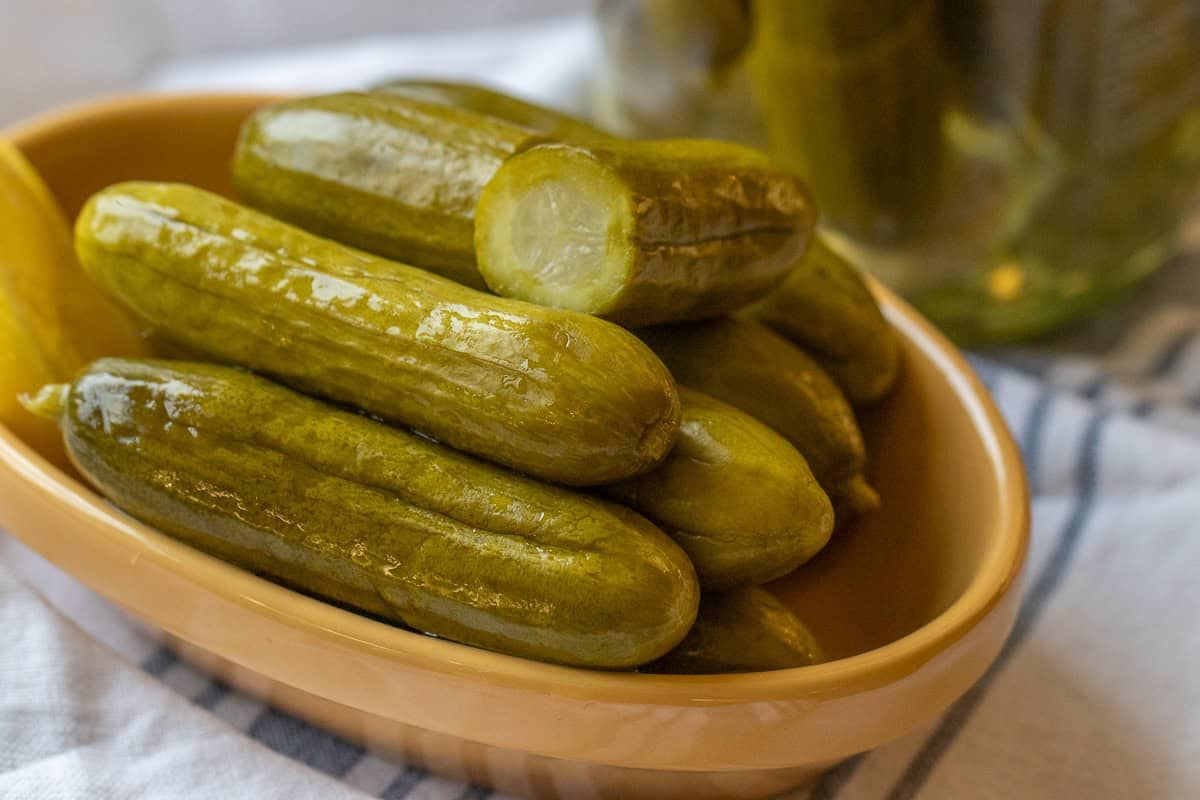
My mom has been making them this way for as long as I can remember, and now I'm sharing her method with you. It's an easy, hands-off recipe that keeps for months in the fridge.
The best part? They’re super easy to make at home with just a handful of ingredients, and they’re completely vegan and gluten-free!
Jump to:
In Turkey, turşu (pickles) are served with everything from grilled meats to hearty stews and Chicken Couscous. The brining process not only preserves the vegetables but also gives them that signature tartness and crisp bite.
My mom doesn't stop at cucumbers, though; she pickles cabbage, peppers, green tomatoes, and even eggplants using this same brine recipe, and it works every time.
Why This Recipe Works
- Whole small cucumbers packed tightly soak up the brine evenly, so every bite stays crunchy from the first jar to the last.
- The brine is heated just enough to dissolve the salt and sugar, then cooled before pouring, so the cucumbers never get cooked or turn soft.
- Citric acid (or lemon) adds a clean, bright tang that balances the vinegar without overpowering the garlic.
- No fermentation crock, jar weights, or canning bath needed, just a sterilized jar and a cool, dark spot.
- One batch keeps in the fridge for months, so it's worth making a full jar at a time.
Ingredients for Turkish Pickles
Please scroll down to the recipe card below for the full ingredients list with measurements, complete recipe method, recipe notes, and nutritional information.
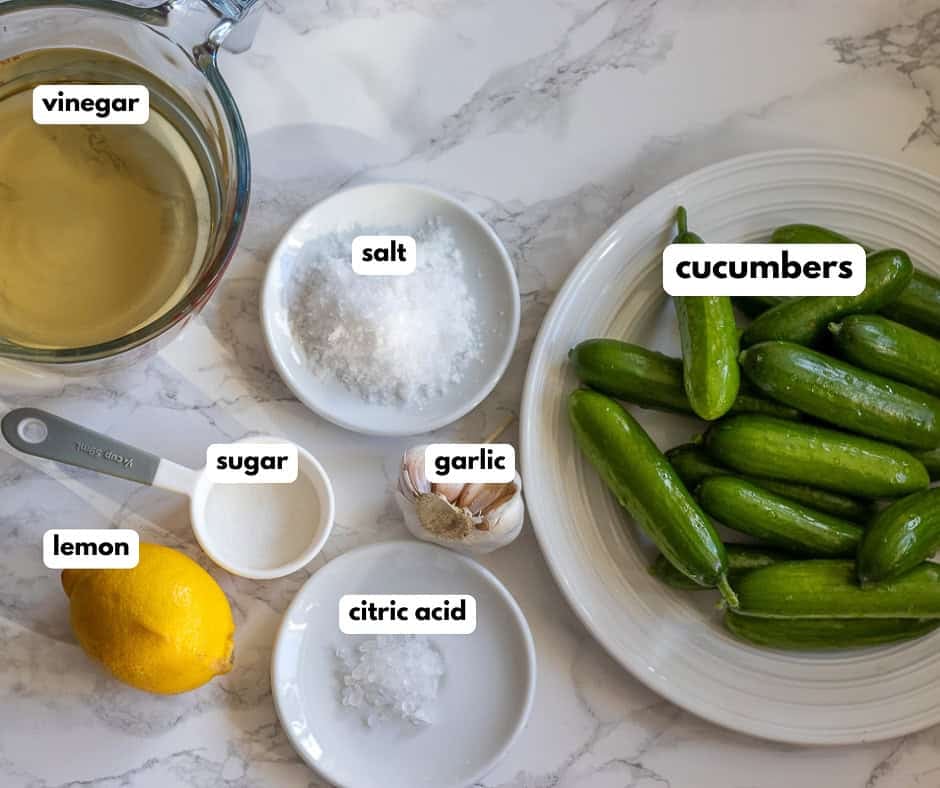
- Vinegar - I use apple cider or white wine vinegar, but any white vinegar you have at home will work. Just keep in mind that different types may affect the flavor and tartness of your Turkish pickles.
- Cucumber - For the best results, small, firm cucumbers with thin skin work best. These absorb the brine well while maintaining their crisp texture. Persian or Kirby cucumbers are popular choices. Avoid overly large or waxed cucumbers, as they tend to become soft during pickling.
- Salt - Pickling salt, rock salt, or coarse sea salt.
- Citric acid - I use it to add a nice tang to my pickled vegetables but you can use lemon juice instead.
How to Make Pickled Cucumber - Salatalık Turşusu
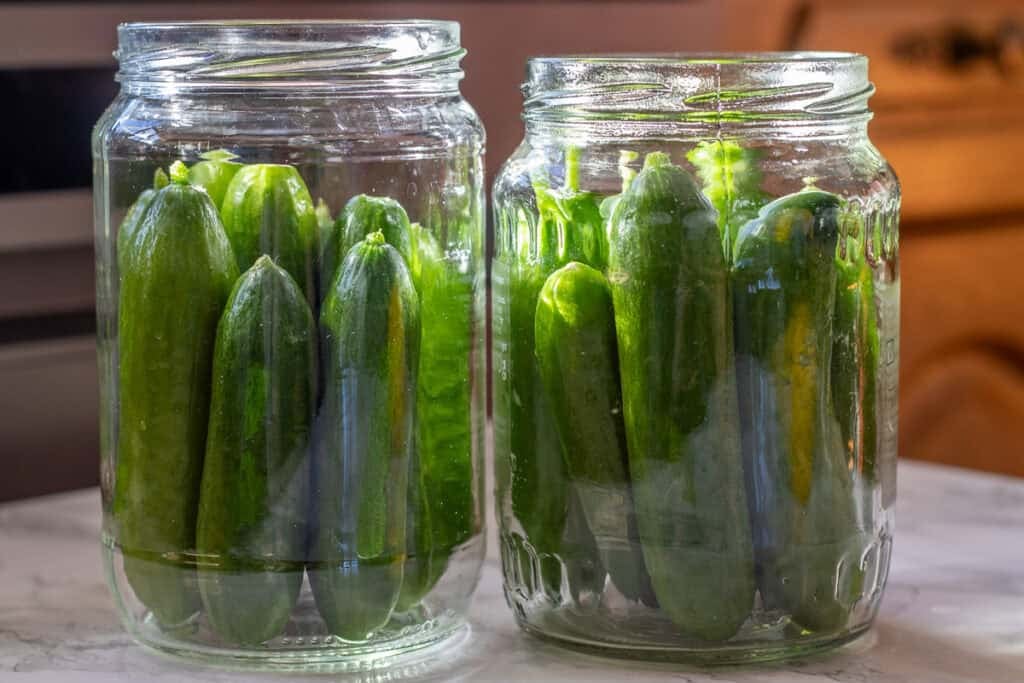
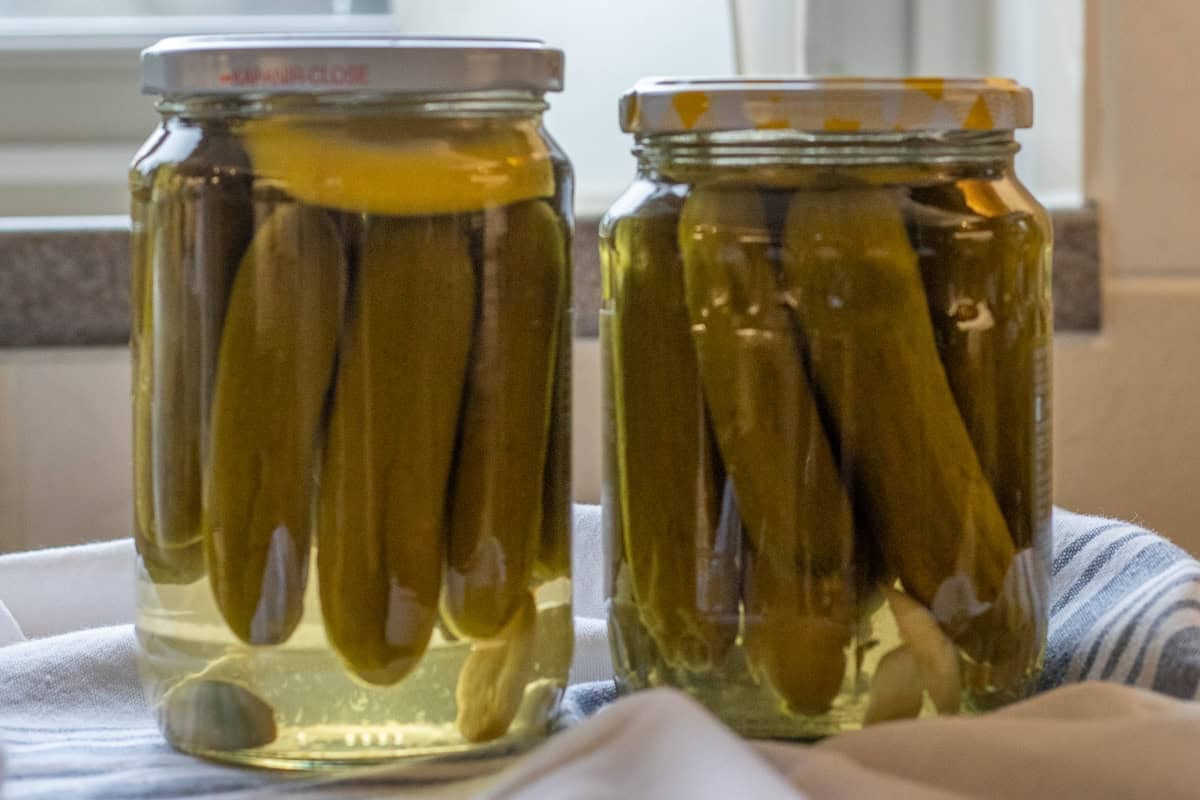
Wash the cucumbers thoroughly and trim the ends. You can poke small holes in each cucumber to help the brine penetrate faster. Arrange the cucumbers tightly inside a sterilized jar and place garlic cloves and lemon slices around the cucumbers.
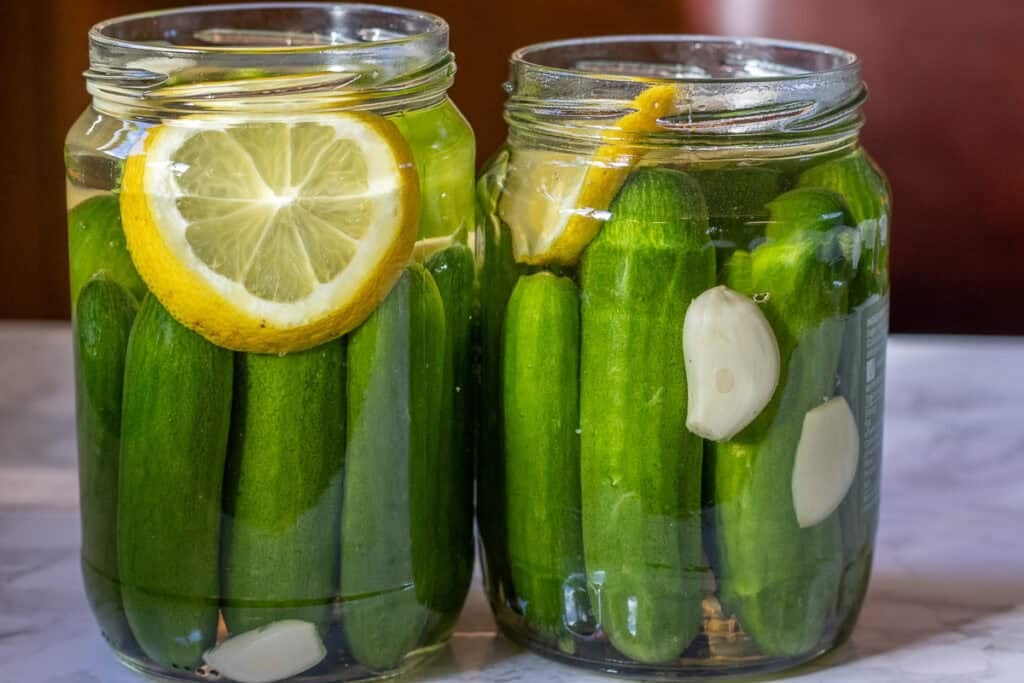
In a pot, heat water, vinegar, sugar, citric acid, and salt until the salt dissolves. Allow it to cool to room temperature before pouring over the cucumbers.
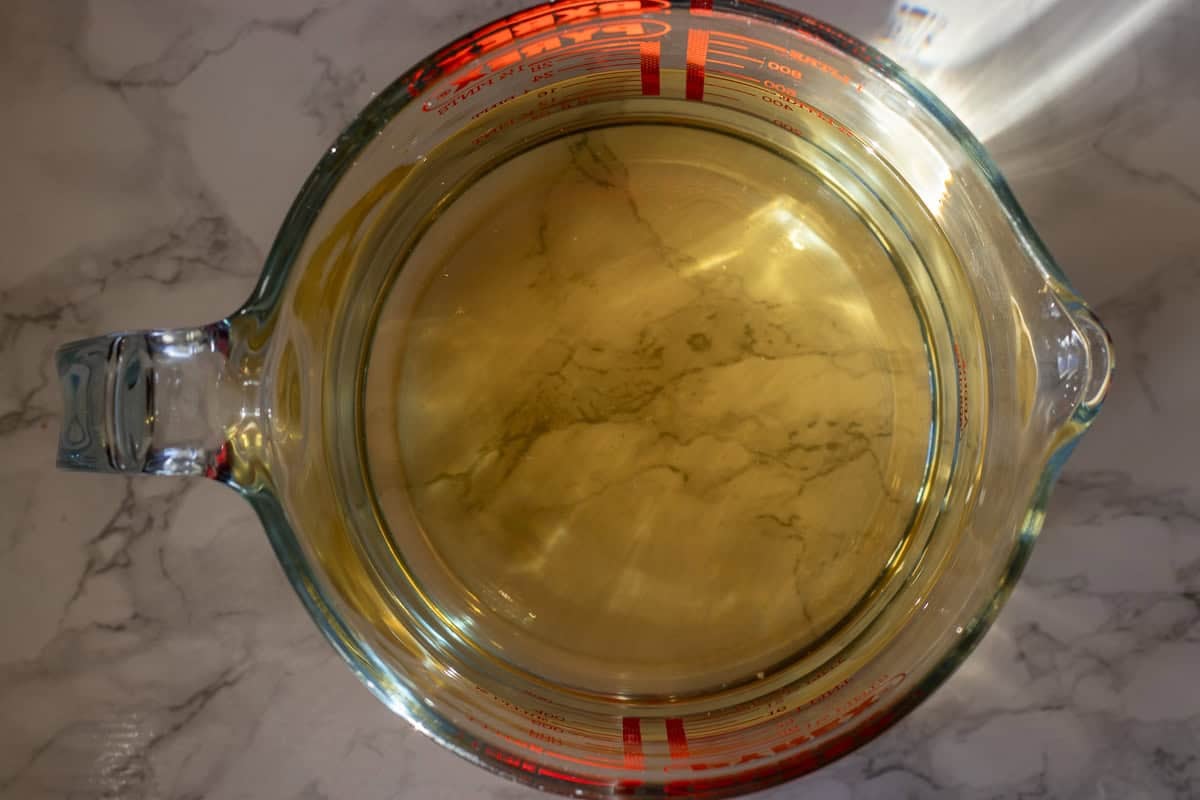
Make sure the cucumbers are fully submerged in the brine. Seal the jar tightly and store it in a cool, dark place. The pickles will be ready in about 7 to 10 days, with flavors intensifying over time.
Recipe Tips From the Chef
- If you can't find Persian or Kirby cucumbers, look for the smallest, firmest ones at the store and slice larger cucumbers into spears instead of pickling them whole.
- Use non-iodized salt. Regular table salt can cloud the brine and affect the taste.
- Adjust the amount of salt and sugar according to your taste preferences. The salt adds flavor and helps with preservation, while the sugar balances the acidity of the vinegar and lemon juice.
- Feel free to add additional flavorings such as bay leaves, fresh dill, or mustard seeds.
- Keep cucumbers fully submerged. Weigh them down with a small plate or fermentation weight if needed.
- Adjust the vinegar. More vinegar results in a sharper taste while less creates a milder pickle.
- Trim the blossom end of each cucumber (the end opposite the stem) before pickling. It can carry an enzyme that softens pickles over time.
- For extra crunch, soak the cucumbers in ice water for 20 to 30 minutes before pickling, then pat them dry.
- Many home cooks in Turkey tuck a handful of raw chickpeas into the jar. They're said to speed up the pickling process and add extra crunch.
- Tuck a grape leaf, a bay leaf, or even an unused black tea bag into the jar. The tannins in these help the cucumbers stay firm and crunchy as they pickle.
How to Enjoy Salatalık Turşusu
Turkish Pickles are great on their own but also work well as:
A complement to hearty stews and bean dishes such as Tas Kebabi - Turkish Beef Stew, Etli Taze Fasulye - Green Bean Stew with Meat, Hashweh - Lebanese Ground Beef and Rice, and Kuru Fasulye.
A crunchy side for kebabs and grilled meats such as Urfa Kebab - Turkish Ground Lamb Kebab, Lamb Shish Kebab, and Doner Kebab.
A topping for sandwiches and burgers, or a tangy addition to Kumpir - Turkish Loaded Baked Potatoes.
Storing and Shelf Life
Once opened, keep the jar refrigerated. Properly stored, homemade Turkish pickles last several months. A little cloudiness in a fresh batch is usually just mineral content from the water, but if the brine grows cloudier over time or the smell seems off, discard them.
Recipe FAQs
It's not recommended. The brine loses its acidity and salt balance after the first batch, which can affect the safety and flavor of the next batch. Don't toss it, though: the tangy leftover brine works well whisked into salad dressings, or you can drink a small glass of it as a tart pick-me-up, a common tradition in Turkey.
Reducing vinegar or salt can affect preservation and safety. Adjusting the sugar for taste is fine, but vinegar and salt should stay close to the recommended amounts.
Vinegar pickles are made with vinegar-based brine, while fermented pickles use a saltwater brine that naturally ferments over time.
Soft pickles are usually caused by overripe or oversized cucumbers, iodized table salt, brine that's too hot when it's poured over the cucumbers, or cucumbers that aren't fully submerged. Trimming the blossom end and using rock or pickling salt both help keep them crisp.
Yes. Many home cooks in Turkey add a handful of raw chickpeas to the jar, which is said to speed up the process. You can also taste-test after about 10 days and let the jar sit longer if you want a stronger tang.
Cloudy brine is usually caused by tap water, which contains minerals that cloud the liquid, or by using iodized salt instead of rock or pickling salt. If you don't have filtered water, boil your tap water and let it cool completely before making the brine. A little cloudiness on its own isn't dangerous, but discard the jar if it also smells off or the pickles feel slimy.
Related Recipes
For more delicious condiment recipes why not try:


Did you make this recipe? Please let me know how it turned out! Leave a comment below and tag @cookingorgeous on Instagram and hashtag it #cookingorgeous.
I hope you enjoy the process of making this deliciously tangy and crunchy Pickled Cucumber - Salatalık Turşusu as much as you enjoy eating it! 🙂
Want to Save This Recipe?
Enter your email & I'll send it to your inbox. Plus, get great new recipes from me every week!
By submitting this form, you consent to receive emails from Cooking Gorgeous
Pickled Cucumbers Recipe - Tursu
Ingredients
- 1 ½ lbs small cucumbers (650 grams)
- 1 ½ cups white wine vinegar or apple cider vinegar
- 2 cups water
- 7 cloves garlic
- 2 ½ tablespoon salt (coarse sea salt or rock salt)
- 1 tablespoon caster sugar
- 1 teaspoon citric acid (or sliced 1 lemon)
Instructions
- Wash the cucumbers thoroughly and trim the ends. You can poke small holes in each cucumber to help the brine penetrate faster.
- Arrange the cucumbers tightly inside of a sterilized jar and place garlic cloves and lemon slices around the cucumbers.
- In a pot, heat water, vinegar, sugar, citric acid, and salt until the salt dissolves. Allow it to cool to room temperature before pouring over the cucumbers.
- Make sure the cucumbers are fully submerged in the brine. Seal the jar tightly and store it in a cool, dark place. The pickles will be ready in about 7 to 10 days, with flavors intensifying over time.
Notes
- If you can't find Persian or Kirby cucumbers, look for the smallest, firmest ones at the store and slice larger cucumbers into spears instead of pickling them whole.
- Use non-iodized salt. Regular table salt can cloud the brine and affect the taste.
- Adjust the amount of salt and sugar according to your taste preferences. The salt adds flavor and helps with preservation, while the sugar balances the acidity of the vinegar and lemon juice.
- Feel free to add additional flavorings such as bay leaves, fresh dill, or mustard seeds.
- Keep cucumbers fully submerged. Weigh them down with a small plate or fermentation weight if needed.
- Adjust the vinegar. More vinegar results in a sharper taste while less creates a milder pickle.
- Trim the blossom end of each cucumber (the end opposite the stem) before pickling. It can carry an enzyme that softens pickles over time.
- For extra crunch, soak the cucumbers in ice water for 20 to 30 minutes before pickling, then pat them dry.
- Tuck a grape leaf, a bay leaf, or even an unused black tea bag into the jar. The tannins in these help the cucumbers stay firm and crunchy as they pickle.
- Many home cooks in Turkey tuck a handful of raw chickpeas into the jar. They're said to speed up the pickling process and add extra crunch.
Jane Lewis says
Simple and so delicious! I didn't have citric acid so I used lemon and it turned out so good.
Ayla Clulee says
I am so pleased to hear that, Jane!