
Turkish Wrap, also known as Tantuni, is a popular street food from Mersin, Turkey. It is a simple but very delicious wrap made with tender beef, sumac onions, tomatoes, parsley, and soft lavash bread. Serve it hot with pickled peppers on the side, just as you would in a Tantuni shop.

Traditional Mersin Tantuni is cooked with cottonseed oil. As it can be difficult to find outside Turkey, I use butter or finely chopped lamb fat instead. The beef cooks first with a little water, then finishes in the pan with paprika, salt, and black pepper. Before filling the wraps, I place the lavash over the cooked beef for a few seconds so it absorbs some of the pan juices.
Jump to:
Tantuni takes very little preparation and is ready in about 40 minutes. It works well for a quick lunch, an easy dinner, or serving friends, especially with a cold glass of ayran alongside.
A kind comment from a reader;
“This is really fantastic!! My family just hoovered it up. Excellent! Will definitely make again. Thanks!”
Traditionally, Tantuni is cooked in a large shallow pan with a hollow center. The meat cooks in the middle, while the outer section is used for warming the wraps. You do not need a special Tantuni pan to make it at home. A wok, large skillet, or wide frying pan works well.
Why This Recipe Works?
- You can make a proper Mersin-style Tantuni at home without a special Tantuni pan or hard-to-find cottonseed oil.
- It is ready in about 40 minutes, so it is a good option for a quick dinner or when you want something different from the usual wraps.
- The cooking juice from the beef, combined with sumac onion salad, tomatoes, parsley, and pickled peppers, gives every wrap plenty of fresh flavor without needing a heavy sauce.
- You can use lavash, thin flour tortillas, or homemade sourdough flatbread, so the recipe is easy to make with what you can find locally.
- It is easy to prepare the beef and toppings in advance, then warm the bread and roll the wraps just before serving.
- The recipe includes step-by-step photos and a video, so you can see how the beef should look, how long to warm the lavash, and how to roll the wraps.
Tantuni and Döner: What Is the Difference?
Tantuni and döner are both popular Turkish wraps, but they are prepared differently.
Döner is made with seasoned meat cooked on a vertical rotisserie and shaved into thin slices. Tantuni uses small pieces of beef cooked in a skillet or special Tantuni pan with water, fat, paprika, salt, and black pepper.
Tantuni is also lighter on spices. The flavor comes mainly from the beef juices, sumac onions, tomatoes, parsley, and warm lavash.
Ingredients You'll Need
Please scroll down to the recipe card below for the full ingredients list with measurements, complete recipe method, recipe notes, and nutritional information.

- Beef - Use a lean, tender cut of beef that you can dice very small. Sirloin steak, top sirloin, rump steak, or filet steak all work well. Trim away all silverskin, sinew, and hard pieces of fat before cutting the beef. Avoid stewing beef or chuck steak. These cuts need longer cooking and will not give you the tender, small pieces needed for this recipe.
- Fat - Traditionally, Tantuni is cooked with cottonseed oil or lamb fat. Finely chopped lamb fat gives the beef a fuller flavor, but butter is an easy substitute and works very well. Use unsalted butter so you can control the seasoning. You can also use olive oil if needed, but butter or lamb fat gives a closer result.
- Wraps - Thin lavash is the best bread for Tantuni because it warms quickly over the beef juices and rolls easily without breaking. Thin flour tortillas are the easiest substitute in the United States. Choose soft tortillas rather than thick wraps.
- Red onions - Red onions give the salad a little crunch and a stronger flavor. White or yellow onion also works if that is what you have. Sumac onions work great too!
- Tomatoes - Use ripe, flavorful tomatoes with firm flesh. Roma tomatoes, plum tomatoes, or beefsteak tomatoes are good choices. Avoid very watery tomatoes, as they can make the wraps soggy.
- Pickled peppers - Small pickled peppers are traditionally served with Tantuni. Their sharp flavor goes very well with the warm beef and sumac onions. Use Turkish pickled peppers, pickled jalapeños, pepperoncini, or any mild pickled chili you enjoy.
How to Make Tantuni Wraps
Tantuni is easy to make at home once everything is prepared. The key is to cut the beef very small, cook it until tender, and warm the lavash over the juices before rolling the wraps.
Prepare the Beef and Toppings
Trim all silverskin, sinew, and hard fat from the steak. Cut the beef into very small cubes, about ⅕ inch / ½ cm. Keeping the pieces small helps them cook quickly and gives the Tantuni its familiar texture.
Finely chop the lamb fat if using it.
For the onion salad, place the thinly sliced red onion, chopped parsley, sumac, and salt in a bowl. Mix well with your hands or a spoon until the onion softens slightly. Add pul biber if you like a little heat.

Slice or dice the tomatoes and set them aside with the onion salad.
Cook the Beef
Place a wok or large skillet over medium heat. Add the lamb fat and let it render gently. If you are using butter, add it to the pan and let it melt before adding the beef. Add the diced beef and cook it until it releases its water and absorbs it again. This takes about 10 minutes.
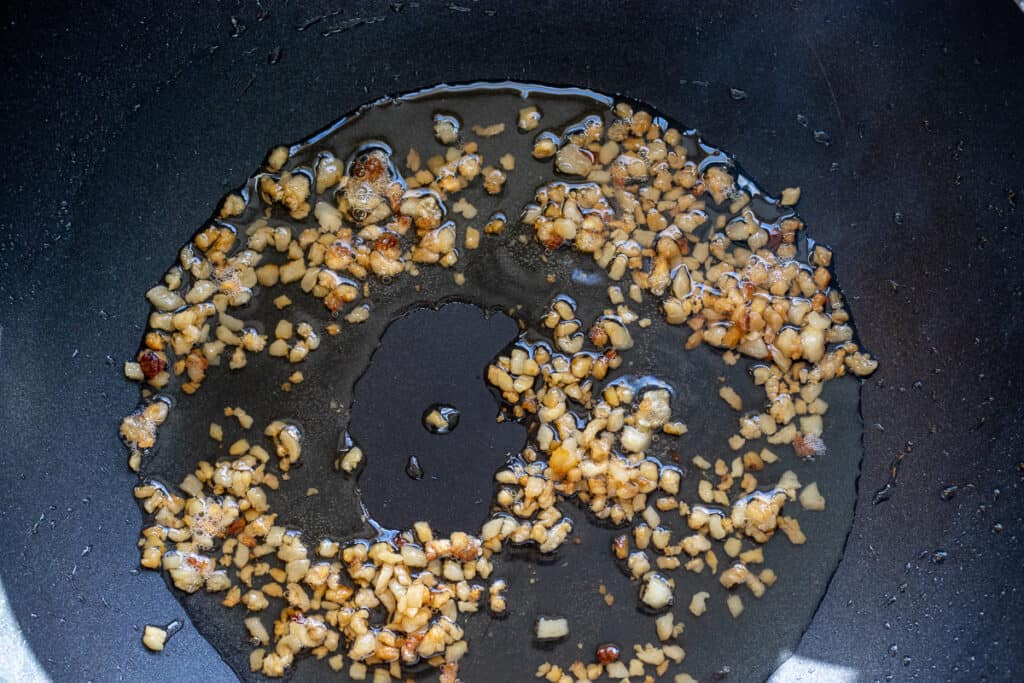

Add the salt, paprika, and black pepper. Stir for 1 minute so the spices coat the beef.
Pour in the water and cook for another 10 minutes, until about half the liquid has evaporated. The beef should be tender, and there should still be a little flavorful juice left in the pan.

Assemble the Tantuni Wraps
Lay one piece of lavash or a thin flour tortilla directly over the cooked beef. Leave it for about 20 seconds so one side absorbs the juices.
Lift the bread from the pan and place it on a plate with the moistened side facing up. This side will become the inside of the wrap. Repeat with the remaining lavash or tortillas.

Add about 2 tablespoons of cooked beef to the middle of each piece of lavash. Top with tomatoes and sumac onion salad. Fold in the sides, then roll the wrap tightly.
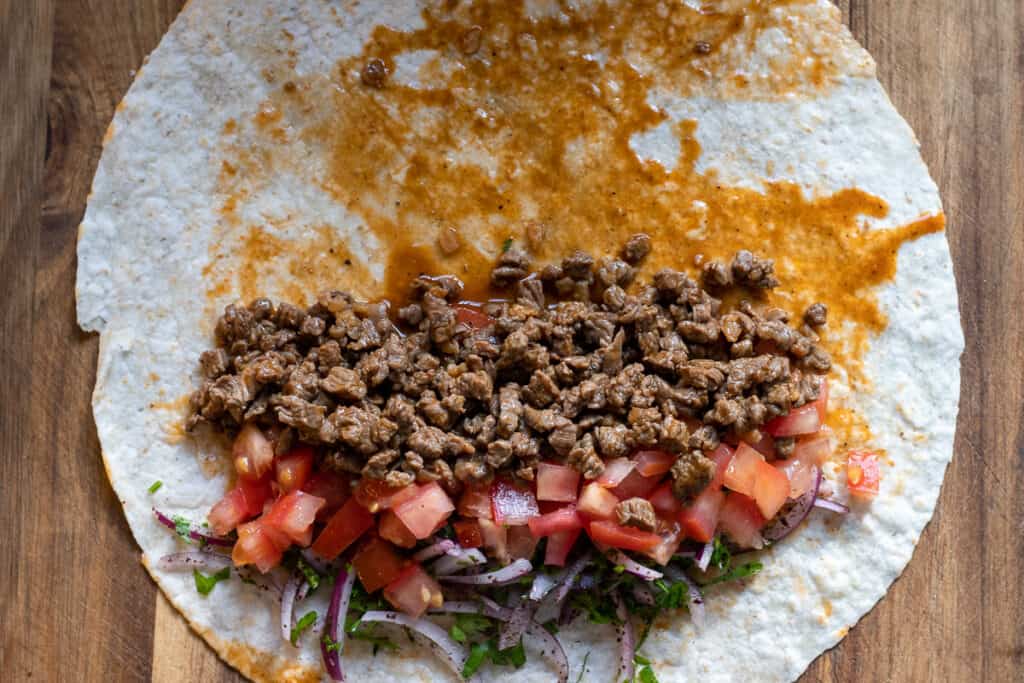

Cut it in half and serve immediately with extra tomatoes, onion salad, and pickled peppers.

Recipe Tips From the Chef
- Trim the steak carefully. Silverskin, sinew, and hard pieces of fat can make the Tantuni chewy.
- Cut the beef into very small, even pieces. Larger pieces need more cooking time and will not give the same texture.
- Keep a little juice in the pan after cooking the beef. The lavash needs it to absorb the flavor.
- Do not leave the lavash over the beef for too long. About 20 seconds is enough. If it becomes too wet, it can tear while rolling.
- Use soft, thin lavash or flour tortillas. Thick wraps are harder to warm over the meat juices and can overpower the filling.
- Mix the onion salad shortly before serving. It tastes best when the onions are still fresh and lightly crisp.
- Assemble the wraps just before serving. The tomatoes and meat juices can make the bread soggy if the wraps sit for too long.
- Serve Tantuni with pickled peppers, extra sumac onions, tomatoes, and ayran for a traditional Turkish street food meal.
What to Serve With Tantuni
Tantuni is usually served with pickled peppers, sliced tomatoes, sumac onion salad, and a cold glass of ayran.
For a larger meal, serve it with Coban Salatasi, White Bean Salad, or Creamy Cucumber Dill Salad.
You can also serve Tantuni alongside Chebureki, Turkish Boyoz Pastry, or Açma - Turkish Soft Bread Rings for a Turkish street food spread.
Storage and Reheating
Tantuni is best served straight after it is made.
Store the cooked beef, onion salad, tomatoes, and lavash separately in airtight containers in the refrigerator. The cooked beef keeps well for up to 3 days. The onion salad is best used within 1 to 2 days, while the tomatoes are best prepared fresh.
Reheat the beef in a skillet over medium heat with a splash of water until hot. Warm the lavash over the reheated beef juices, then assemble fresh wraps.
Do not store assembled Tantuni wraps. The bread will become soggy.
Freezing Instructions
You can freeze the cooked beef filling for up to 2 months. Let it cool completely, then transfer it to a freezer-safe container or freezer bag.
Thaw it overnight in the refrigerator before reheating in a skillet with a splash of water.
Do not freeze the onion salad, tomatoes, or assembled wraps.
Recipe FAQs
This recipe is mild. The beef is flavored with paprika, salt, and black pepper, while pul biber is optional in the onion salad.
Add extra pul biber or Aleppo pepper if you prefer a spicier Tantuni.
Yes. Tantuni is often served in Turkish bread as well as lavash. Use a soft sandwich roll, Turkish pide bread, or a crusty Bolillo Bread Roll, then fill it with the beef, tomatoes, onion salad, and pickled peppers.
Yes. Use gluten-free tortillas or gluten-free flatbread. Check the labels on the stock, spices, and pickled peppers if you need the whole recipe to be gluten-free.
Related Recipes
For more delicious Turkish street food recipes why not try:


Did you make this recipe? Please let me know how it turned out! Leave a comment below and tag @cookingorgeous on Instagram and hashtag it #cookingorgeous.
I hope you enjoy the process of making this scrumptious Turkish street food Tantuni wrap as much as you enjoy eating it! 🙂
Want to Save This Recipe?
Enter your email & I'll send it to your inbox. Plus, get great new recipes from me every week!
By submitting this form, you consent to receive emails from Cooking Gorgeous

Turkish Wrap Recipe (Tantuni)
Ingredients
- 1 lbs steak (small diced) (450 grams)
- ½ stick butter or finely chopped lamb fat (60 grams)
- 1 teaspoon salt (for the beef)
- 1 teaspoon paprika
- ½ teaspoon freshly ground black pepper
- ½ cup water
- 6 lavash or wheat tortilla wraps (2 oz/60 grams each)
- 2 medium tomatoes (sliced or diced)
- 1 small red onion (finely sliced)
- ⅓ cup chopped parsley
- 1 teaspoon sumac
- ¼ teaspoon salt (for the salad)
- ½ teaspoon flaked chilli (pul biber) (optional)
- pickled small chillies to serve with
Instructions
Prepare the Beef and Toppings
- Trim the steak well, removing all silverskin, sinew, and hard fat. Cut it into very small cubes, about ⅕ inch / ½ cm. Finely chop the lamb fat if using it.
- Place the sliced red onion, parsley, sumac, salt, and optional pul biber in a bowl. Mix well and set aside.
- Slice or dice the tomatoes and set them aside.
Cook the Beef
- Heat a wok or large skillet over medium heat. Add the lamb fat and let it render. If using butter, add it to the skillet and let it melt.
- Add the diced beef. Cook for about 10 minutes, until it releases its water and absorbs it again.
- Add the salt, paprika, and black pepper. Stir for 1 minute.
- Pour in the water and cook for another 10 minutes, until about half the liquid has evaporated and the beef is tender.
Warm the Lavash and Build the Wraps
- Lay one piece of lavash or tortilla over the cooked beef for about 20 seconds so it absorbs the pan juices.
- Place the bread on a plate with the moistened side facing up. Add about 2 tablespoons of beef, tomatoes, and sumac onion salad.
- Fold in the sides and roll tightly. Repeat with the remaining wraps.
- Cut the Tantuni wraps in half and serve immediately with pickled peppers, extra onion salad, and tomatoes.
Video
Notes
- Use a lean, tender steak such as sirloin, top sirloin, rump steak, or filet steak. Trim all silverskin and sinew before cutting the beef.
- Cut the beef into very small pieces, about ⅕ inch / ½ cm. Larger pieces need more time to cook and can become chewy.
- Lamb fat gives the most traditional flavor, but unsalted butter is an easy and reliable substitute. Olive oil can be used if needed.
- Do not let all the liquid evaporate from the skillet. Leave a little juice in the pan so the lavash can absorb the flavor.
- Place the lavash over the meat for only about 20 seconds. Leaving it too long can make the bread too wet and difficult to roll.
- Use soft, thin lavash or flour tortillas. Thick wraps are harder to soak with the juices and can make the filling feel too heavy.
- Prepare the onion salad shortly before serving. It tastes best when the onions are still fresh and lightly crisp.
- Serve Tantuni immediately after rolling. Store the beef, onion salad, tomatoes, and bread separately if you need to prepare parts ahead.
- Store cooked beef in an airtight container in the refrigerator for up to 3 days. Reheat it in a skillet with a splash of water, then warm fresh lavash over the juices before assembling.
- Freeze the cooked beef filling for up to 2 months. Thaw it overnight in the refrigerator before reheating. Do not freeze the tomatoes, onion salad, or assembled wraps.


Verona says
This is really fantastic!! My family just hoovered it up. Excellent! Will definitely make again. Thanks!