
Turkish Fig Pudding, also called İncir Uyutması, is a simple milk pudding made with dried figs and warm milk. It sets as it rests, without eggs, starch, gelatin, or baking.

I love how such a short ingredient list turns into a soft, naturally sweet dessert. The dried figs give the pudding its flavor, sweetness, and a little texture from the tiny seeds.
Jump to:
- What Is Turkish Fig Pudding?
- Turkish Fig Pudding vs Figgy Pudding
- Why This Recipe Works?
- Ingredients You'll Need
- How to Make Turkish Fig Pudding
- How Warm Should the Milk Be?
- Why Did My Fig Pudding Not Set?
- Recipe Tips From the Chef
- Can I Use Fresh Figs?
- Topping Ideas
- Storage
- More Turkish Desserts to Try
- Recipe FAQs
- Related Recipes
- Turkish Fig Pudding
It is usually served cold with walnuts, cinnamon, or a drizzle of grape molasses. I like making it the night before, so it has plenty of time to chill and set properly.
What Is Turkish Fig Pudding?
Turkish Fig Pudding is called İncir Uyutması in Turkish, which means “sleeping figs.” The name comes from the way the figs are mixed with warm milk and left to rest until the pudding sets.
It is an old Turkish dessert, especially known in parts of Anatolia, and it is usually made with dried figs rather than fresh ones. The dried figs give the pudding its sweetness, flavor, and texture.
Traditionally, it is served chilled with walnuts and sometimes a drizzle of grape molasses. Cinnamon is also a good addition if you like a warmer flavor with the figs.

Turkish Fig Pudding vs Figgy Pudding
Turkish Fig Pudding and figgy pudding are completely different desserts.
Turkish Fig Pudding is a chilled milk pudding made with dried figs and milk. It is not baked, steamed, or made with flour, eggs, breadcrumbs, butter, or alcohol.
Figgy pudding is usually a British-style steamed or baked dessert made with dried fruit, spices, flour or breadcrumbs, and often butter or suet. It is much heavier and is often linked with Christmas.
This recipe is the Turkish version, İncir Uyutması. It is lighter, simpler, and served cold.

Why This Recipe Works?
- This pudding is made with only dried figs and milk, but the texture is much more interesting than you might expect.
- The figs give natural sweetness, so you don’t need to add sugar to the pudding. They also give a little texture from the tiny seeds, which works nicely with the soft milk base.
- It is a great recipe for anyone looking for a simple fig pudding without flour, eggs, cornstarch, gelatin, or baking.
- The toppings are easy to change. Walnuts and grape molasses are traditional, but pistachios, cinnamon, honey, or date syrup also work well.
- It is easy to make ahead and keeps well in the refrigerator, which makes it a useful dessert for busy days or when you want something ready after dinner.
Ingredients You'll Need
Please scroll down to the recipe card below for the full ingredients list with measurements, complete recipe method, recipe notes, and nutritional information.

- Dried figs - Use soft, plump dried figs for the best texture. If your figs are quite firm or dry, soak them in warm water first, so they blend more easily. Remove the stalks after soaking and draining them. Dried figs are important for this recipe. Fresh figs do not work the same way and are better for baked puddings, cakes, or fresh desserts.
- Milk - I use whole milk for this recipe because it gives the pudding a better texture. You can use goat’s milk if you like the flavor, but cow’s milk works well and is easier to find. For a richer pudding, you can replace part of the milk with heavy cream, but I usually keep it simple with milk.
- Cinnamon - It is one of the optional ingredients. However, I strongly advise using it if you have it in hand.
- Walnuts - They are optional, and you can substitute them with any other nuts.
- Grape molasses - Grape molasses is optional, but it is a traditional topping and adds extra sweetness if your figs are not very sweet. You can use honey, date syrup, or maple syrup instead.
How to Make Turkish Fig Pudding
Roughly chop each dried fig into about 6 pieces and soak them in warm water for an hour (or until figs are softened). Skip this step if your dried figs are soft enough to blitz.

Transfer the figs to a paper towel, leave them to drain for 10 minutes, then remove the stalks. Set them aside in a separate deep bowl.
Heat the milk in a pan on low heat until it reaches a low simmer, being careful not to let the milk start to boil. The milk should be warm enough that you can put your finger in the pan without burning yourself. We call this level of heating "fermentation level". Turn off the heat when your milk is heated at this level.

Add one ladle of warm milk to the softened figs. Blend with a hand blender until smooth. If you don’t have a hand blender, use a regular blender instead.
Make sure the figs are blended well so the pudding has a smoother texture. Add the purée and one teaspoon of ground cinnamon into the milk and mix well until combined.
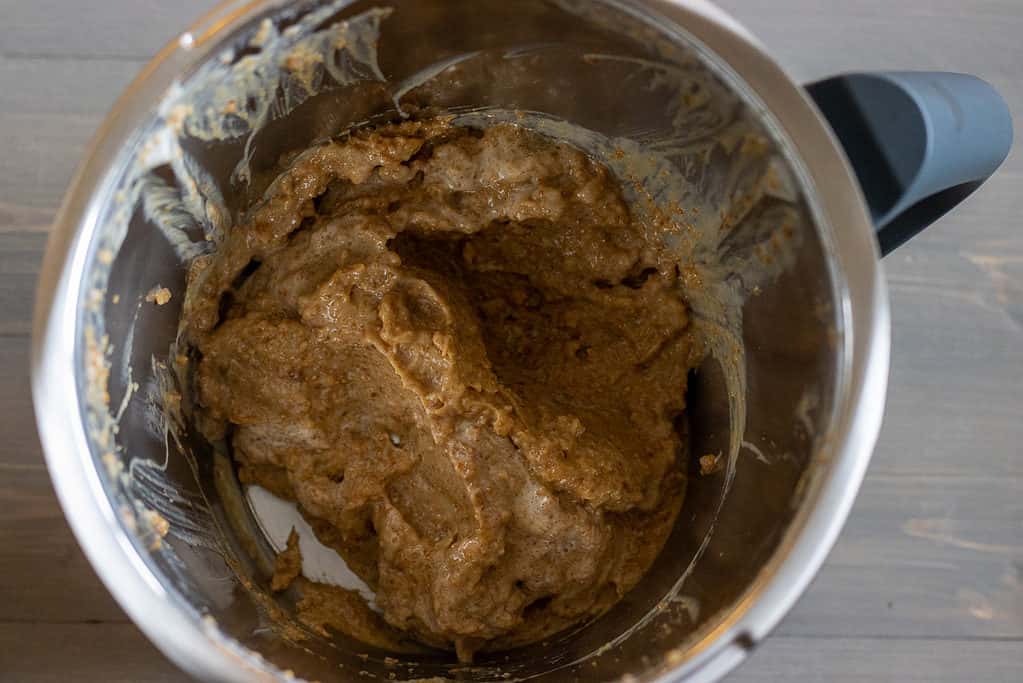
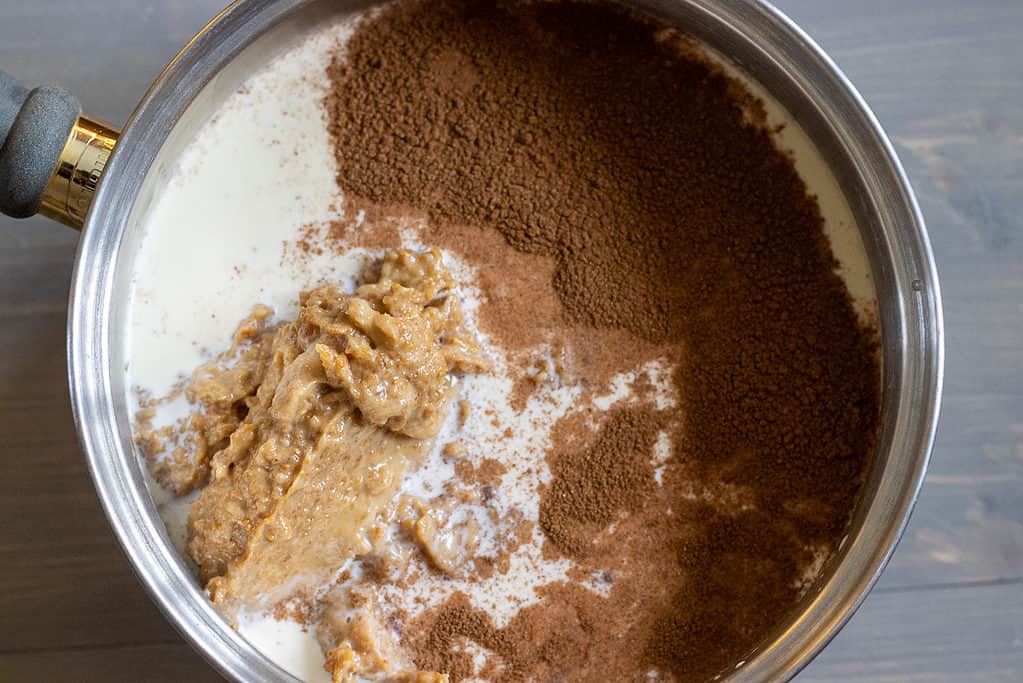
Fill four small bowls with the fig purée. Cover the bowls with a clean kitchen towel and let them rest for 3 hours at room temperature. This is the fermentation stage of the pudding.

After the fermentation, cover the bowls with plastic wrap and place them in the fridge for at least 3 hours, preferably overnight. You can serve the pudding with roughly chopped walnuts and a drizzle of grape molasses.

How Warm Should the Milk Be?
The milk should be warm, not hot. If you have made homemade yogurt or Turkish Boza Drink before, use the same idea. You should be able to dip your finger into the milk without burning yourself.
Do not boil the milk. Very hot milk can stop the pudding from setting properly. Cold milk is also not ideal, as the pudding needs gentle warmth during the first resting stage.
Why Did My Fig Pudding Not Set?
The milk may have been too hot, too cold, or the pudding may not have rested long enough.
Very dry figs can also cause problems if they are not soaked and blended properly. Make sure the figs are soft before blending, the milk is warm but not boiling, and the bowls rest at room temperature before going into the refrigerator.
The pudding should be softly set. It will not be firm like a cornstarch pudding or panna cotta.
Recipe Tips From the Chef
- Use soft, plump dried figs if you can. They blend more easily, give better flavor, and help the pudding set with a smoother texture.
- If your dried figs feel firm or dry, soak them in warm water first. This softens them enough to blend properly and stops you from ending up with hard little pieces in the pudding.
- Drain the soaked figs well before blending. Too much extra water can loosen the milk mixture and make the pudding softer than it should be.
- Warm the milk gently and don’t let it boil. It should feel warm enough for making yogurt, not hot enough to burn your finger.
- Blend the figs really well with a little warm milk before adding them back to the pan. The smoother the fig mixture is, the better the final texture will be.
- Let the bowls rest at room temperature before moving them to the refrigerator. This first resting stage is important for the pudding to set properly.
- Chill the pudding overnight if you have time. It will taste better, set more nicely, and be much easier to serve.
- Serve it cold with walnuts and grape molasses for a more traditional finish. Pistachios, cinnamon, honey, or date syrup also work well.
Can I Use Fresh Figs?
Fresh figs are not the best choice for this Turkish fig pudding.
This recipe works best with dried figs because they have a stronger flavor, more sweetness, and the right texture for blending with warm milk.
Fresh figs are better for baked fig puddings, cakes, tarts, salads, or serving with yogurt and honey.
Topping Ideas
Turkish Fig Pudding is usually served with walnuts and grape molasses.
You can also use chopped pistachios, hazelnuts, almonds, cinnamon, honey, date syrup, or maple syrup.
If your figs are already very sweet, you may not need any extra syrup on top.
Storage
Keep Turkish Fig Pudding covered in the refrigerator for up to 5 days. Plastic wrap or small containers with lids both work well.
Serve it cold straight from the refrigerator.
I don’t recommend freezing this pudding because the texture can change after thawing.
More Turkish Desserts to Try
If you enjoy simple Turkish milk desserts, you might also like Sütlaç, Tavuk Göğsü, or Keşkül. They are all different from İncir Uyutması, but they are a great way to finish a Turkish meal.
For something a little lighter or good for special occasions, Güllaç is another traditional dessert made with milk and thin starch sheets.
You can also serve this Turkish Fig Pudding alongside other no-bake Turkish sweets such as İrmik Helvası or Ayva Tatlısı if you are putting together a small dessert spread.
Recipe FAQs
No, the pudding itself does not need added sugar. The sweetness comes from the dried figs. You can add grape molasses, honey, or maple syrup on top if you want it sweeter.
"İncir Uyutması" translates as "sleeping figs". It derives from the tradition of soaking figs in warm milk overnight so that the dessert can be enjoyed the next morning for breakfast.
I don’t recommend plant-based milk for the traditional version because the pudding may not set the same way. Whole milk gives the best result.
Related Recipes
For more delicious milk pudding recipes why not try:


Did you make this recipe? Please let me know how it turned out! Leave a comment below and tag @cookingorgeous on Instagram and hashtag it #cookingorgeous.
I hope you enjoy the process of making this Turkish Fig Pudding - İncir Uyutması recipe as much as you enjoy eating it! 🙂
Want to Save This Recipe?
Enter your email & I'll send it to your inbox. Plus, get great new recipes from me every week!
By submitting this form, you consent to receive emails from Cooking Gorgeous

Turkish Fig Pudding
Ingredients
- 9 oz dried figs (250 grams)
- 4 cups milk (1 litre)
- 1 teaspoon ground cinnamon
- ¾ cup crushed walnuts (for serving, optional)
- 5-6 teaspoon grape molasses (for serving, optional)
Instructions
- Roughly chop each dried fig into about 6 pieces and soak them in warm water for an hour (or until figs are softened).
- Transfer the figs to a paper towel, leave them to drain for 10 minutes, then remove the stalks. Set them aside in a separate deep bowl.
- Heat the milk in a pan on low heat until it reaches a low simmer, being careful not to let the milk start to boil. The milk should be warm enough that you can put your finger in the pan without burning yourself. We call this level of heating "fermentation level". Turn off the heat when your milk is heated at this level.
- Then add 1 ladle of warm milk to the soaked figs and mix them into a purée using a hand-held blender. (If you don’t have a stick blender, pour the mixture into a blender and mix until smooth).
- Add the purée and one teaspoon of ground cinnamon into the milk and mix well until combined.
- Fill four small bowls with the fig purée. Cover the bowls with a towel (dish towel) and let them rest for 3 hours at room temperature. This is the fermentation stage of the pudding.
- After the fermentation, cover the bowls with plastic wrap and place them in the fridge for at least 3 hours, preferably overnight.
- You can serve the pudding with roughly chopped walnuts and a drizzle of grape molasses.
Notes
- Use soft, plump dried figs if possible. They blend more easily and give the pudding a smoother texture.
- If your dried figs are firm, soak them in warm water until they soften. This helps them blend properly with the milk.
- Drain the soaked figs well before blending. Extra water can make the pudding looser than expected.
- Remove the fig stalks after soaking and draining.
- Warm the milk gently and do not let it boil. The milk should feel warm, similar to the temperature used for making yogurt.
- If the milk is too hot, the pudding may not set properly. If it is too cold, the setting process may not start well.
- Blend the figs very well with a little warm milk before adding them back to the saucepan.
- The pudding should rest at room temperature first, then chill in the refrigerator. Both stages help the texture develop.
- Chill the pudding overnight if you have time. It gives the best flavor and texture.
- The final texture should be softly set and spoonable, not firm like cornstarch pudding or panna cotta.
- Whole milk gives the best result. I don’t recommend plant-based milk for the traditional version because it may not set the same way.
- You can replace part of the milk with heavy cream if you want a richer pudding.
- Fresh figs are not a good substitute for dried figs in this recipe.
- Walnuts and grape molasses are traditional toppings, but pistachios, hazelnuts, cinnamon, honey, date syrup, or maple syrup also work.
- Store leftovers covered in the refrigerator for up to 5 days. Do not freeze Turkish Fig Pudding.


John S. says
Really lovely! Will also try the richer version with a bit of cream.
Ayla Clulee says
So glad you liked it John! Adding a bit of cream sounds like a delicious idea—let me know how it turns out when you try it! 😊
John S. says
It was perfect! I added some double cream to get to 10% fat and the texture was great, while the pudding was still very light. I have a different question. Do you think this would work with dates rather than figs? If so, what spice would you pair dates with? I am planning to try this! Many thanks
Ayla Clulee says
Hi John,
I am so glad to hear it turned out well! Yes, dates should work just fine instead of figs. For spices, I’d suggest a pinch of ginger, cinnamon or cardamom. Nutmeg could also be nice if you want something a little more warming. Can’t wait to hear how it turns out with your twist!
Bee says
Can I use a vegetable milk (i.e. oat milk), to make this vegan?
Ayla Clulee says
Hi Bee!
I haven’t tried making it with vegetable milk, and as far as I know, it really needs to be made with full-fat goat’s milk or cow’s milk.
Suzanne says
Such a delightful and guilt free recipe!
Ayla says
I’ve been making this pudding every week for the past two months, and can’t get enough of it!