
This Turkish Manti recipe walks you through the whole process, step by step, so making these tiny hand-folded dumplings feels manageable instead of intimidating.

Manti is filled with spiced ground beef, boiled, then topped with garlic yogurt and a chili butter sauce. It takes patience to shape, but every fold is worth it once you taste the finished bowl.
Jump to:
- What is Manti - Turkish Ravioli?
- The History of Manti
- Why This Recipe Works
- Ingredients You'll Need
- How to Make Turkish Manti?
- Recipe Tips From the Chef
- Traditional Way to Serve Manti?
- Difference Between Turkish Manti and Armenian Manti
- Regional Manti Variations
- Storage Instructions
- Recipe FAQs
- Related Recipes
- Turkish Manti Recipe
What is Manti - Turkish Ravioli?
What really sets Manti apart from other stuffed dumplings is just how small each piece is pinched. There's an old saying that a skilled cook can fit forty manti onto a single spoon, a boast about how tiny and neat the folding should be. Wooden spoons used to be noticeably bigger than the metal ones most kitchens use now, which is part of why the saying has stuck around even though it's nearly impossible today.
That small size isn't just for show. With so little dough around each bit of filling, the dumplings cook through quickly and soak up the yogurt and butter sauce instead of just sitting under it, so every bite gets full flavor rather than just the top layer.
While Manti is a staple in Turkish cuisine, close relatives of the dish are found well beyond Turkey too. It's a national dish in Kazakhstan, and versions are eaten across Armenia, Georgia, Uzbekistan, Russia, and Ukraine. The filling, sauces, and toppings used in Manti can vary depending on the region, resulting in a wide range of delicious recipes.
If you'd rather see it in action, the video below walks through rolling the dough and folding the dumplings step by step.
Similar to Yaprak Sarma - Stuffed Grape Leaves, making Manti (Turkish Ravioli) can be a time-consuming task. In Turkey, traditionally the women in the house come together to make this manti dish.
When you have a few friends/family members around the table, making manti is great fun, as well as all the talk and gossip that surrounds this activity is part of the culture.
The History of Manti
Manti has roots that go back to Central Asia, where nomadic Turkic communities needed food that traveled well and kept for weeks at a time.
Small, tightly sealed dumplings did exactly that, and as people moved west along the Silk Road, the idea spread and changed hands with other cultures. That's why manti has so many close relatives around the world: jiaozi in China, mandu in Korea, pelmeni in Russia, and ravioli in Italy all share the same basic idea of a filled dough pocket.
The oldest known written Turkish recipe for it dates back to the 13th century, which shows just how long this dish has been part of the table.
Kayseri Manti, the style this recipe is based on, holds an official geographic indication in Turkey. It was registered in 2009, the first manti to earn that protection, which recognizes the tiny, tightly folded shape and technique as genuinely tied to the region. Sinop Manti earned the same protection in 2020, making it only the second manti variety in Turkey to hold that status.
Why This Recipe Works
- The dough comes together with just four ingredients and a 30-minute rest, no special equipment needed beyond a rolling pin.
- The earlobe-soft dough test takes the guesswork out of kneading, so you'll know it's ready without any trial and error.
- You can freeze a full batch of raw dumplings and cook them straight from frozen, so there's always a quick meal ready to go.
- The garlic yogurt and spiced butter sauce amounts are built right into the method, so you're not left guessing how much of each to use.
Ingredients You'll Need
Please scroll down to the recipe card below for the full ingredients list with measurements, complete recipe method, recipe notes, and nutritional information.
Ingredients for Manti Dough

- Plain flour - I use plain (all-purpose) flour here. It gives the dough enough strength to roll paper-thin without tearing.
- Salt - It increases the strength of the dough as well as the flavor.
- Egg - It helps to form strands of gluten that give the dough its structure and strength. Additionally, the egg also adds fat to the dough, which enriches it and gives it a smooth, silky finish.
Ingredients for Mince Filling

- Ground beef - I use ground beef with a %15 fat percentage but you can use lean beef if you prefer. You can substitute it with ground lamb.
- Onion - You can use white, yellow, or brown onion to add flavor to the meat filling.
- Seasoning - Adjust the amount to your taste. Replace chili with paprika if you want your filling mild.
Tomato and Yogurt Toppings

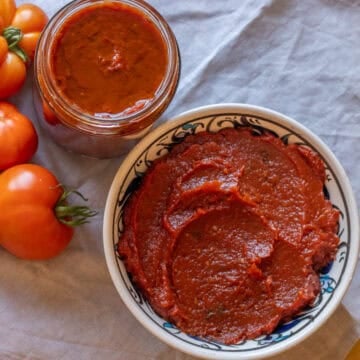
- Tomato paste - This gives the sauce its deep color and rich, savory flavor. Find it at Turkish or Middle Eastern grocers, or buy it online.
- Butter - Good quality butter or olive oil is the best way to finish this amazing Manti - Turkish Ravioli recipe!
- Yogurt - Use good quality, thick and creamy Greek or Natural Yoghurt without any flavoring.
- Garlic - Fresh garlic is a great flavoring that adds sweetness and nuttiness to dishes. 1 small garlic clove is enough for up to 500 grams of yogurt. Turn it into a paste with a Mortar and Pestle or grate it using a Microplane Zester Grater.
- Dried mint - A classic flavoring in Turkish cooking, and it works just as well in soups like Yayla Corbasi - Turkish Yogurt Soup and Turkish Lentil Soup ( Mercimek Corbasi).
- Sumac - This tangy, deep red spice is a Turkish kitchen staple, and a sprinkle on top of the finished dish adds real brightness. You'll find it in most large supermarkets or online.
This recipe yields 2 portions, but you can easily double or triple it by using the button located at the top right of the recipe card.
How to Make Turkish Manti?
Prepare the Dough
In a mixing bowl, combine the flour and salt. Add the water and egg, and knead the dough until it becomes smooth and elastic. You're aiming for a texture like your earlobe when you pinch it, soft but with a little resistance, not sticky and not stiff.

You can also use a food processor or a stand mixer to make the dough. Cover the dough with a damp towel and set aside for 30 minutes.
Prepare the Meat Filling
Because Turkish manti dumplings are traditionally very small, I suggest grating the onions instead of chopping them so they distribute evenly through the filling. In a separate bowl, mix together the ground beef (or lamb), grated onion, salt, black pepper, and chili (or paprika).

Shape the Dumplings
Divide the dough into 2 equal pieces and turn them into balls.
On a floured surface, use a thin rolling pin called an 'oklava' to roll out one of the dough balls into a circle as thin as possible, approximately 18 inches (45 cm) in diameter.
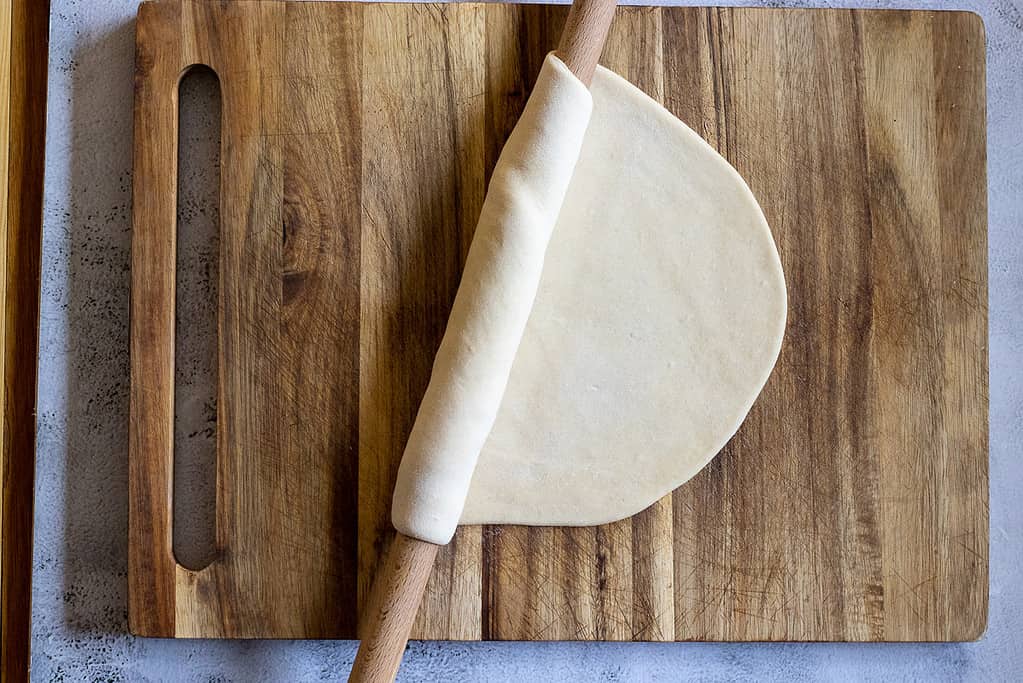
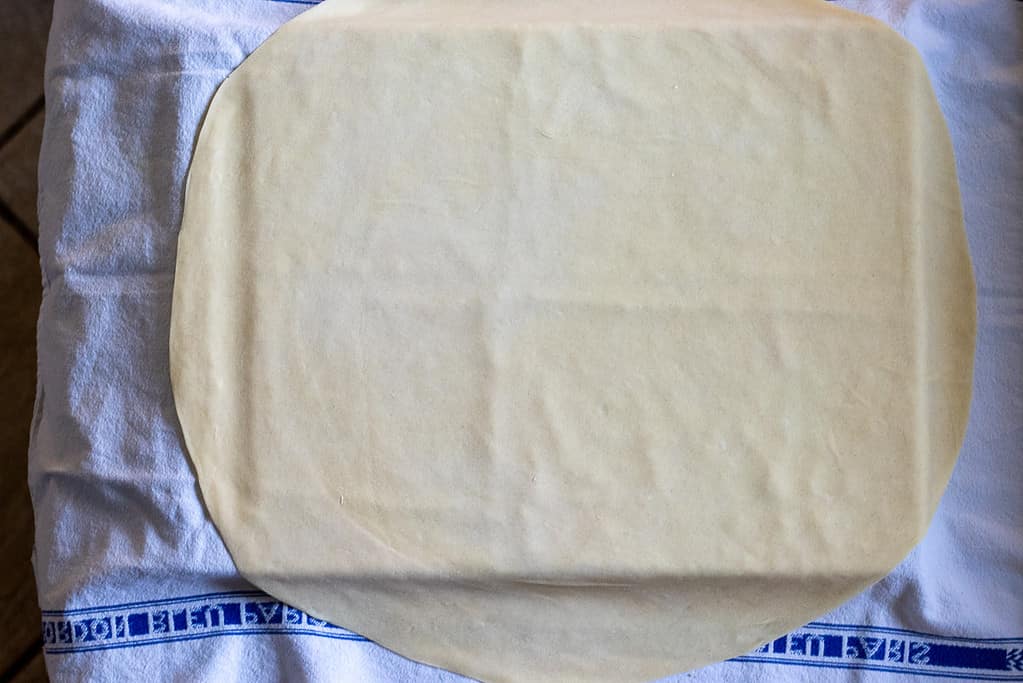
Keep the other dough ball covered to prevent it from drying out. You can roll the dough out using a pasta machine if you have one. It will make the process much quicker.
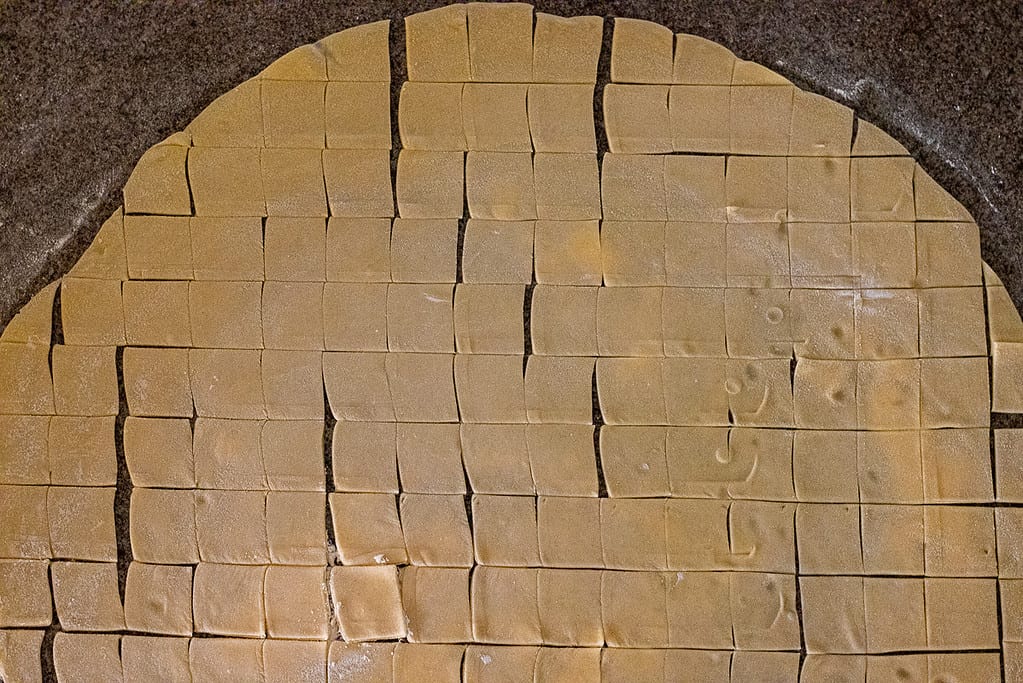
Cut the dough into 1 " (3 cm) squares using a sharp knife or a pizza cutter.
Place a small amount of the meat mixture (roughly half the size of a chickpea) in the center of each square.
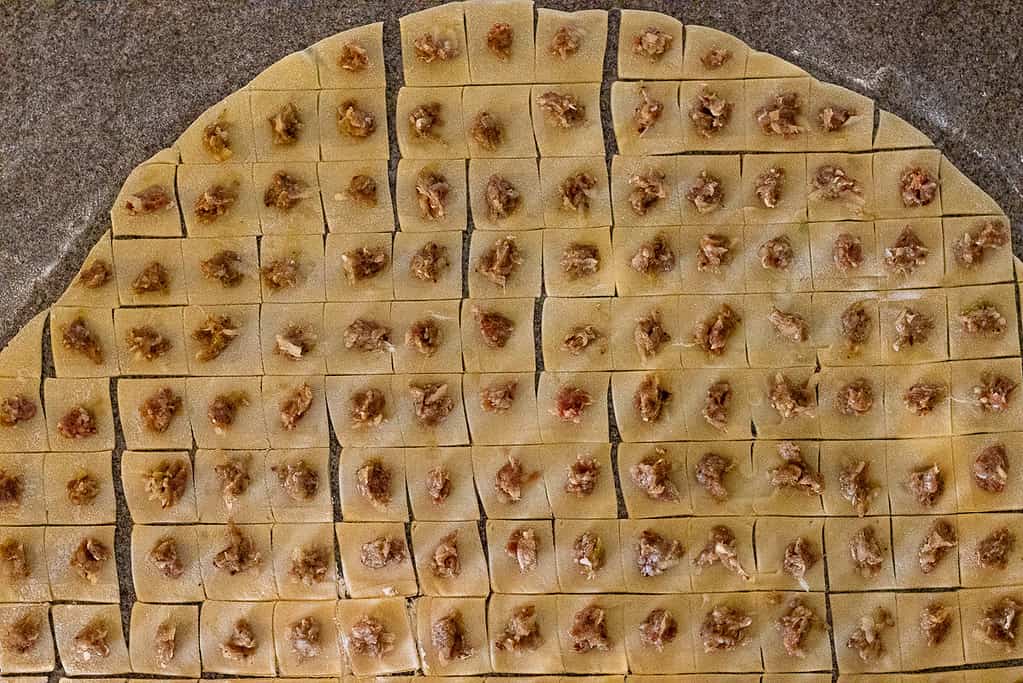
Pull up the four corners of the dough around the filling, pressing the four seams firmly between your fingers to seal them shut.


Place the dumplings on a generously floured tray or baking sheet to prevent them from sticking together.

Cook and Serve Manti
Bring a large pot of salted water to a boil over medium heat. Add the dumplings to the boiling water and cook for about 12 to 15 minutes, or until they float to the surface.

In a small saucepan, melt the butter and stir in the tomato paste, chili, sumac, and dried mint.

To loosen the sauce, add 100 ml of water and cook for 1-2 more minutes, stirring occasionally. In a separate bowl, mix together yogurt, garlic paste, and a pinch of salt.
When serving the Manti, pour some yogurt over the dumplings and drizzle a generous amount of tomato sauce on top just before serving.

Sprinkle with additional sumac and dried mint for extra flavor.
Recipe Tips From the Chef
- To achieve the perfect thinness and evenness, roll the dough using a thin rolling pin called an 'oklava' or a pasta machine.
- Grate the onions instead of chopping them so they distribute evenly through the filling.
- Use ground beef or lamb with a good fat content so the filling stays juicy and full of flavor.
- Place the dumplings on a generously floured tray or baking sheet to prevent them from sticking together.
- Cook the dumplings in a large pot filled with plenty of boiling, salted water. A drop of oil in the water helps keep the delicate dumplings from sticking together, just like cooking pasta.
- The sauce carries most of the flavor in this dish, so take an extra minute to get the butter, tomato paste, and spices right rather than rushing that step.
Traditional Way to Serve Manti?
Similar to Kıymalı Makarna - Turkish Pasta with Ground Beef, Manti is traditionally served with a yogurt sauce and a tomato and butter sauce. The dumplings are topped with sauces and sprinkled with sumac and dried mint for added flavor.
You can also serve Manti with a simple salad such as Arugula Spinach Salad or some Pickled Cucumber - Salatalık Turşusu!
Difference Between Turkish Manti and Armenian Manti
Manti, also known as mantu, is a popular dish in both Turkish and Armenian cuisine. While both versions of the dish share similarities, there are distinct differences that set them apart.
For example, Armenian manti are typically open-faced and boat-shaped, while Turkish manti are closed dumplings. Additionally, Armenian manti are baked until golden, whereas Turkish manti are boiled in water.
The serving methods also differ, as Armenian manti are typically served in a broth with garlic yogurt, while Turkish manti are served with a drizzle of chili butter sauce and garlic yogurt.
Finally, both variations can be enhanced with extra spices such as sumac, red pepper flakes, or dried mint to further elevate the dish's flavor.
Regional Manti Variations
Kayseri, where this recipe comes from, actually has several manti of its own. The classic etli manti (with meat) is what most people picture, but there's also yağ mantısı, which is fried instead of boiled, tepsi mantısı, baked in a tray with the sauce poured over partway through cooking, çerkez mantısı, folded into triangles around a potato filling, and peynirli manti, filled with a firm cheese instead of meat.
Other regions fold and serve it differently too. Sinop manti is larger and triangular, and it's served on a plate split in half, garlic yogurt on one side and crushed walnuts with hot butter on the other, kept separate rather than mixed together. Nevşehir manti uses a chickpea filling and is folded the same triangular way. Bodrum manti skips the boiling step entirely, since it's fried in an unleavened dough until crisp.
Manti also works well without meat. For a lentil filling that holds together like the meat version, simmer the lentils until just barely firm, then pulse them briefly in a food processor rather than mashing them smooth. Well-drained mashed potato or sautéed mushrooms work well too, and a dairy-free yogurt makes the dish fully vegan. The dough itself is naturally egg-optional, so you can leave it out and add a touch more water instead.
Storage Instructions
Once cooked, Manti is best eaten fresh, but leftovers keep in an airtight container in the fridge for up to 3 days. Reheat gently with a splash of water or extra sauce so the dumplings don't dry out.
You can make manti dumplings and freeze them for up to 3 months. After assembling the Manti dumplings, place them on a baking sheet lined with parchment paper or a silicone mat. Make sure the dumplings are not touching each other.
Place the baking sheet in the freezer and freeze the Manti for a few hours until they are firm. Once the Manti dumplings are frozen, transfer them to an airtight container or a freezer bag. It helps to split them into smaller bags of about 125g, roughly one serving, so you can grab just what you need without thawing the whole batch.
When you're ready to cook them, there's no need to thaw first. Drop the frozen dumplings straight into boiling water and add a few extra minutes to the cooking time, until they float and are tender.
Recipe FAQs
Making Manti can be a time-consuming process, as the dough needs to be rolled out thinly and the dumplings need to be filled and pinched together.
The cooking process also takes about 12-15 minutes.
Allow about 1-2 hours to prepare and cook Manti from start to finish.
They're related but not identical. Manti is rolled thinner, cut into much smaller squares, and traditionally served with garlic yogurt and a spiced butter sauce instead of a tomato or cream sauce. Ravioli dough usually contains more egg and is cut into larger pieces.
Sumac adds a tart, citrusy note that's hard to copy exactly, but a little lemon zest or a light squeeze of lemon juice over the finished dish gets you close. Leaving it out entirely is fine too, the dish will just be a touch less tangy.
In most of Turkey it's served as a main course with just enough sauce and yogurt to coat the dumplings. In Kayseri, some versions are made with more broth and eaten more like a soup, usually as a starter before the main meal.
The dough relies on gluten for its stretch, so a straight swap to gluten-free flour will give a more delicate, tighter dough that's harder to roll thin and more likely to tear. A good 1:1 gluten-free blend can work if you handle the dough gently, but expect a slightly different texture than the original.
Related Recipes
For more delicious traditional Turkish recipes why not try:


Did you make this recipe? Please let me know how it turned out! Leave a comment below and tag @cookingorgeous on Instagram and hashtag it #cookingorgeous.
I hope you enjoy the process of making this unique and delicious Manti Dumplings- Turkish Ravioli Recipe as much as you enjoy eating it! 🙂
Want to Save This Recipe?
Enter your email & I'll send it to your inbox. Plus, get great new recipes from me every week!
By submitting this form, you consent to receive emails from Cooking Gorgeous

Turkish Manti Recipe
Ingredients
For the Manti Dough
- 1⅔ cups plain flour (200 grams)
- 1 medium egg
- 1 teaspoon salt
- ⅓ cup water (80 ml)
For the Filling
- 4½ oz ground beef (125 grams)
- 1 small onion (grated)
- ½ teaspoon salt
- ¼ teaspoon freshly ground black pepper
- ¼ teaspoon chili
For the Tomato Sauce
- ¼ stick butter (30 grams)
- 1 tablespoon tomato paste
- ¼ teaspoon chili (optional)
- ½ teaspoon sumac
- 1 teaspoon dried mint
- ½ cup water
For the Yogurt Sauce
- 1 cup Greek yogurt or plain natural yogurt
- 1 clove garlic (minced)
- pinch of salt
Instructions
Prepare the Dough
- In a mixing bowl, combine the flour and salt.
- Add the water and egg, and knead the dough until it becomes smooth and elastic.
- You can also use a food processor or a stand mixer to make the dough.
- Cover the dough with a damp towel and set aside for 30 minutes.
Prepare the Meat Filling
- Because Turkish manti dumplings are traditionally very small in size, I suggest you grate the onions instead of chopping them to ensure they are evenly distributed in the filling.
- In a separate bowl, mix together the ground beef (or lamb), grated onion, salt, black pepper, and chili (or paprika).
Shape the Dumplings
- Divide the dough into 2 equal pieces and turn them into balls.
- On a floured surface, roll out one of the dough balls into a circle as thin as you can, approximately 18 " (45 cm) in diameter. Keep the other dough ball covered to prevent it from drying out.
- You can roll the dough out using a pasta machine if you have one. It will make the process much quicker.
- Cut the dough into 1 " (3 cm) squares using a sharp knife or a pizza cutter.
- Place a small amount of the meat mixture (roughly half the size of a chickpea) in the center of each square.
- Pull up the four corners of the dough around the filling, pressing the four seams firmly between your fingers to seal them shut.
- Place the dumplings on a generously floured baking sheet to prevent them from sticking together.
Cook and Serve Manti
- Bring a large pot of salted water to a boil over medium heat.
- Add the dumplings to the boiling water and cook for about 12-15 minutes, or until they float to the surface.
- In a small saucepan, melt the butter and stir in the tomato paste, chili, sumac, and dried mint.
- To loosen the sauce, add ½ cup (100 ml) of water and cook for 1-2 more minutes, stirring occasionally.
- In a separate bowl, mix together yogurt, garlic paste, and a pinch of salt.
- When serving the Manti, pour some yogurt over the dumplings and drizzle a generous amount of tomato sauce on top just before serving.
- Sprinkle with additional sumac and dried mint for extra flavor.
Video
Notes
- To achieve the desired thinness and evenness, roll the dough using a thin rolling pin called an oklava or a pasta machine.
- The dough should feel like your earlobe when you pinch it, soft with a little resistance, not sticky and not stiff.
- Grate the onions instead of chopping them so they distribute evenly in the filling.
- Use ground beef or lamb with a good fat content so the filling stays juicy and full of flavor.
- Place the dumplings on a generously floured tray or baking sheet to prevent them from sticking together.
- Cook in plenty of boiling, salted water with a drop of oil added, this stops the dumplings sticking together.
- The sauce carries most of the flavor in this dish, so take the time to get the butter, tomato paste, and spices right.
- To store: keep cooked Manti in an airtight container in the fridge for up to 3 days.
- To freeze: freeze the raw, assembled dumplings on a tray until firm, then split them into smaller bags of about 125g (roughly one serving) each and transfer to the freezer for up to 3 months. You can cook them straight from frozen, no need to thaw, just add a few extra minutes to the boiling time.
- No sumac on hand? A little lemon zest or a squeeze of lemon juice gets you close to the same tartness.
- For gluten-free: a 1:1 gluten-free flour blend can work if you handle the dough gently, though the texture will be a little more delicate.
- For vegetarian or vegan: for a lentil filling, simmer the lentils until just barely firm and pulse briefly in a food processor rather than mashing smooth. Well-drained mashed potato or sautéed mushrooms work too, and a dairy-free yogurt makes the dish fully vegan.
- This recipe yields 2 portions, but you can easily double or triple it by using the button located at the top right of the recipe card.


Kim says
hi There, love the sound of these Manti. Should the Manti by fully enclosed in the pasta dough all 4 corners sealed fully?
Just I noticed that most of yours were not, yet the instructions say to fully enclose.
Ayla Clulee says
Hi, thank you for your message. Yes, the manti should be fully enclosed with all four corners sealed. All of mine are sealed properly. If any look slightly open, it could be the angle in the photos or video, but they are all closed. I really appreciate you checking.
Terrie says
Do you think freezing the freshly rolled and stuffed dumplings would be alright? Thank you!
Ayla Clulee says
Hi Terrie, thank you for reaching out!
You can freeze the dumplings before cooking. The instructions are on the blog post: 'You can make manti dumplings and freeze them for up to 3 months. After assembling the Manti dumplings, place them on a baking sheet lined with parchment paper or a silicone mat. Make sure the dumplings are not touching each other. Place the baking sheet in the freezer and freeze the Manti for a few hours until they are firm. Once the Manti dumplings are frozen, transfer them to an airtight container or a freezer bag.'
Hope this helps.
Ayla
Recipe land says
Thanks for sharing this recipe
Easy to follow
I will definitely try
Ayla Clulee says
My pleasure! Hope you enjoy it 🙂
Best wishes
Ayla
Sarah says
These looks exactly how I remember from my Turkey trip! I will definitely give this recipe a go, thank you for sharing !
Ayla Clulee says
I am so pleased to hear that Sarah! Hope you enjoy them 🙂
Best wishes
Ayla x