
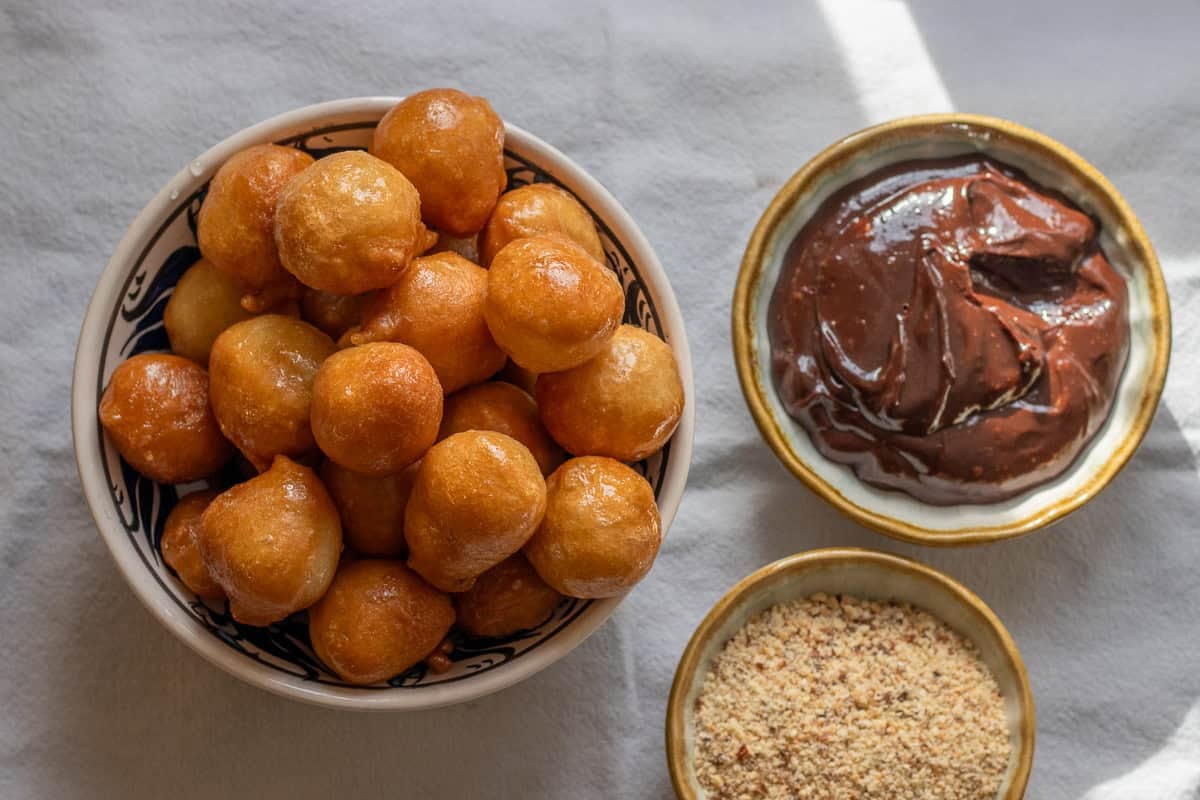
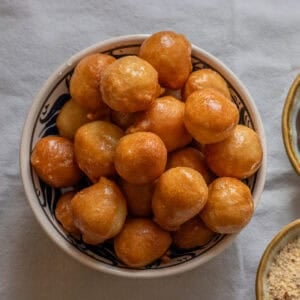
Lokma Dessert, or Fried Sweet Dough Balls, is made with a simple yeast dough that’s deep-fried until golden and crisp, then coated in syrup or honey. These little bites are light, airy, and just a little sticky-sweet in the best way. With only a handful of pantry ingredients and some resting time for the dough, you can make this classic treat at home and enjoy it warm and fresh.
Jump to:
What is Lokma?
Lokma is a traditional fried dessert made from yeast dough that’s dropped into hot oil, fried until golden, and then coated with a sweet syrup. The word “lokma” translates to “bite” or “morsel” in Turkish, which fits perfectly since these treats are typically small, round, and eaten in just a few bites.
This dessert isn’t exclusive to Turkey, and it appears in different forms across the Middle East, the Balkans, and even parts of the Mediterranean. In Greece, they’re known as loukoumades. In Egypt, they’re called loqmat al-qadi, which means “judge’s bite.”
Ingredients You'll Need
Please scroll down to the recipe card below for the full ingredients list with measurements, complete recipe method, recipe notes, and nutritional information.
Ingredients For the Dough
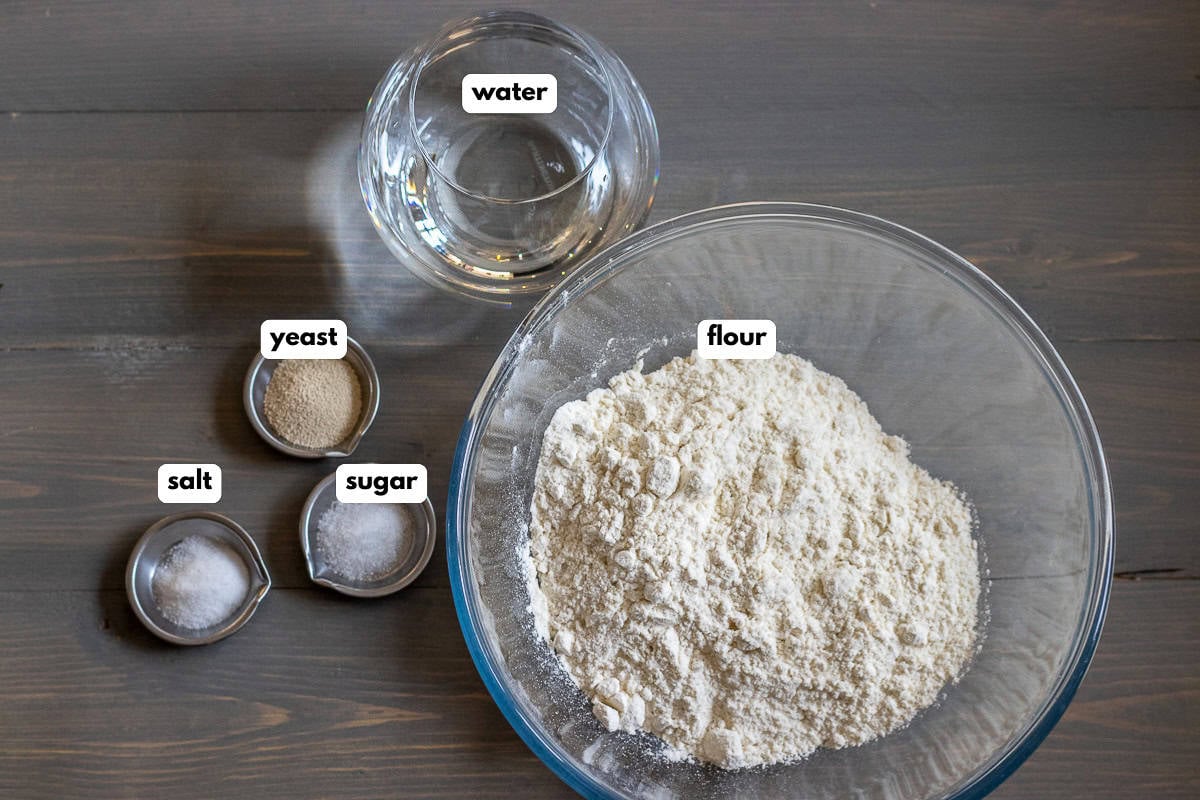
- Flour - All-purpose flour works best, giving the dough the right balance of lightness and structure.
- Yeast - Instant or active dry yeast is used to help the dough rise and puff up during frying.
- Sugar - A small amount of caster sugar goes into the dough to feed the yeast, but most of the sweetness comes from the syrup.
- Salt - just enough to balance flavors.
Ingredients For the Syrup

The syrup is traditionally made from sugar (caster or granulated), water, and a splash of lemon juice. Some versions use honey instead.
How to Make Lokma Dessert - Fried Sweet Dough Balls
Start by dissolving yeast in warm water with a little sugar. Once it begins to foam, mix it with flour and salt to form a sticky dough. Unlike bread dough, you don’t need to knead it heavily, just enough to combine. The dough should be soft, elastic, and sticky to the touch.
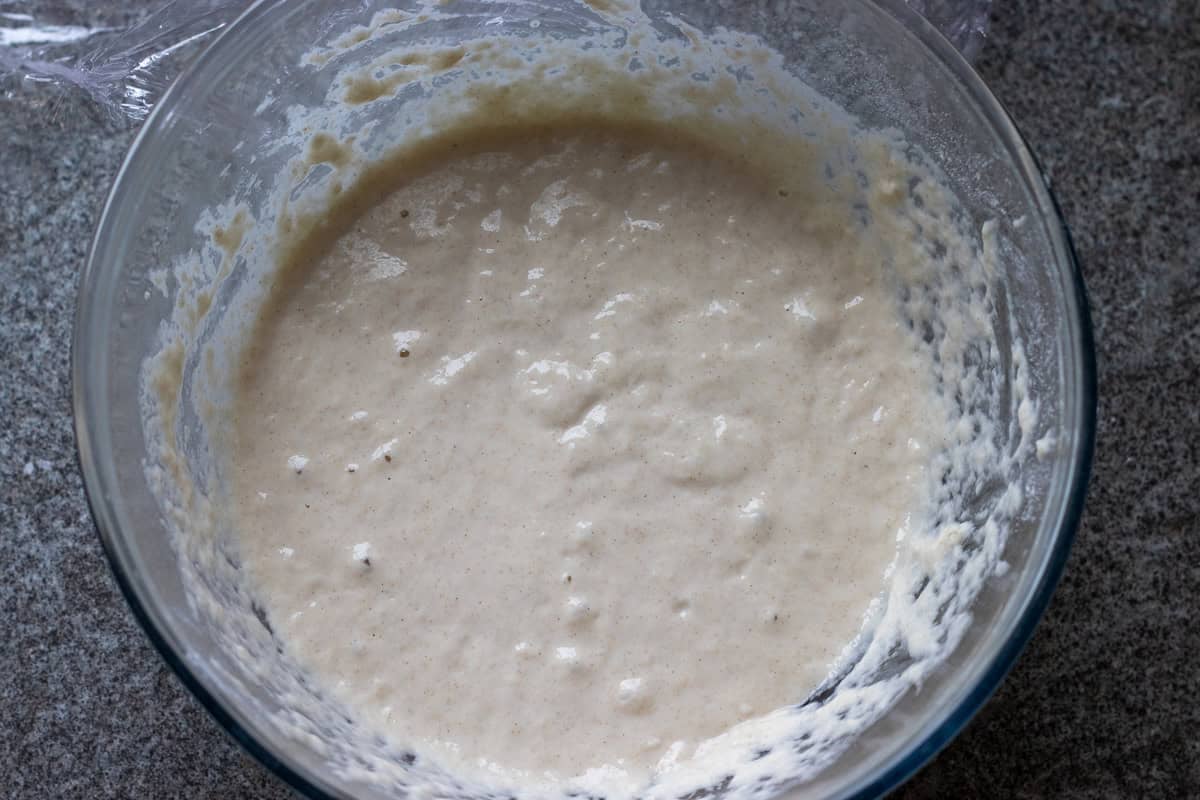
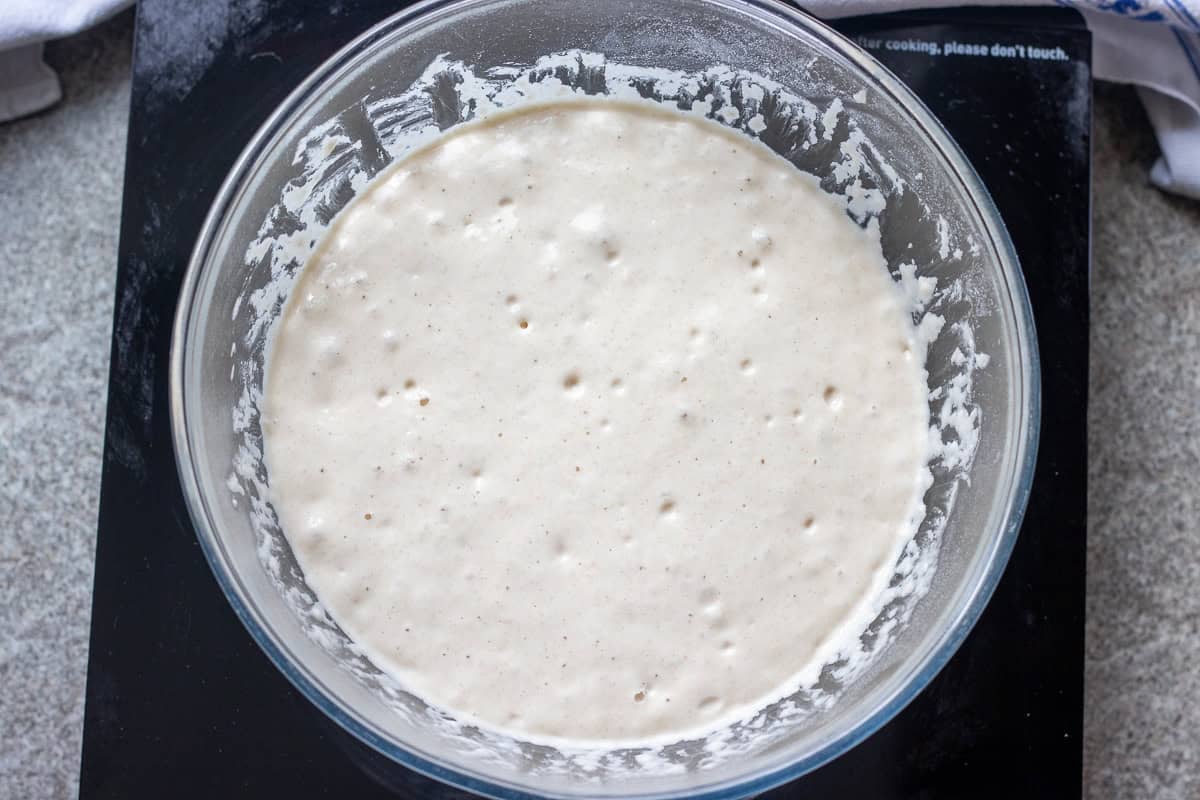
Cover the bowl with a towel and let the dough rest for about 1–2 hours in a warm spot until it doubles in size. Patience here is key, and the time depends on the temperature of the room. A well-risen dough makes for airy, fluffy lokma.
While the dough rises, prepare the syrup by simmering sugar, water, and lemon juice until slightly thickened, for about 15 minutes. Cool it completely before using to ensure the hot lokma soaks up the syrup instantly.

Choose a deep pot and heat the oil to around 350°F (175°C). Keeping the temperature steady is important, too hot and the lokma will brown too quickly without cooking through, too low and they’ll absorb too much oil. Traditionally, the dough is scooped with a spoon dipped in oil or squeezed through your hand into the oil in small portions. You can also use a piping bag or a small cookie scoop for ease.
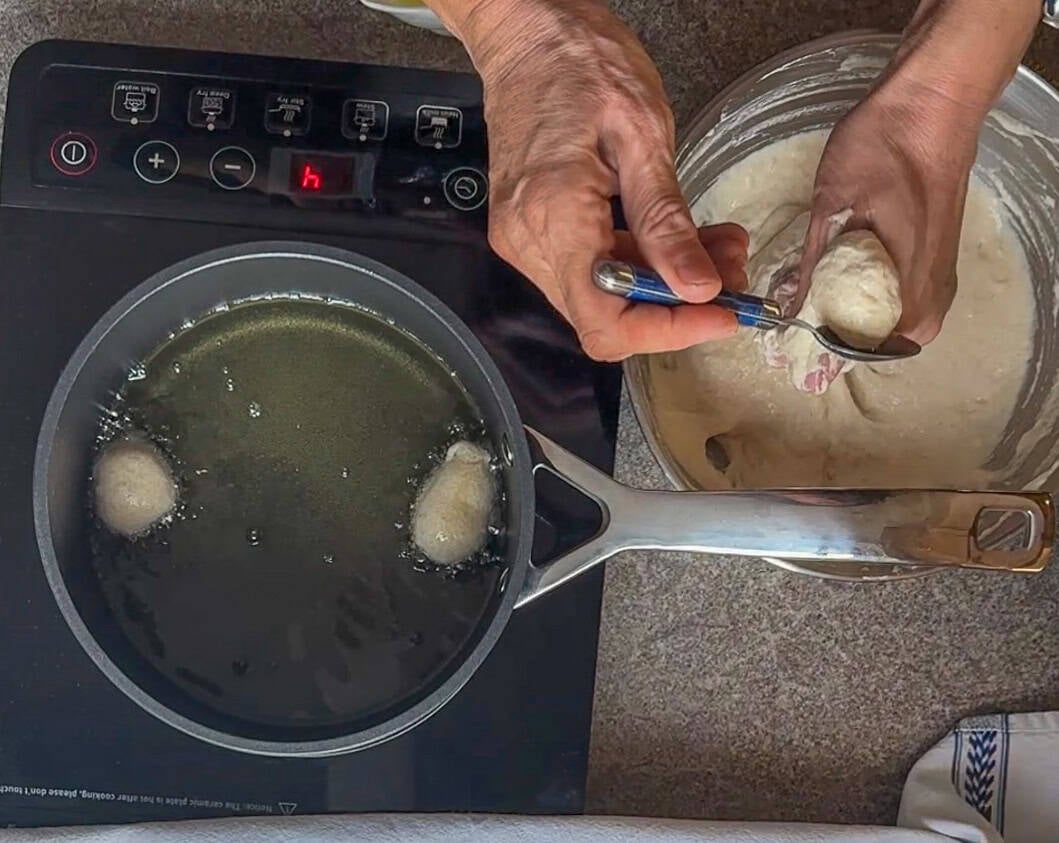
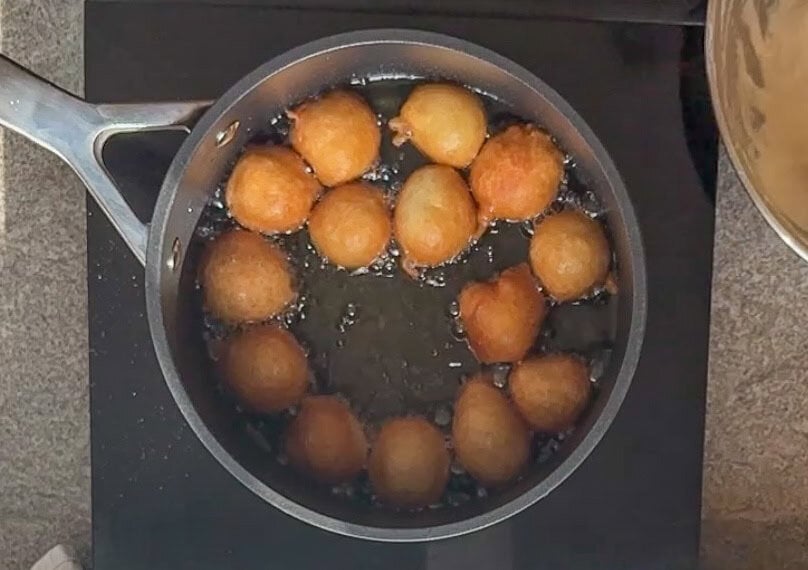
Fry until golden brown on all sides, flipping occasionally to ensure even cooking.
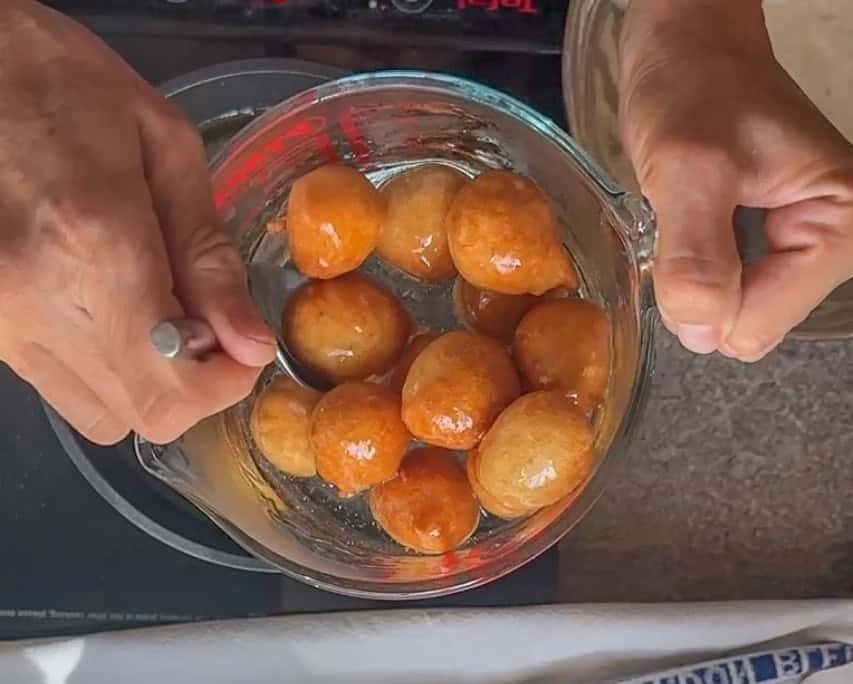
As soon as the lokma are drained from the oil, toss them into the cooled syrup. Let them soak briefly, then remove to a serving plate.
You can also drizzle honey over them instead of syrup if you prefer a lighter sweetness. Traditionally, lokma are topped with a generous sprinkle of cinnamon before serving. We like to switch it up by serving them with chocolate sauce for dipping, which gives this classic dessert a modern twist.

Recipe Tips From the Chef
- The consistency of the dough should be sticky. Don’t be tempted to add too much flour; a wetter dough gives softer, fluffier results.
- The temperature of the oil is important. Use a thermometer if possible. Around 350°F is ideal for crisp outsides and soft insides.
- Keep the dough balls similar in size so they cook evenly.
- Work in batches; fry a few at a time to avoid overcrowding the pot, which lowers the oil temperature.
- Always cool the syrup before tossing the hot lokma in. This contrast makes them soak up flavor beautifully.
- Serve lokma dessert freshly. They are at their very best right after frying. They lose crispness as they sit, so make them just before serving.
Variations Across Regions
One of the fascinating things about lokma is how many variations exist:
- Greek Loukoumades - Often flavored with cinnamon and honey, sometimes sprinkled with sesame seeds.
- Egyptian Loqmat al-Qadi - Similar style, often smaller in size and sometimes flavored with rose water.
- Persian Bamieh - Shaped differently (often ridged) similar way to Tulumba Tatlisi - Turkish Fried Dough Dessert, but made with similar dough and syrup.
- Modern Takes - Cafes now serve lokma stuffed with cream, chocolate, or fruit fillings for a more indulgent version.
Serving Ideas
Lokma are delicious on their own, but you can get creative with how you serve them:
- Classic Style: Tossed in syrup and sprinkled with cinnamon.
- Honey Drizzle: Replace syrup with a drizzle of honey for a lighter option.
- Nut Topping: Garnish with crushed pistachios, walnuts, or almonds for texture and flavor.
- Chocolate: Drizzle with melted chocolate or Nutella for a modern twist.
- With Ice Cream: Serve warm lokma alongside a scoop of vanilla or pistachio ice cream for a decadent treat.
- Festive Style: Dust with powdered sugar and cinnamon for holiday gatherings.
Storing the Leftovers
Lokma dessert is best when served freshly made. If you have any leftovers, you can keep them in an airtight container at room temperature for up to a day. Beyond that, they lose their texture. For longer storage, you can keep them in the freezer in an airtight container for up to 3 months.
Recipe FAQs
Yes. You can prepare the dough a few hours ahead and keep it covered in the fridge. Let it come back to room temperature before frying.
A neutral oil, like sunflower, canola, or vegetable oil, is best. Avoid strong-flavoured oils like olive oil.
This usually happens if the dough hasn’t risen enough or if too much flour was added. Make sure to allow enough rising time and keep the dough sticky.
They are essentially the same dessert with regional variations. Loukoumades often use honey and cinnamon, while Turkish lokma is usually served with syrup.
Related Recipes
For more delicious syrup-soaked Middle Eastern dessert recipes, why not try:


Did you make this recipe? Please let me know how it turned out! Leave a comment below and tag @cookingorgeous on Instagram and hashtag it #cookingorgeous.
I hope you enjoy the process of making this delicious and indulgent Lokma Dessert - Fried Sweet Dough Balls as much as you enjoy eating it! 🙂
Bon appétit! / Afiyet olsun!
Want to Save This Recipe?
Enter your email & I'll send it to your inbox. Plus, get great new recipes from me every week!
By submitting this form, you consent to receive emails from Cooking Gorgeous
Lokma Dessert - Fried Sweet Dough Balls
Equipment
- 1 kitchen scale
- 1 measuring spoons
- 1 Measuring cups
Ingredients
- 235 ml water
- 250 g plain flour
- 3 g fast action dry yeast
- ½ teaspoon salt
- 1 teaspoon sugar
- oil for frying
For the Syrup
- 250 g caster or granulated sugar
- 260 ml water
- 4 drops freshly squeezed lemon juice
For Garnish
- 1 teaspoon cinnamon powder (optional)
- 1 cup chocolate sauce (optional)
- 2 tablespoon chopped nuts (optional)
Instructions
- Start by dissolving yeast in warm water with a little sugar. Once it begins to foam, mix it with flour and salt to form a sticky dough.
- Unlike bread dough, you don’t need to knead it heavily, just enough to combine. The dough should be soft, elastic, and sticky to the touch.
- Cover the bowl with a towel and let the dough rest for about 1–2 hours in a warm spot until it doubles in size. Patience here is key, and the time depends on the temperature of the room. A well-risen dough makes for airy, fluffy lokma.
- While the dough rises, prepare the syrup by simmering sugar, water, and lemon juice until slightly thickened, for about 15 minutes.
- Cool it completely before using to ensure the hot lokma soaks up the syrup instantly.
- Choose a deep pot and heat the oil to around 350°F (175°C). Keeping the temperature steady is important; too hot and the lokma will brown too quickly without cooking through, too low and they’ll absorb too much oil.
- Traditionally, the dough is scooped with a spoon or squeezed through your hand into the oil in small portions. You can also use a piping bag for ease.
- Fry until golden brown on all sides, flipping occasionally to ensure even cooking.
- As soon as the lokma are drained from the oil, toss them into the cooled syrup.
- Let them soak briefly, then remove to a serving plate. You can also drizzle honey over them instead of syrup if you prefer a lighter sweetness.
- Traditionally, lokma are topped with a generous sprinkle of cinnamon before serving. We like to switch it up by serving them with chocolate sauce for dipping, which gives this classic dessert a modern twist.
Video
Notes
- The consistency of the dough should be sticky. Don’t be tempted to add too much flour; a wetter dough gives softer, fluffier results.
- The temperature of the oil is important. Use a if possible. Around 350°F is ideal for crisp outsides and soft insides.
- Keep the dough balls similar in size so they cook evenly.
- Work in batches; fry a few at a time to avoid overcrowding the pot, which lowers the oil temperature.
- Always cool the syrup before tossing the hot lokma in. This contrast makes them soak up flavor beautifully.
- Serve lokma dessert freshly. They are at their very best right after frying. They lose crispness as they sit, so make them just before serving.

Suzanne says
These little fried dough bites were crispy and sweet. Really fun to make and eat.