
Berliner are soft and light German Donuts filled with jam and dusted with powdered sugar. You need a few simple ingredients and about two hours, most of it rising time. I've written every step out with timings, so the frying is nothing to worry about.

Jump to:
- What is Berliner - German Jam Donuts?
- Other Regional Names for Berliner
- Why You'll Love This Recipe
- Ingredients You'll Need
- How to Make Berliner - German Jam Donuts
- Recipe Tips From the Chef
- Recipe Variations
- Serving Suggestions
- Storage, Reheating and Make Ahead
- Troubleshooting
- Recipe FAQS
- Related Recipes
- Berliner Recipe - German Jam Donuts
They're among the most popular pastries in Germany, and you can easily find them in bakeries all across the country. In Bavaria they're called Krapfen, and in Berlin itself they're Pfannkuchen.
Eat them the day you make them, still a little warm. Have them for breakfast, as a snack, or for dessert. They aren't overly sweet, so one is never quite enough.
There's a short video in the recipe card below if you'd rather watch the shaping and frying than read it.
What is Berliner - German Jam Donuts?
Berliner, or Berliner Pfannkuchen to give them their full name, are round German donuts with no hole in the middle. The dough is soft, lightly sweet and enriched with butter and eggs. A few minutes in hot oil is all they need.
The jam goes in after frying, piped through a small hole in the side. Raspberry, strawberry and apricot are the usual choices, and they get a dusting of powdered sugar once they're filled.
Germans eat them at Carnival and on New Year's Eve, but you'll find them in any bakery the rest of the year too.

Other Regional Names for Berliner
Germans don't agree on what to call them. Here's who says what.
- Berliner - Used across northern and western Germany, Baden-Württemberg, Mecklenburg and Switzerland. Short for Berliner Pfannkuchen.
- Pfannkuchen - What they're called in Berlin itself and across eastern Germany. Confusingly, in Berlin a flat pancake is called an Eierkuchen instead.
- Krapfen - Bavaria, Austria and South Tyrol, where they're also called Faschingskrapfen. You'll hear it around Hanover too.
- Kräppel - Hesse and Rhenish Hesse. Often written Kreppel, though Kräppel is the older spelling.
- Fastnachtsküchle - Historically used in Swabia and Alsace, though it has largely fallen out of everyday use.
- Puffel - Aachen has its own word for them.

A German reader saw these on Facebook and told me they looked like the real thing. I've been quietly pleased about it ever since.
Why You'll Love This Recipe
- The dough is made with egg yolks and butter rather than whole eggs, so it fries up rich and light.
- The last half hour of the second rise is uncovered, which dries the surface just enough to keep the oil out.
- Frying at 165°C cooks them through in about two minutes without the outside going too dark.
- Filling them yourself at the end means you choose what goes in. Jam is traditional, and chocolate or custard both work.
Ingredients You'll Need
Please scroll down to the recipe card below for the full ingredients list with measurements, complete recipe method, recipe notes, and nutritional information.

- Flour - Plain (all-purpose) flour is what German bakeries use for these, and it gives a lighter, more tender crumb. Bread flour works too, though the extra gluten makes them chewier and a little more bread-like.
- Butter - Use unsalted butter softened at room temperature for the best results. Make sure the butter is soft enough to knead into the dough but not melted.
- Yeast - You can use fast-action dry yeast, instant yeast, or fresh yeast. If using fresh yeast, use 15 grams and mix it with warm water & sugar and let it develop for 10 minutes before mixing it with the rest of the ingredients.
- Milk - I prefer whole milk, but low-fat milk would also work with this recipe. Avoid using skimmed milk, and make sure it's lukewarm before adding it to the dough!
- Jam - The typical filling for these German donuts is red jam, such as cherry, strawberry, or raspberry jam. Any jam you have in the cupboard will do, and my Strawberry and Rhubarb Jam works well in them. Warm the jam before filling the piping bag to make it easier to pipe.
How to Make Berliner - German Jam Donuts
Prepare the Sweet Yeast Dough
In a mixing bowl, combine the lukewarm milk and dry yeast. Let it sit for a few minutes until it becomes frothy. Transfer the yeast mixture to a stand mixer bowl fitted with a dough hook attachment.
Add the sugar, vanilla bean paste, flour, salt, and vinegar to the yeast mixture in the stand mixer bowl.
Mix on low speed until a dough forms.
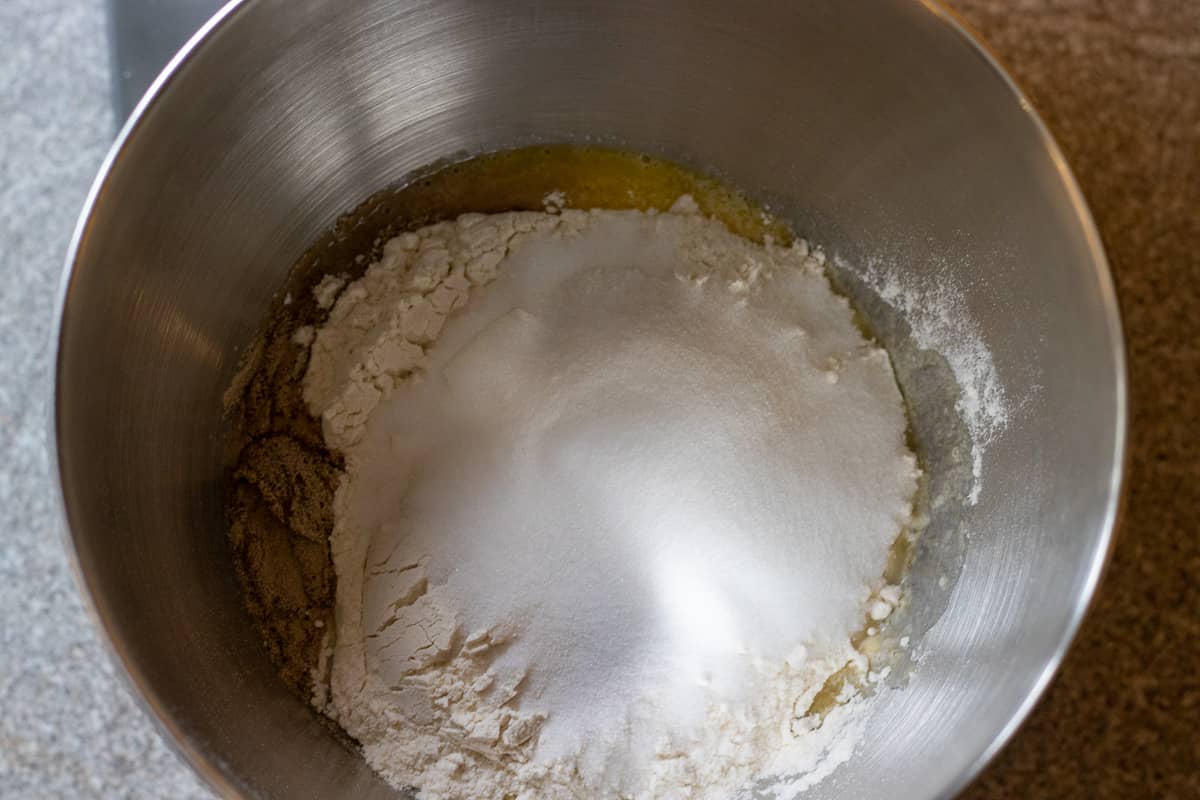

Add the egg yolks and mix again until they're fully incorporated.
Once the dough has come together, add the softened butter in very small portions piece by piece, and let it incorporate into the dough before adding more.
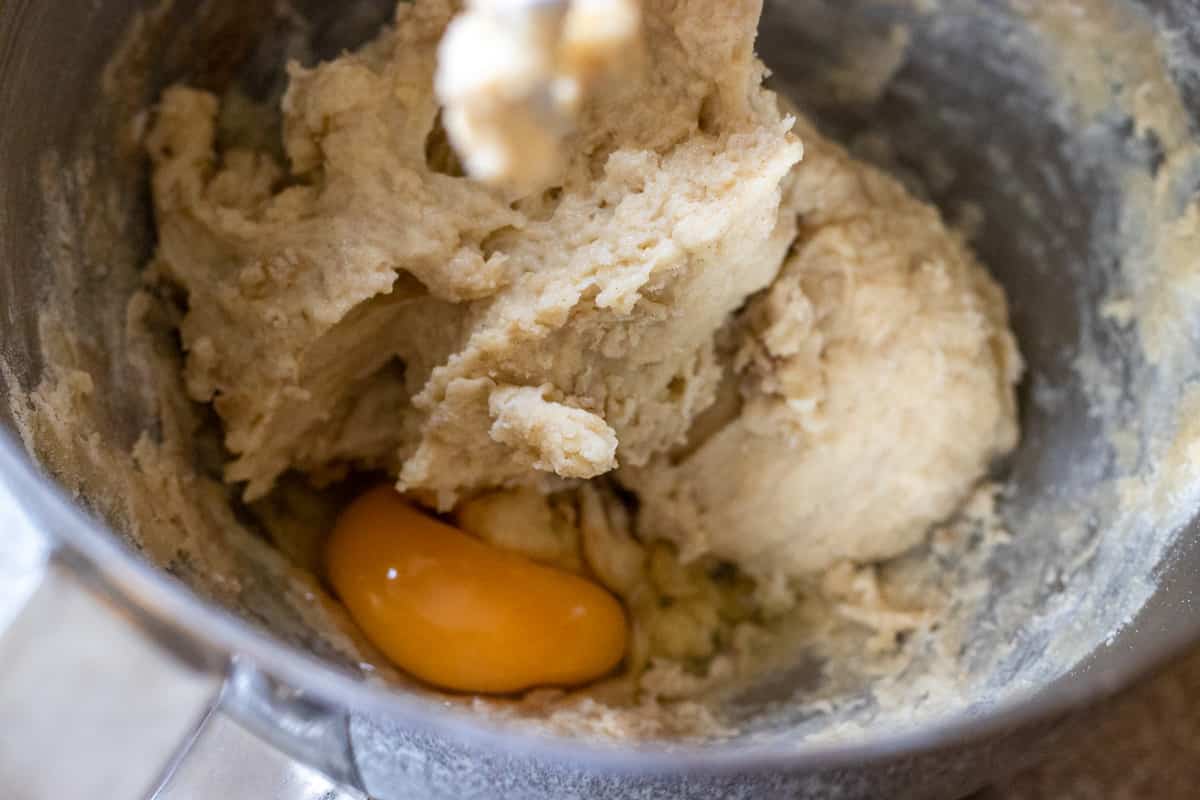
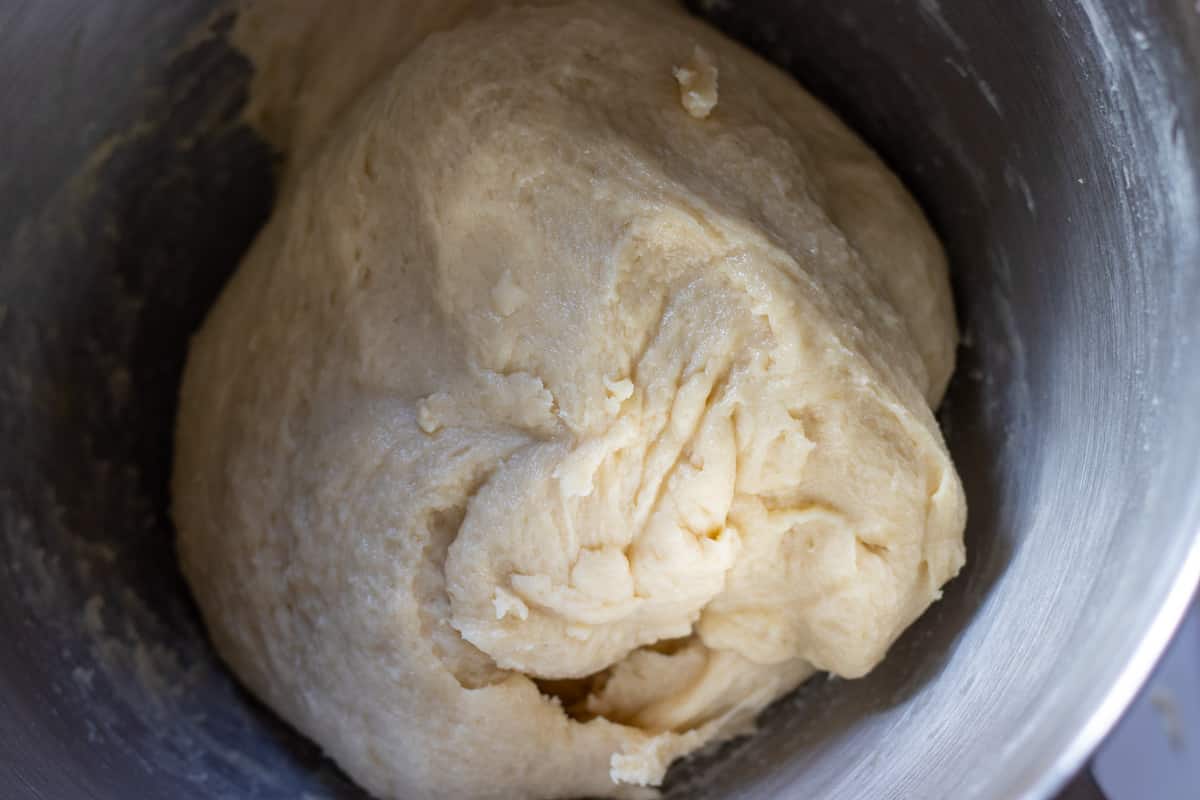
Let the mixer knead the dough for 8 to 10 minutes until it is smooth, elastic and no longer sticky. To check, stretch a small piece between your fingers until it goes thin enough to see light through. If it tears before it gets there, give it another two minutes and try again.
Proof the Dough and Shape the Donuts
Place the dough in a lightly oiled bowl, and cover it with plastic wrap or a clean kitchen towel.
Let the dough rise for 1 hour, or until it doubles the size in a warm place.
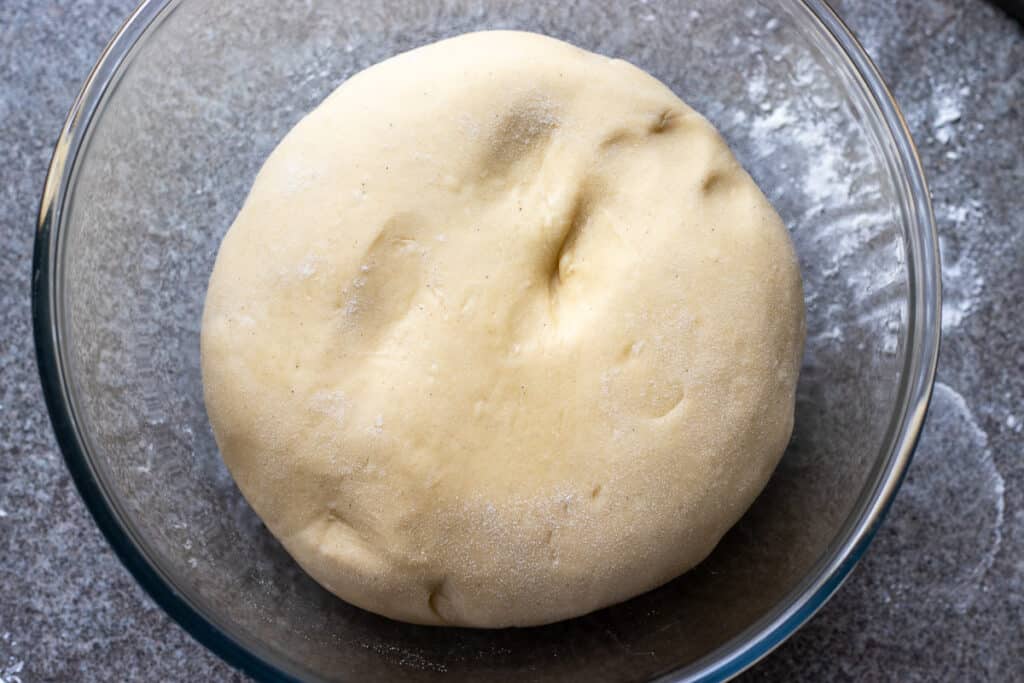
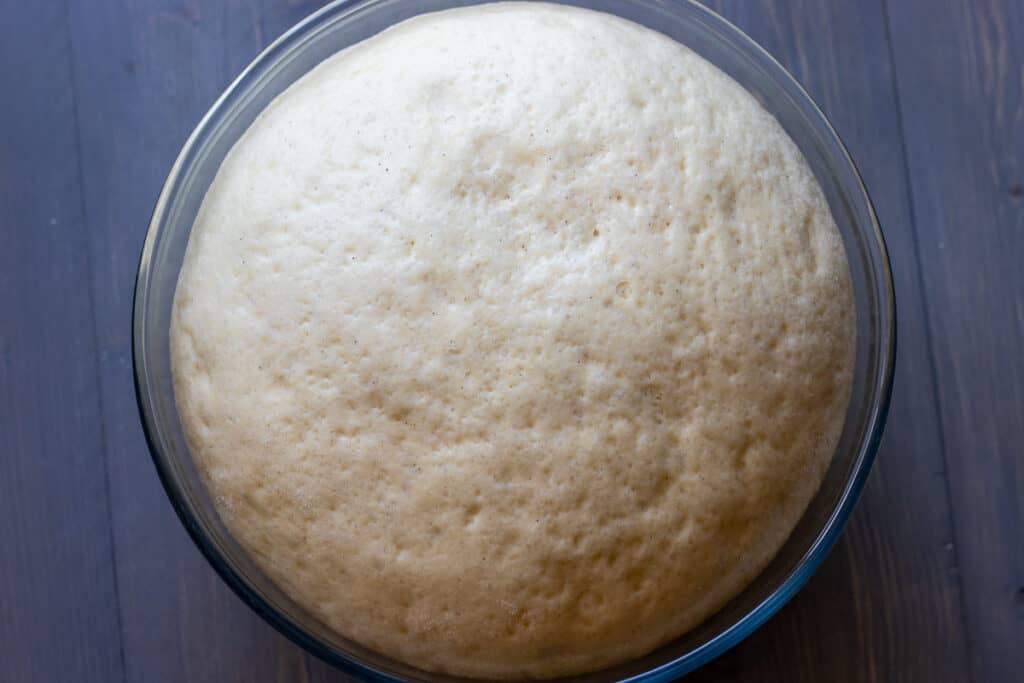
Once the dough has risen, divide it into 12 equal pieces, each weighing approximately 70 grams (2 ½ oz).
Roll each dough portion into a ball and flatten it slightly to form a donut shape. Sit each one on its own small square of parchment paper on a baking sheet, lightly sprinkle with flour, and cover them with a clean kitchen towel or plastic wrap. The squares let you lower them into the oil without pressing the air out of them.

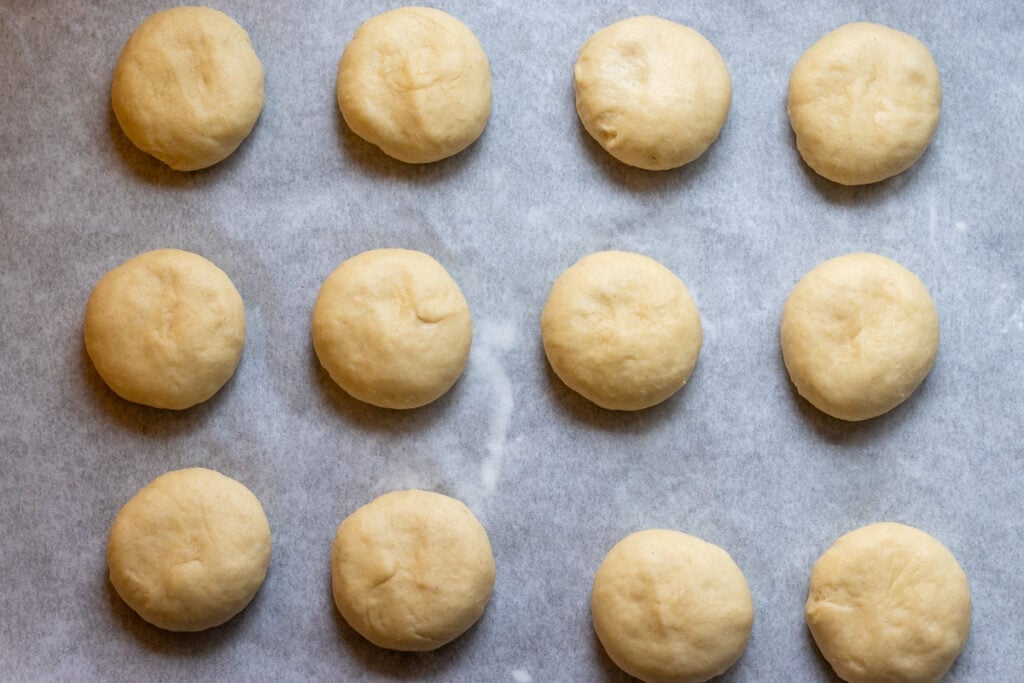
Let them rise for another hour until they have doubled in size. Remove the cover and allow them to rise for an additional 30 minutes, allowing a slight crust to form.
Fry the Donuts and Fill Them with Jam
Heat the oil in a deep frying pan or pot to 165°C (330°F). Lower the risen dough balls in paper side up, then peel the paper away once they float. Fry for about a minute on each side, until they turn golden brown and puffy.

Don't overfill the pan; do it in 2 or 3 batches, depending on the size of your frying pan. Remove the Berliners from the oil using a slotted spoon and place them on a paper towel-lined wire rack to drain excess oil.

If you want your Berliners sweeter, allow them to cool down for 10 minutes, or until they're easier to handle, and then roll them in superfine sugar.
Allow them to cool down to room temperature, and then, using a jam filler or a thin-nozzled piping bag, fill each Berliner with your choice of jam. Dust them with powdered sugar and serve them still warm.

Recipe Tips From the Chef
- Weigh your flour rather than scooping it out with a cup. Too much flour is the most common reason Berliner come out dense.
- Fry one on its own first to see how the oil behaves before you commit the whole batch.
- Knead the dough until smooth and elastic for light and fluffy Berliners. Consider using a stand mixer with a dough hook for best results.
- Let the sweet dough rise well during both the first and second rises after shaping the donuts to build the flavor and structure of the dough.
- Get the oil to 165°C (330°F) and check it with a cooking thermometer. If you don't have one, perform a quick test with a wooden spoon. Dip the end of a wooden spoon into the oil, and if it bubbles within three seconds, the oil is ready for frying.
- Avoid overcrowding the frying pan or pot. Fry the donuts in batches to maintain the right temperature and prevent them from sticking together.
- Jam is the traditional filling, but feel free to experiment with various jam flavors, custards, or even Nutella for different filling options.
Recipe Variations
- Vanilla custard instead of jam. Pipe it in the same way, once they have cooled a little.
- Eggnog filling , which German bakeries sell around New Year.
- Change the jam to suit the region. Apricot is the Bavarian choice, plum butter the eastern German one, and rosehip is used in Baden and Swabia.
- Glaze them with a thin sugar icing instead of dusting. That's how they're usually finished in Berlin.
- Cinnamon sugar. Roll them in it as soon as they come out, so it sticks.
- Bake instead of fry at 180°C for about 12 minutes. They come out closer to a sweet roll, but they're still good.
- Fill one with mustard. Germans do this on New Year's Eve as a prank on whoever picks the wrong one.
Serving Suggestions
Serve them slightly warm, with coffee. That's how they're eaten in Germany, usually standing at the bakery counter.
They belong to Carnival in February and to New Year's Eve, though bakeries sell them all year round.
If you're making them for a party, shape them half the usual size. People will happily take two.
If you like frying sweet dough, try Lokma Dessert - Fried Sweet Dough Balls or Tulumba next. For another enriched yeast dough, there is Chocolate Nutella Babka Bread.
Storage, Reheating and Make Ahead
Berliner - German Jam Donuts are best enjoyed on the day they're made. If you plan to consume them within 1-2 days, store them at room temperature in a cool, dry place. Allow the Berliner donuts to cool completely at room temperature and transfer them to an airtight container or a resealable plastic bag.
If you want to store Berliner donuts for an extended period, consider freezing them for up to three moths.
When you're ready to enjoy frozen Berliners, remove them from the freezer and let them thaw at room temperature for a few hours. Then, you can reheat them in a preheated oven at a low temperature until they're warm and crispy again.
The dough is the part you can get ahead on. Give it 30 minutes at room temperature, then leave it in the fridge overnight.
Bring it back to room temperature for about an hour before you shape it. Cold dough won't rise properly in the pan.
Fried Berliner don't keep, so fry and fill them on the day you want to eat them. If you need a head start, freeze them unfilled and warm them through in a low oven.
Troubleshooting
- They came out greasy - The oil was too cool, or you put too many in at once. Fry three or four at a time.
- Dark outside, raw in the middle - The oil was too hot. Drop it back to 165°C and let them take their time.
- They collapsed after frying - Either the dough overproofed or the flour wasn't strong enough.
- The jam leaked out - You filled them too full, or the hole you piped through was too wide.
- Donuts are dense rather than light - The dough needed longer to rise. Yeast dough takes as long as your kitchen says it does, not as long as the recipe says.
Recipe FAQS
Berliners and American donuts both use yeast-raised dough, but they have unique shapes and finishes.
Berliner donuts are ball-shaped with no holes before frying. American donuts are cut from the rolled-out dough and often have the center removed to make donut holes.
American donuts are typically glazed, and Berliners are traditionally coated with powdered sugar and filled with jam.
No, and it's a story that only exists in English. He said "Ich bin ein Berliner" in Berlin in 1963 and the German was correct. The claim that the crowd laughed traces back to American newspapers in the 1980s. It falls apart anyway, because in Berlin these are called Pfannkuchen, not Berliner.
Yes. Use roughly a third of the weight, so 7g of dried in place of 21g of fresh. Dried yeast works more slowly, so give the dough a bit longer to rise.
Any neutral oil with a high smoke point does the job, so sunflower, rapeseed or vegetable oil. Clarified butter is the traditional German choice if you want a richer flavor. Don't mix solid fat and oil in the same pan.
Enriched dough is meant to be soft and slightly tacky. Don't be tempted to add more flour, or they'll come out heavy. Keep kneading and it will pull away from the bowl on its own.
Related Recipes
For more delicious sweet pastry recipes why not try:


Did you make this recipe? Please let me know how it turned out! Leave a comment below and tag @cookingorgeous on Instagram and hashtag it #cookingorgeous.
I hope you enjoy the process of making these soft and fluffy Berliner - German Jam Donuts as much as you enjoy eating them! 🙂
Want to Save This Recipe?
Enter your email & I'll send it to your inbox. Plus, get great new recipes from me every week!
By submitting this form, you consent to receive emails from Cooking Gorgeous

Berliner Recipe - German Jam Donuts
Ingredients
- 4 cups strong white flour (plain flour) (500 grams)
- 2 ¼ teaspoon fast action dry yeast (7 grams)
- 6 ¾ oz low-fat or whole milk (200 ml)
- 3 egg yolks (at room temperature)
- ⅓ cup caster or granulated sugar
- 2 ½ oz unsalted butter (softened at room temperature) (70 grams)
- 1 teaspoon vanilla bean paste or extract
- 1 tablespoon white wine vinegar or apple cider vinegar
- ⅛ teaspoon salt
- 6 oz jam (300 grams)
- 1 ½ tablespoon powdered sugar (for dusting)
- vegetable, rapeseed or sunflower oil for frying
Instructions
Prepare the Dough
- In a mixing bowl, combine the lukewarm milk and dry yeast. Let it sit for a few minutes until it becomes frothy.
- Transfer the yeast mixture to a stand mixer bowl fitted with a dough hook attachment.
- Add the sugar, vanilla bean paste, flour, salt, and vinegar to the yeast mixture in the stand mixer bowl.
- Mix on low speed until a dough forms and then add the egg yolks.
- Once the dough has come together, add the softened butter in very small portions piece by piece, and let it incorporate into the dough before adding more.
- Let the mixer knead the dough for 8 to 10 minutes until the dough is smooth, elastic, and no longer sticky. Stretch a small piece between your fingers to check: it should go thin enough to see light through before it tears.
Proof and Shape
- Place the dough in a lightly oiled bowl, covet it with plastic wrap or a clean kitchen towel.
- Let the dough rise for 1 hour, or until it doubles the size in a warm place.
- Once the dough has risen, divide it into 12 equal pieces, each weighing approximately 70 grams (2 ½ oz).
- Roll each dough portion into a ball and flatten it slightly to form a donut shape.
- Sit each one on its own small square of baking paper on a tray, lightly sprinkle with flour, and cover them with a clean kitchen towel or plastic wrap. The squares let you lower them into the oil later without pressing the air out of them.
- Let them rise for another hour until they have doubled in size.
- Remove the cover and allow them to rise for an additional 30 minutes, allowing a slight crust to form.
Fry and Fill the Donuts
- Heat the oil in a deep frying pan or pot to 165°C (330°F).
- Lower the risen donuts into the hot oil paper side up, then peel the paper away once they float. Fry for about a minute on each side or until they turn golden brown and puffy.
- Do not overfill the pan; do it in 2 or 3 batches, depending on the size of your frying pan.
- Remove the Berliners from the oil using a slotted spoon and place them on a paper towel-lined wire rack to drain excess oil.
- If you want your Berliners sweeter, allow them to cool down for 10 minutes, or until they are easier to handle, and then roll them in superfine sugar.
- Allow them to cool down to room temperature, and then, using a jam filler or a thin-nozzled piping bag, fill each Berliner with your choice of jam.
- Dust them with powdered sugar and serve as still warm and fresh.
Video
Notes
- Storage. Berliner are at their best the day they are made. Keep leftovers in an airtight container at room temperature for a day or two. Do not refrigerate them, as the fridge dries them out quickly.
- Freezing. Freeze them unfilled for up to 3 months. Thaw at room temperature, warm through in a 150°C oven for a few minutes, then fill and dust with sugar.
- Make ahead. The dough can be made the night before. Give it 30 minutes at room temperature, then 10 to 12 hours in the fridge. Let it come back to room temperature for an hour before shaping.
- Oil temperature. 165°C is the target and 175°C is the ceiling. Any hotter and they brown before the middle cooks. Any cooler and they drink the oil.
- Fat. Use a neutral oil or clarified butter. Never mix solid fat and oil in the same pan.
- Flour. Use plain flour rather than plain. The extra gluten is what stops them collapsing once they come out of the pan.
- Filling. Fill them as still warm but not hot, going in through the pale band. About 1 tablespoon each is right. Use a smooth jam with no pieces in it, or it will block the nozzle.
- Which jam. Apricot is standard in Bavaria and Austria, plum butter in eastern Germany, and rosehip in Baden and Swabia. Raspberry and strawberry work just as well.
- Other fillings. Vanilla custard, and eggnog around New Year, are both common in German bakeries.
- If they turn out greasy, the oil was too cool or the pan was too crowded. Fry three or four at a time and let the oil come back up to temperature between batches.
- If they collapse after frying, the dough was overproofed or the flour was too weak.
Sophie D says
Absolutely delicious! I made them twice already and will be making again soon. Thank you for the recipe!