
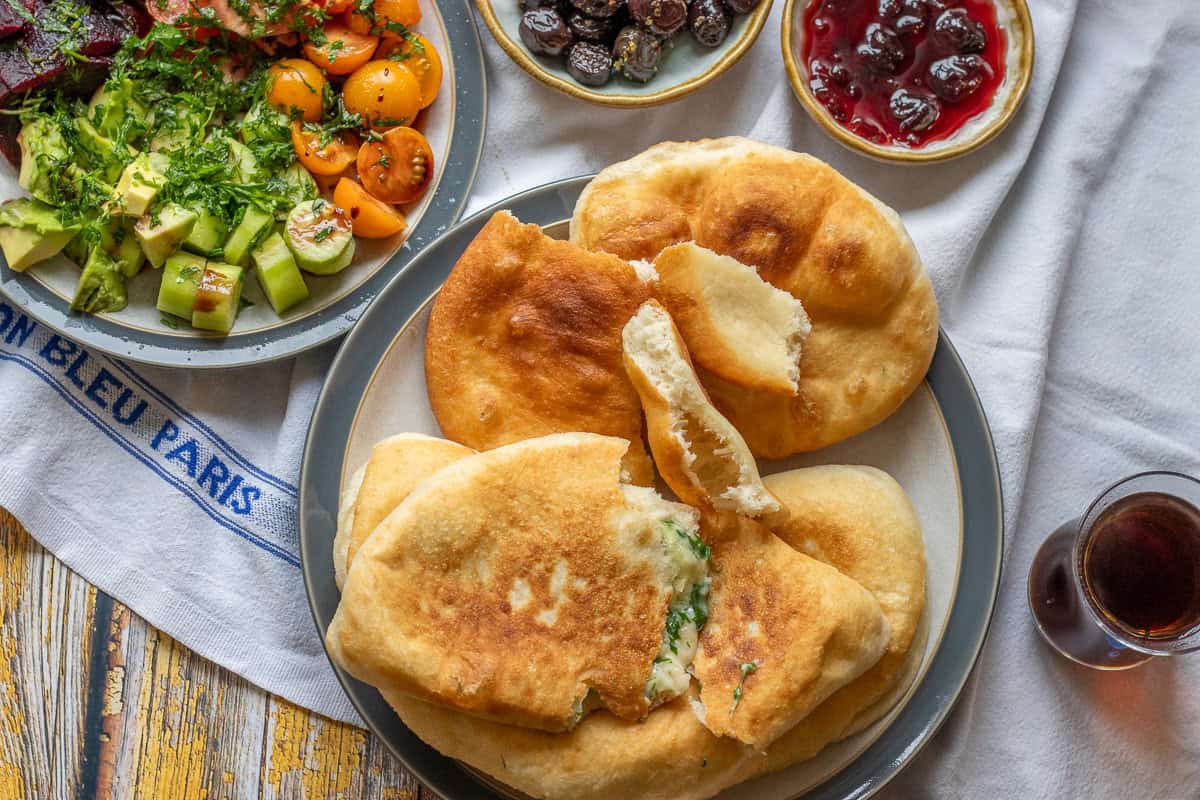
Pişi is a fried dough you’ll often find at Turkish breakfast tables next to tea, olives, and jam. The dough is crispy on the outside, soft and airy inside, and made with simple ingredients: a mix of flour, milk, water, yeast, a touch of sugar and salt. Once it’s rested and puffed, you drop pieces into hot oil until they balloon and turn the color to golden.
Jump to:
Because the flavor is neutral, you can pair it with cheese, olives, jam, or eat it plain. This version makes five pieces. Two are plain, and three are filled with a cheese and herb mixture that softens and melts as they fry.
Ingredients You'll Need
Please scroll down to the recipe card below for the full ingredients list with measurements, complete recipe method, recipe notes, and nutritional information.
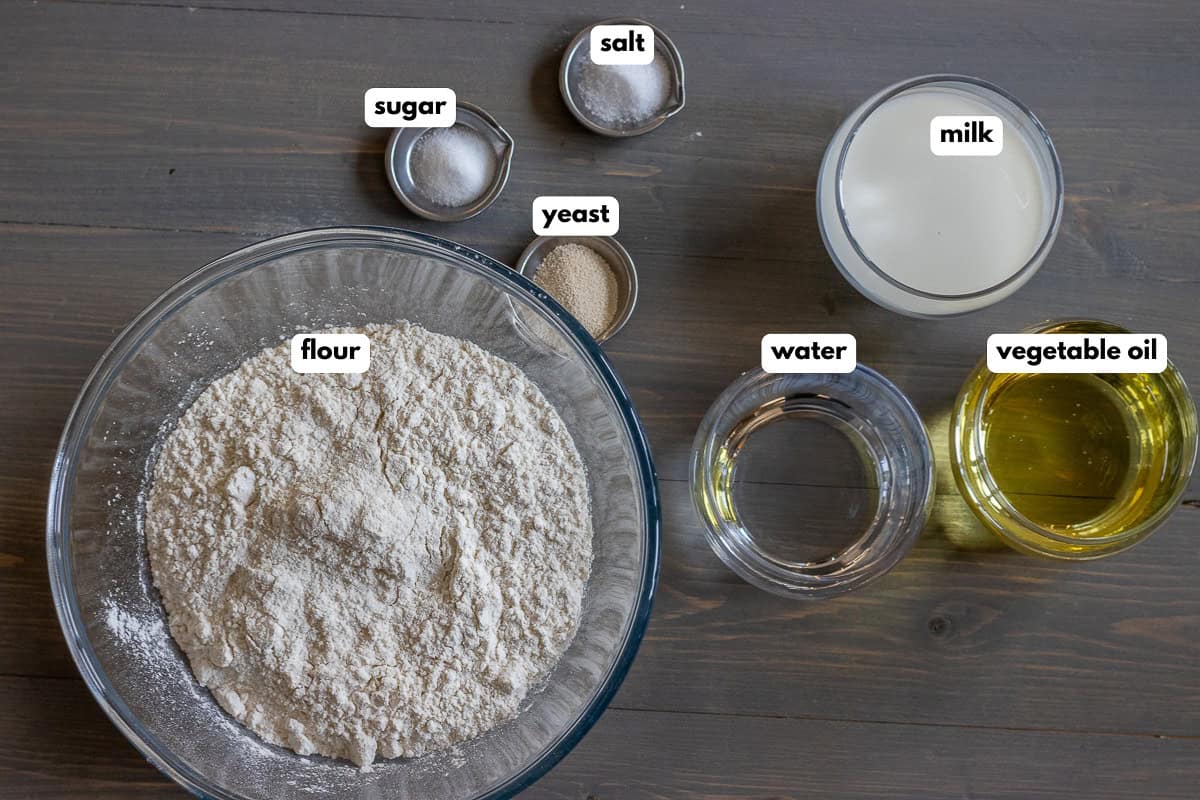
- Flour - Strong white flour, also known as strong bread flour, gives some elasticity to the dough, which makes it easier to roll out. It is made from hard wheat varieties and contains more gluten than other types of flour. You can also use plain flour if that's what you have available.
- Yeast - instant/dry yeast is common. Some versions use baking powder or soda (for “mayasız pişi” — no yeast) for quicker results.
- Salt - I always include it as it adds flavour and regulates the yeast.
- Sugar - A small amount is often used (just enough to feed the yeast), but it’s optional.
- Oil for frying - A neutral frying oil (sunflower, canola, vegetable) with good heat tolerance.
How to Make Pişi - Turkish Fried Dough
Prepare the Dough
Mix warm liquid (milk, water, or both) plus sugar and yeast. Let it sit for about 5 minutes until foamy / bubbling (shows yeast is alive). Combine flour and salt, then add the yeast-liquid mix to the flour.

Stir until roughly combined; then knead by hand for a few minutes. The dough will be sticky to start with, but don't be tempted to add more flour. You can use a little flour to clean the dough sticking to your hands.
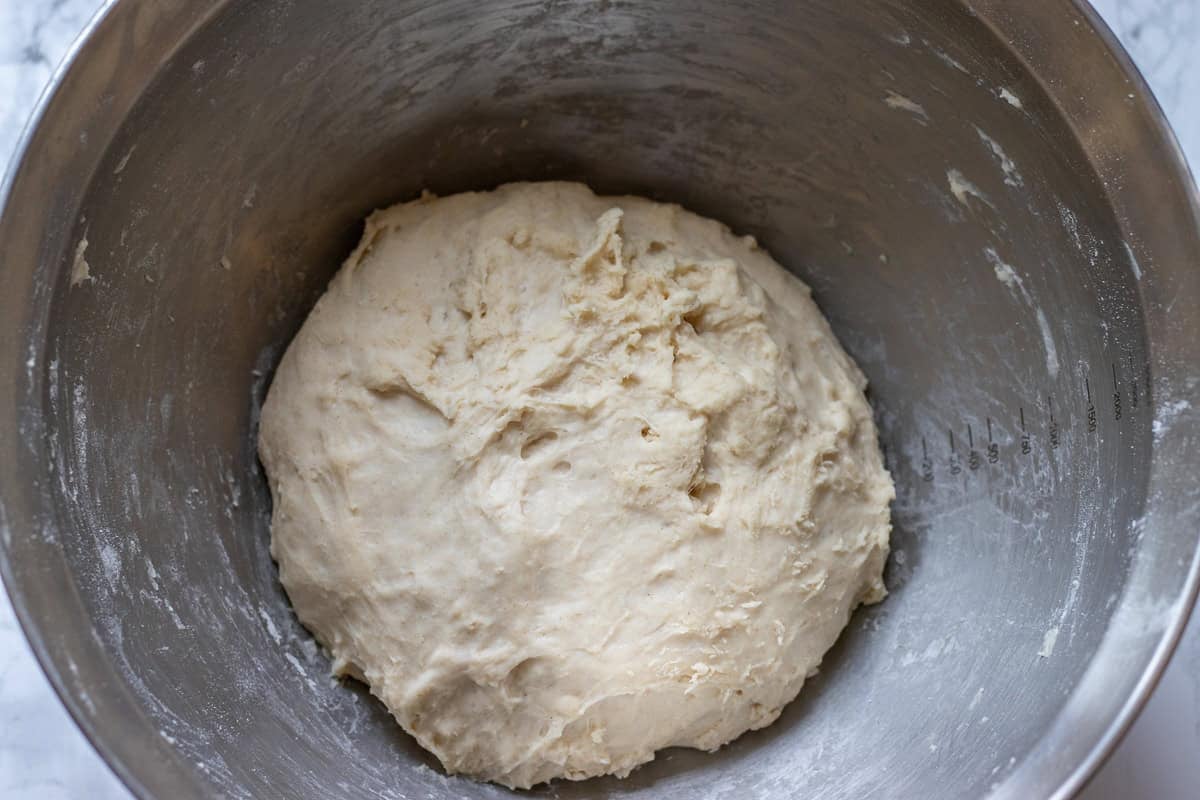
Place dough in a lightly oiled bowl, cover (with plastic wrap or a damp cloth). Let it rest for 15 minutes and then start stretching and folding, just like when making Dutch Oven Sourdough Bread. To do the stretch-and-fold method, wet your hands and grab the dough from the bottom of the bowl. Stretch it upwards and fold it over itself. Rotate the bowl a quarter turn and repeat the process.

Do this four times, so you've done a full rotation.
Cover the bowl with a tea towel and let it rest for 15 minutes. Repeat the stretch-and-fold method two more times, with 15-minute rests in between each round. After the last stretch-and-fold, let the dough rest for another 15 minutes.
Shape and Fry
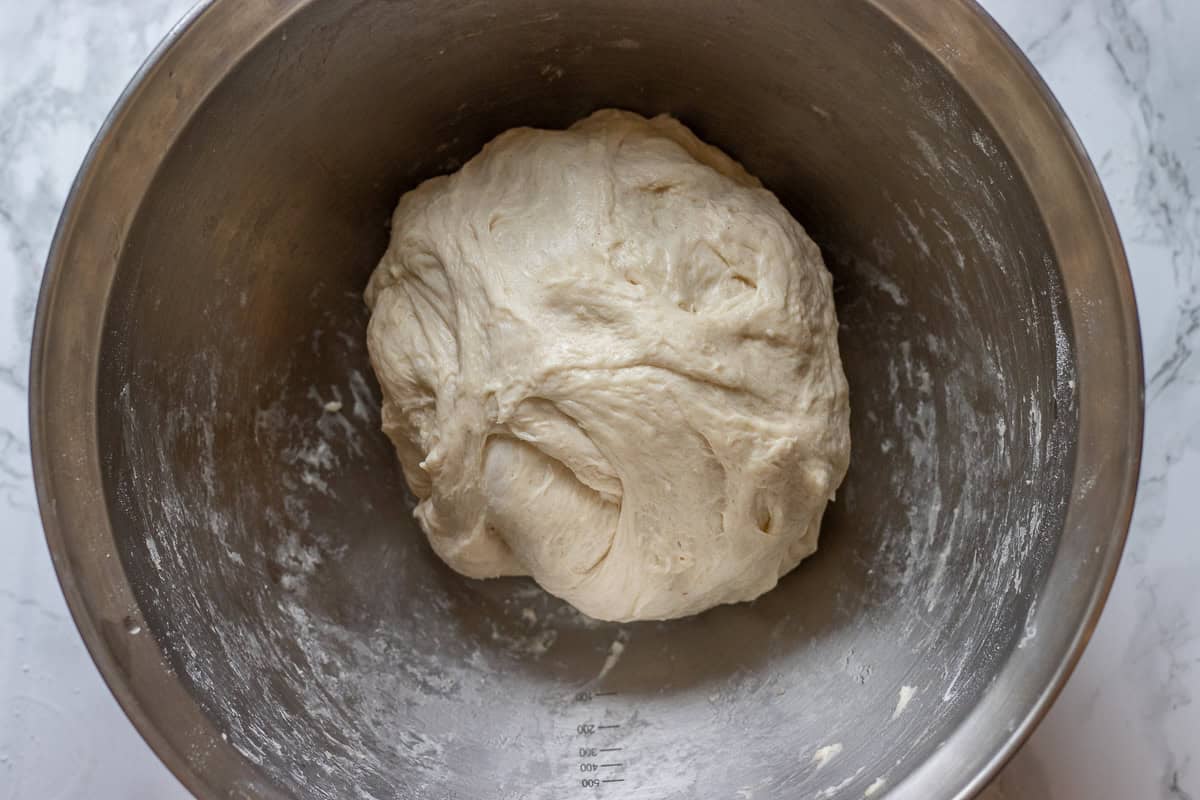
Gently punch the dough down to release large air pockets. Then divide into five equal pieces. You can make all plain or a mixture of plain and filled with cheese.
For the plain ones, just shape into a smooth ball or a slightly flattened round. For the filled ones, flatten the dough piece, place a couple of spoonfuls of the cheese-herb mix in the center, then fold and seal the edges well so it doesn’t leak when frying.
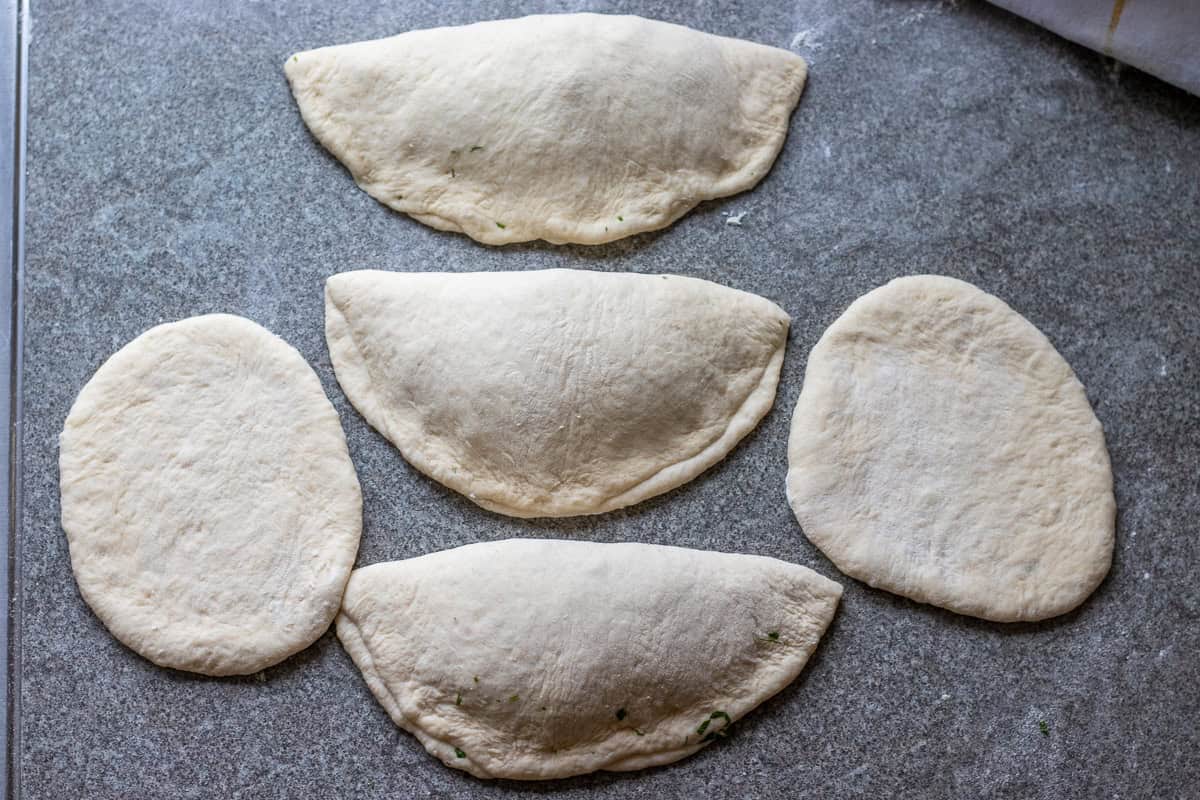
After shaping, cover the pieces (a damp cloth helps) and let rest / prove for another 20–30 minutes until puffed. Optionally, you can press a finger in the centre (indent) to help more even frying. Heat oil in a deep pan or fryer to about 175–185 °C (roughly 350–365 °F). Use a thermometer.
You can test the temperature by dropping in a small piece of dough; it should sizzle and rise slowly to the surface. Lower a few pieces into the oil without crowding the pan. Fry until one side turns golden, then gently flip and cook the other side.
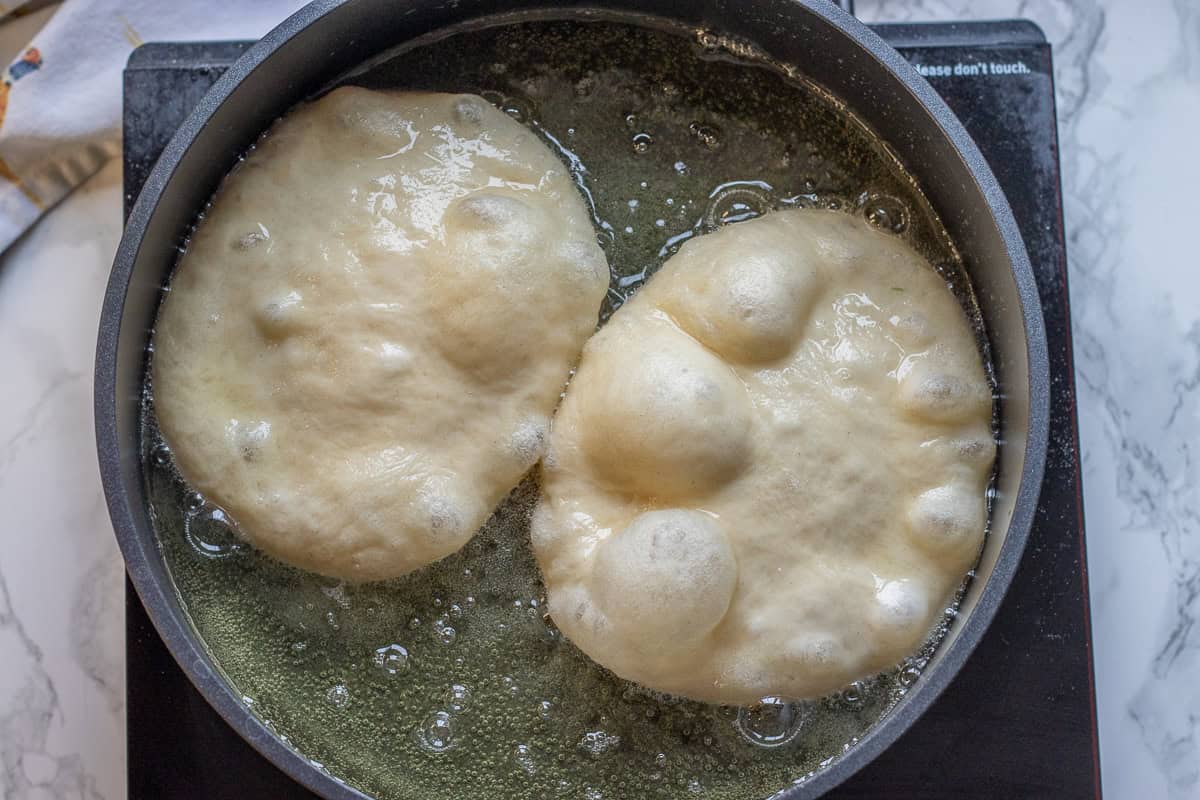
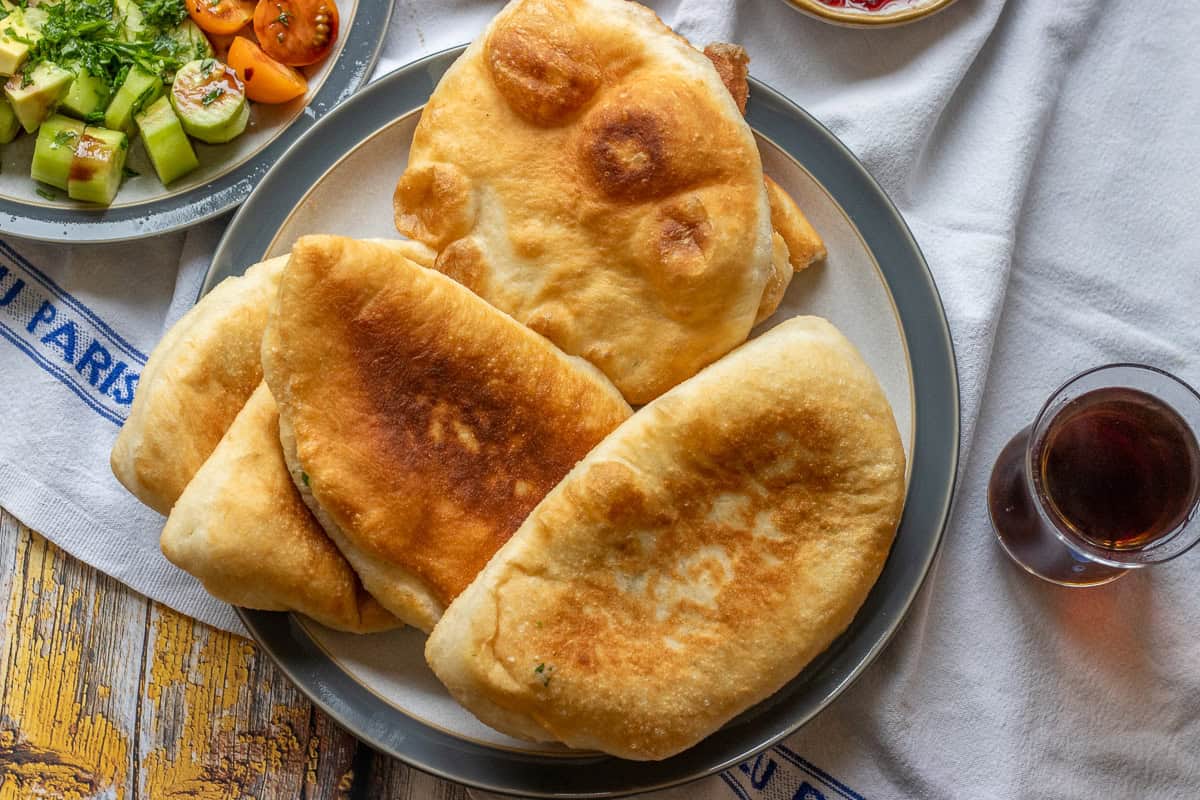
Each piece will take two to four minutes. Lift them out and drain on paper towels. Pişi tastes best right after frying, when the inside is still tender and the outside is lightly crisp.
Recipe Tips From the Chef
- Always check oil temperature. If it’s too low, the dough soaks up oil and becomes greasy; if too hot, the exterior burns before the inside is cooked.
- Fry in small batches so the oil temperature doesn’t drop too much.
- Test one piece first to see color and timing before doing the full batch.
- Seal the filled ones tightly; gaps let cheese leak and burn.
- If the inside of the dough seems undercooked, lower the heat slightly and fry a bit longer; also, ensure the dough isn’t too thick.
Variations to Try
You can make the whole batch plain or fill all of them with cheese. Try other cheeses like mozzarella, Kasar, or a mild goat cheese. Fresh herbs such as parsley, dill, basil or chives work well. Some people like to add a pinch of red pepper flakes to the filling for color and a small bite.
For a quick version, you can replace the yeast with baking powder, but the texture will be denser. Sweet versions are also common; simply add a little more sugar to the dough and dust the fried pieces with powdered sugar once they cool slightly.
Storage and Reheating
If you have leftovers, keep them in an airtight container at room temperature for a day or in the fridge for up to three days. To bring back some crispness, warm them in an oven set to 180 degrees Celsius for a few minutes.
To freeze, simply wrap them with a cling film and place them in a freezer bag or layer them between parchment paper in a freezer-safe container to prevent them from sticking. You can keep them in the freezer for up to three months.
Serving Suggestions
Pişi is perfect with a traditional Turkish breakfast spread. Pair it with sliced tomatoes, cucumbers, olives, and different cheeses. The plain ones are good with jam or honey, while the cheese-filled ones work nicely with Turkish Tea - Çay, or ayran, a yoghurt drink that cuts through the richness. You can even serve them with Tarhana Soup for a light meal.
Recipe FAQs
The oil was probably too cool. Keep it hot enough so the dough fries quickly without soaking up too much oil.
Spinach and cheese, mashed potatoes with herbs, or even a little jam for a sweet twist all work well.
Yes, you can make it the night before and keep it in the fridge. Let it come to room temperature before shaping and frying.
Related Recipes
For more delicious Turkish breakfast pastry recipes, why not try:


Did you make this recipe? Please let me know how it turned out! Leave a comment below and tag @cookingorgeous on Instagram and hashtag it #cookingorgeous.
I hope you enjoy the process of making Pişi - Turkish Fried Dough as much as you enjoy eating it! 🙂
Bon appétit! / Afiyet olsun!
Want to Save This Recipe?
Enter your email & I'll send it to your inbox. Plus, get great new recipes from me every week!
By submitting this form, you consent to receive emails from Cooking Gorgeous

Pişi - Turkish Fried Dough
Equipment
- 1 kitchen scale
- 1 measuring spoons
- 1 cooking thermometer
Ingredients
- 2 ½ cups bread flour/strong flour (300 grams)
- 1 teaspoon fast action dried yeast
- ½ cup milk (lukewarm)
- ½ cup water (lukewarm)
- ½ teaspoon sugar
- ½ teaspoon salt
- 1 cup crumbled feta (optional)
- 2 tablespoon fresh herbs (optional)
- oil for frying
Instructions
Preparing the Dough
- Mix warm liquid (milk, water, or both) plus sugar and yeast. Let it sit for about 5 minutes until foamy / bubbling (shows yeast is alive).
- Combine flour and salt, then add the yeast-liquid mix to the flour.
- Stir until roughly combined; then knead by hand for a few minutes. The dough will be sticky to start with, but don't be tempted to add more flour. You can use a little flour to clean the dough sticking to your hands.
- Place dough in a lightly oiled bowl, cover (with plastic wrap or a damp cloth). Let it rest for 15 minutes.
- After resting the dough, start stretching and folding, just like when making Dutch Oven Sourdough Bread. To do the stretch-and-fold method, wet your hands and grab the dough from the bottom of the bowl. Stretch it upwards and fold it over itself. Rotate the bowl a quarter turn and repeat the process. Do this four times, so you've done a full rotation.
- Cover the bowl with a tea towel and let it rest for 15 minutes. Repeat the stretch-and-fold method two more times, with 15-minute rests in between each round. After the last stretch-and-fold, let the dough rest for another 15 minutes.
Shaping and Frying
- Gently punch the dough down to release large air pockets.
- Then divide into five equal pieces. You can make all plain or a mixture of plain and filled with cheese.
- For the plain ones, just shape into a smooth ball or a slightly flattened round. For the filled ones, flatten the dough piece, place a couple of spoonfuls of the cheese-herb mix in the center, then fold and seal the edges well so it doesn’t leak when frying.
- After shaping, cover the pieces (a damp cloth helps) and let rest / prove for another 20–30 minutes until puffed. Optionally, you can press a finger in the centre (indent) to help more even frying.
- Heat oil in a deep pan or fryer to about 175–185 °C (roughly 350–365 °F). Use a thermometer. You can test the temperature by dropping in a small piece of dough; it should sizzle and rise slowly to the surface.
- Lower a few pieces into the oil without crowding the pan. Fry until one side turns golden, then gently flip and cook the other side.
- Each piece will take two to four minutes. Lift them out and drain on paper towels.
- Pişi tastes best right after frying, when the inside is still tender and the outside is lightly crispy.
Video
Notes
- Always check oil temperature. If it’s too low, the dough soaks up oil and becomes greasy; if too hot, the exterior burns before the inside is cooked.
- Fry in small batches so the oil temperature doesn’t drop too much.
- Test one piece first to see color and timing before doing the full batch.
- Seal the filled ones tightly; gaps let cheese leak and burn.
- If the inside of the dough seems undercooked, lower the heat slightly and fry a bit longer; also, ensure the dough isn’t too thick.

Daniela says
These came out fluffy, crispy and golden. They went down nicely with a little honey and cheese.