
If you've ever wondered How to Make Turkish Coffee, you'll find it's simpler than you might think once you learn a few handy tips. All you need is a small pot called a cezve, very finely ground coffee, and a little patience as it gently simmers on low heat.
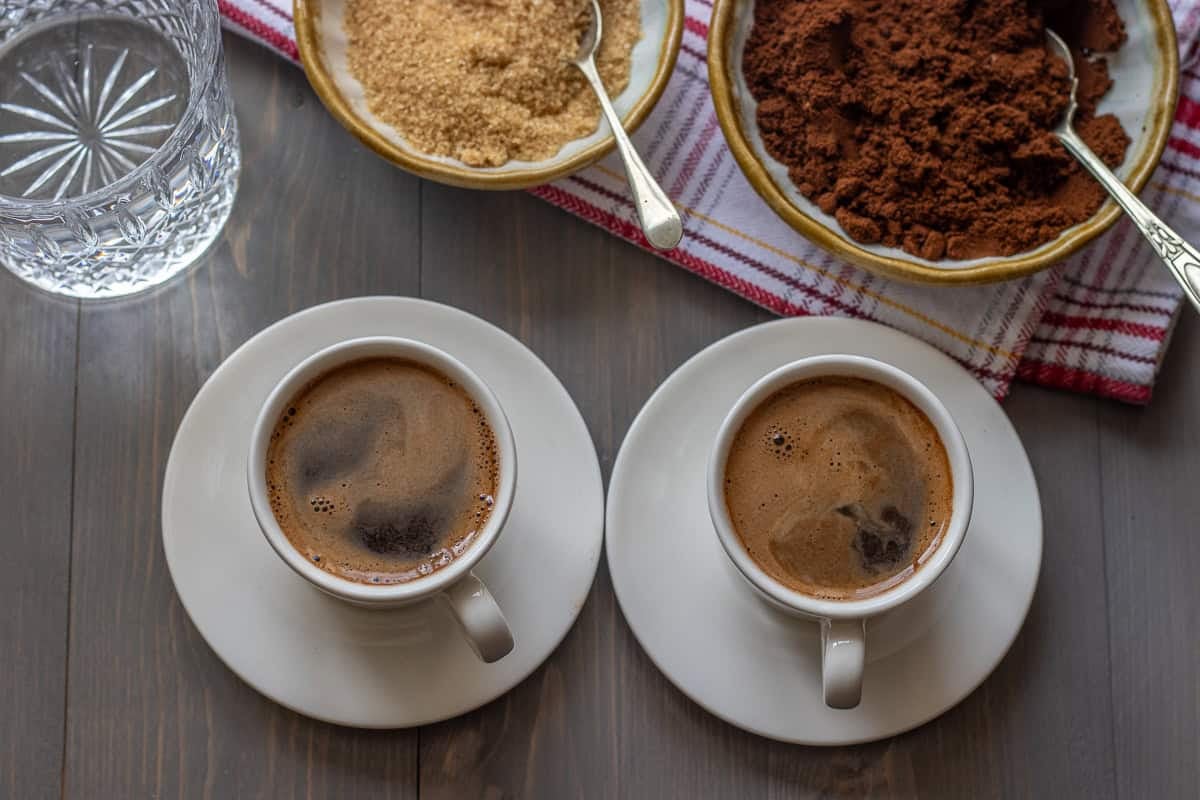
I'll happily guide you through creating a delicious thick foam, choosing the right amount of sugar, and serving it in the traditional style.
Jump to:
- History of Turkish Coffee
- What You Need to Make Turkish Coffee - Türk Kahvesi
- How to Make Turkish Coffee
- How to Brew with Two Different Sugar Levels in the Same Cezve
- Recipe Tips From the Chef
- What Does Turkish Coffee Taste Like?
- Serving Suggestions
- Variations of Turkish Coffee
- Recipe FAQs
- Related Recipes
- How to Make Turkish Coffee
I’ve been making this for years now, and it’s always a hit at home. I love serving it with some Sari Burma Baklava Rolls or a few pieces of Turkish Delight (Lokum). I brew it slowly in the cezve, then pour it straight into little cups, known as fincan, without straining. It comes out rich, fragrant, and topped with that smooth, creamy foam on top.
The ingredients are simple: powder-fine Turkish coffee, cold water, and sugar if you like it a bit sweet. That’s really all you need, but it’s the way it’s made that gives it its character.

History of Turkish Coffee
Turkish coffee has been enjoyed for more than 500 years. It was first introduced to Istanbul during the Ottoman Empire in the 1500s, and from there, it spread across the Middle East, North Africa, and Eastern Europe. Coffeehouses (Kahvehane in Turkish) became important social spaces where people met to talk, play games, or discuss ideas. In 2013, UNESCO added Turkish coffee culture and tradition to its Intangible Cultural Heritage list, recognizing it as more than just a drink.
In Turkey, serving coffee is also part of hospitality, same as Turkish Tea - Cay. Offering a guest a small cup of Turkish coffee is a traditional way of showing respect and care. It also plays a role in weddings: when a man asks for a woman’s hand, her family often serves Turkish coffee to test his patience and manners. Sometimes the bride-to-be adds extra salt instead of sugar to her suitor’s cup as a playful test of his character.
Another cultural detail is fortune-telling. After drinking the coffee, people sometimes turn the cup upside down on the saucer and read the patterns left by the coffee grounds. This fun tradition is still common today.

Turkish coffee is a big part of daily life in Turkey, from home kitchens to small cafés. If you’re planning a trip, this guide to the best cafés in Istanbul from Passport Symphony has some useful ideas for places to visit.
What You Need to Make Turkish Coffee - Türk Kahvesi
Please scroll down to the recipe card below for the full ingredients list with measurements, complete recipe method, recipe notes, and nutritional information.
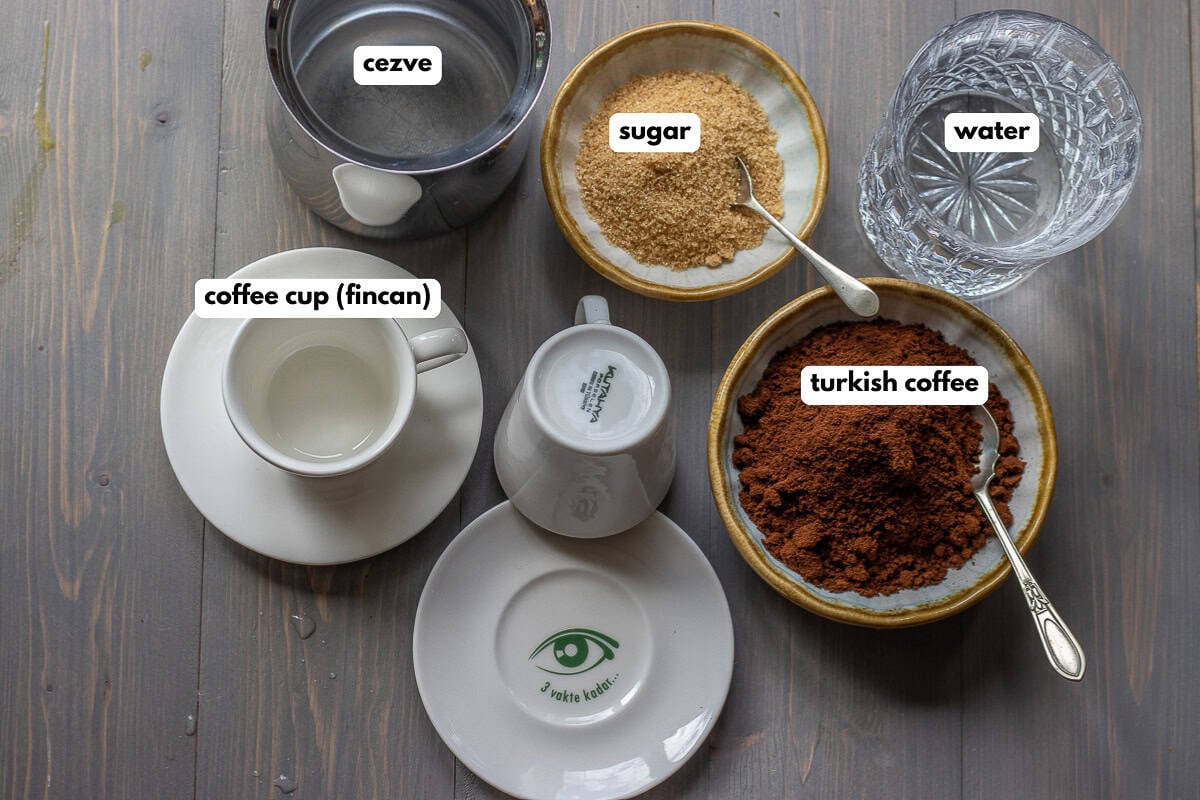
- Turkish coffee - Extremely fine coffee grounds that can be found in most Middle Eastern and Turkish shops.
- Water - Fresh cold water
- Sugar - It is optional. You need to add it before brewing. If it is your first time drinking Turkish coffee, you can experiment and adjust the level of sweetness to your taste.
- Cezve (pronounced "jez-veh") (Turkish coffee pot) - It is usually copper or stainless steel with a long handle. Copper heats up and cools down fast, which gives you more control right at the point where the coffee is about to boil over, so many people prefer it for the foam. Stainless steel is easier to maintain and works just fine too. You can find them in Turkish shops or online.
- Fincan (Turkish coffee cups) - They are small demitasse-style cups and come in a wide range of styles and colours. I like it plain white, but colourful ones are more popular. You can find them in Turkish shops or online.
How to Make Turkish Coffee
Use your serving cups to measure the water. Fill them with cold water and pour into the cezve. This makes sure the portions are correct.

Add one heaping teaspoon of finely ground Turkish coffee for each cup. The grind must be extra fine, almost like powder, for the right taste and foam.

This is the moment to add sugar. Once brewed, you cannot stir sugar in without breaking the foam. Choose your sweetness level before you start.
Here’s a helpful sugar guide:
| Sweetness Level | Turkish Name | Sugar per Cup (teaspoons) | Sugar per Cup (grams) |
|---|---|---|---|
| No sugar | Sade | 0 | 0 g |
| Lightly sweet | Az şekerli | ½ teaspoon | ~2 g |
| Medium sweet | Orta şekerli | 1 teaspoon | ~4 g |
| Sweet | Şekerli | 2 teaspoons | ~8 g |

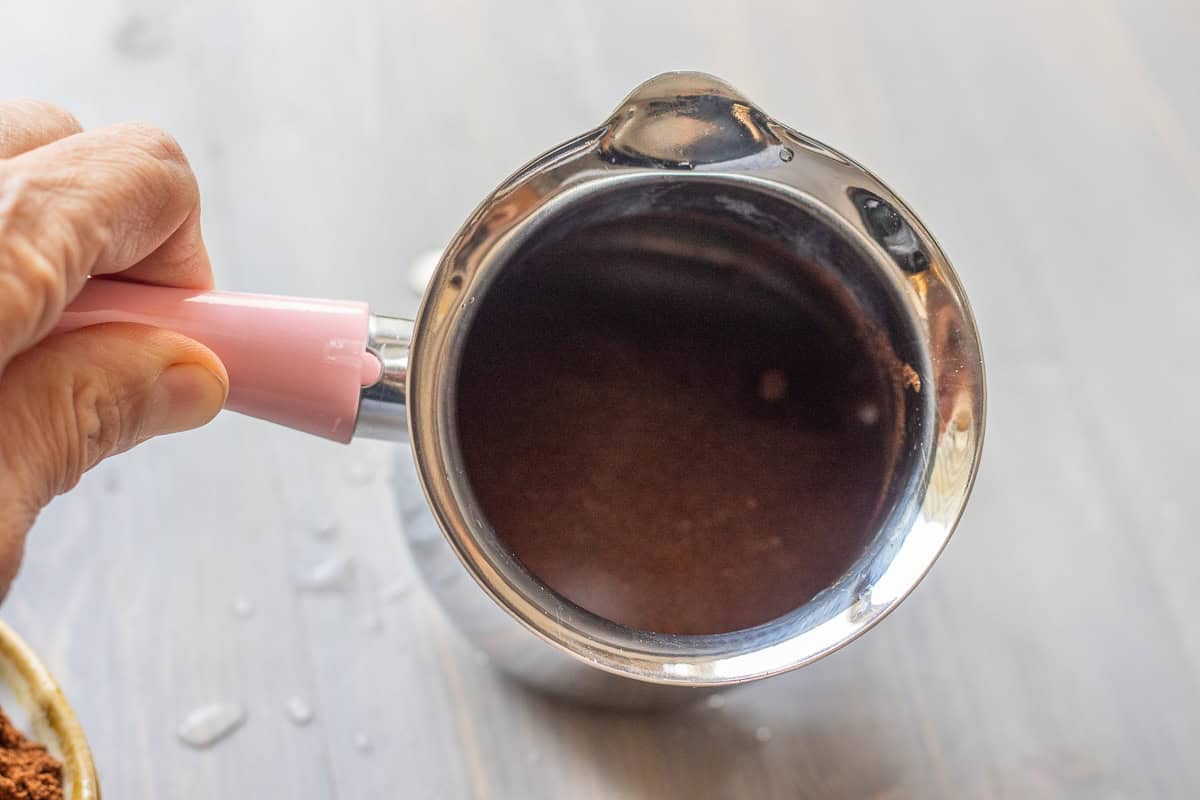
Mix the water, coffee, and sugar well while still cold. This is the only time you stir.
Place the cezve on low heat. Turkish coffee must be heated gently for the flavor to develop and the foam to rise. As the coffee warms, foam will form and rise.
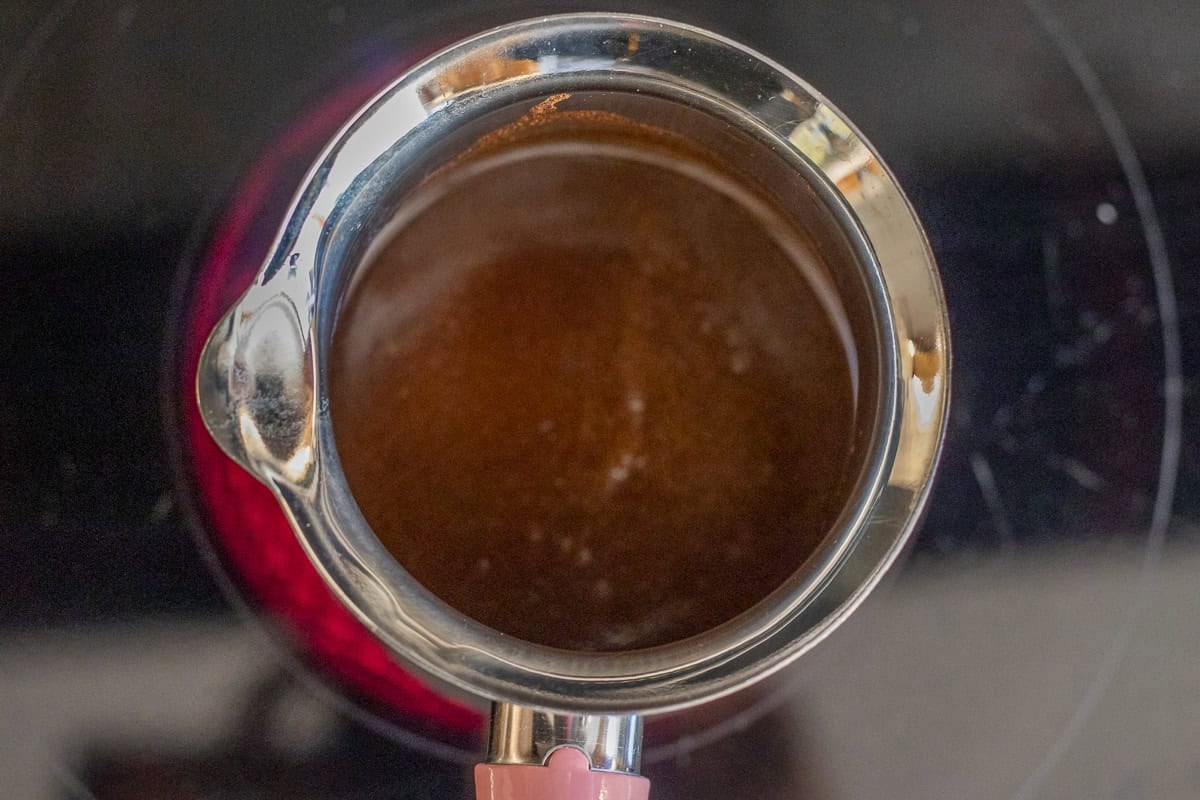
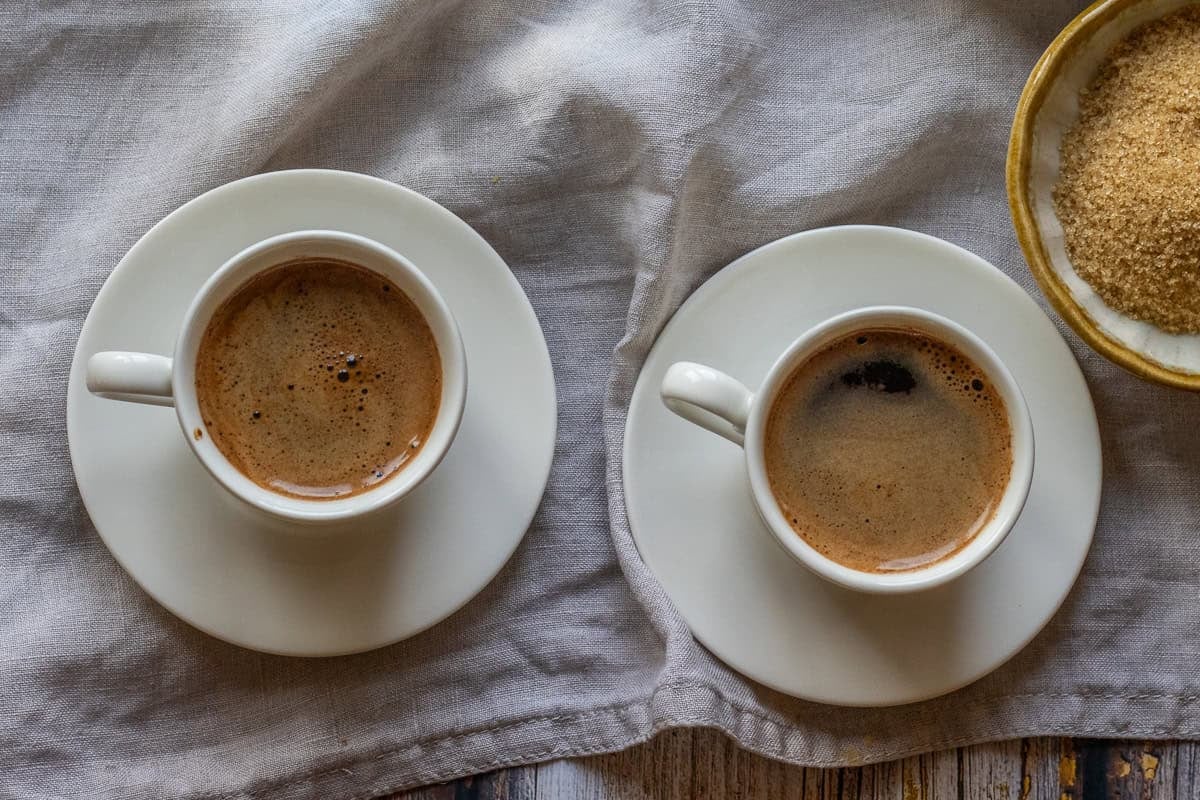
Remove from heat just before it boils over and divide the thick foam formed on top between 2 cups.

Return the cezve to heat and let it come to a gentle boil. Pour slowly into cups without disturbing the foam on top. Serve hot, with water and something sweet on the side.
How to Brew with Two Different Sugar Levels in the Same Cezve
Sometimes you need to make Turkish coffee for two people, but each prefers a different sweetness. This is common when serving guests. There are two ways to handle it:
Method 1: Brew Separately
This is the best way for perfect results if you only have one cezve. Prepare one cezve with the sugar level for the first person, pour, then repeat with a fresh cezve of water and coffee for the second person. It takes a little more time, but each cup turns out just right.
Method 2: One Cezve, Divide Carefully
If you only have one cezve and want to save time, you can adjust as follows:
- Brew the coffee with no sugar.
- Pour the first cup for the person who likes it plain.
- Put the cezve back on the stove with the remaining coffee, add the sugar for the second person, stir quickly, and reheat just enough for the sugar to dissolve.
- Pour into the second cup.
This second method is not fully traditional because coffee should not be stirred after heating, but it works if you need two different sugar levels at once.
Recipe Tips From the Chef
- Always start with cold water.
- Use very fine coffee, even finer than espresso. Try and find Turkish coffee as other types of coffee grounds won't give you the same foamy, thick coffee.
- Stir only before heating, never after.
- Keep the heat low and slow.
- Remove cezve from the heat just before it boils over and divide equally the thick foam formed on top between 2 cups.
- Return the cezve back on gentle heat and remove from the heat just before it boils.
- Do not drink the bottom layer; that is where the grounds settle.
- Clean the cezve by hand with warm water after each use, no soap needed. For stubborn stains, a paste of baking soda and water works well. Dry it right away so it does not tarnish.
What Does Turkish Coffee Taste Like?
Turkish coffee is strong, smooth, and rich. It has a full-bodied taste and a thick texture that lingers on the tongue. Because it is unfiltered, the fine grounds add to the mouthfeel. The sugar level changes the taste a lot. Without sugar, it is strong and earthy. With sugar, it becomes softer and rounder.
Serving Suggestions
When you hand someone their cup, turn the handle toward them so it's easy to pick up. One cup is the usual serving size, since it's so concentrated a second is rarely offered. Turkish coffee is always served in small cups with water on the side. A sweet treat is almost always included. Here are some common pairings:
- Turkish Pistachio Baklava, Kadaif Dessert - Turkish Tel Kadayif, or Sekerpare - Turkish Semolina Cookies.
- A small piece of chocolate, such as Oreos Covered in Chocolate.
- Simple biscuits or cookies such as Walnut Cookies, Un Kurabiyesi - Turkish Flour Cookies, or Turkish Apple Cookies (Elmali Kurabiye).
The water is not optional. It is served to cleanse the mouth before sipping and to refresh afterward. If you want the most authentic feel, serve in small decorated cups with saucers.
Variations of Turkish Coffee
Greek coffee: Very similar but often slightly different in sugar levels or foam style.
With cardamom: Common in the Middle East for a warm, spiced note.
Double brewed: Some people brew twice for a thicker drink.
With milk: Not traditional in Turkey, but some enjoy it this way, including myself when I was a teenager.
Recipe FAQs
Yes, but the foam will not be the same. A small saucepan works, but a cezve is best.
It is strong but smoother than espresso. It feels richer because of the unfiltered grounds. In terms of caffeine, the two are actually close. A small cup of Turkish coffee has around 50 to 65 mg, close to a single espresso shot at about 63 mg. The strength you taste comes from the fine grounds and slow brew, not extra caffeine.
Yes, they're the same pot with two names. Cezve is the Turkish word, while ibrik is used in Arabic, Greek, and other parts of the Middle East. Recipes may use either term for the same small, long-handled pot.
Fresh Turkish coffee should smell strong as soon as you open the bag. Rub a pinch between your fingers, it should feel light and crumbly, not clumped together. If it smells flat or sticks in clumps, it's past its best and won't foam well.
If the foam collapses or never forms, it's usually because the heat was too high or the coffee got stirred after it started warming. You can add a small pinch of fresh coffee, stir once, and let it warm gently again, but the foam won't be quite as thick the second time. It'll still taste good, just note it for next time and keep the heat lower.
Related Recipes
For more delicious drink recipes why not try:



Did you make this recipe? Please let me know how it turned out! Leave a comment below and tag @cookingorgeous on Instagram and hashtag it #cookingorgeous.
I hope you enjoy the process of learning how to make Turkish Coffee - Türk Kahvesi as much as you enjoy drinking it! 🙂
Want to Save This Recipe?
Enter your email & I'll send it to your inbox. Plus, get great new recipes from me every week!
By submitting this form, you consent to receive emails from Cooking Gorgeous

How to Make Turkish Coffee
Ingredients
- 2 teaspoon Turkish coffee ground (heaping)
- ¾ cup cold water (2 small Turkish coffee cups)
- sugar (optional)
Instructions
- Use your serving cups to measure the water. Fill them with cold water and pour them into the cezve. This makes sure the portions are correct.
- Add one heaping teaspoon of finely ground Turkish coffee for each cup. The grind must be extra fine, almost like powder, for the right taste and foam.
- This is the moment to add sugar. Once brewed, you cannot stir sugar in without breaking the foam. Choose your sweetness level before you start. Mix the water, coffee, and sugar well while still cold. This is the only time you stir.
- Place the cezve on low heat. Turkish coffee must be heated gently for the flavor to develop and the foam to rise.
- As the coffee warms, foam will form and rise. Remove from heat just before it boils over and divide the thick foam formed on top between 2 cups.
- Return the cezve to heat and let it come to a gentle boil. Pour slowly into cups without disturbing the foam on top.
- Serve hot, with water and something sweet on the side.
Notes
- Always start with cold water.
- Use very fine coffee, even finer than espresso. Try and find Turkish coffee as other types of coffee grounds won't give you the same foamy, thick coffee.
- Stir only before heating, never after.
- Keep the heat low and slow.
- Remove cezve from the heat just before it boils over and divide equally the thick foam formed on top between 2 cups.
- Return the cezve back on gentle heat and remove from the heat just before it boils.
- Do not drink the bottom layer, that is where the grounds settle.
- Clean the cezve by hand with warm water after each use, no soap needed. Dry it right away so it does not tarnish.


Freya says
First time making Turkish coffee. The steps were clear and easy to follow. It came out rich and delicious.