
My Greek Bread - Horiatiko Psomi is a simple loaf you can make at home with a few basic pantry ingredients. It is easy to shape and doesn’t need hours of rising. I bake it in a loaf tin, so there is no need to shape a perfect round or use a Dutch oven.
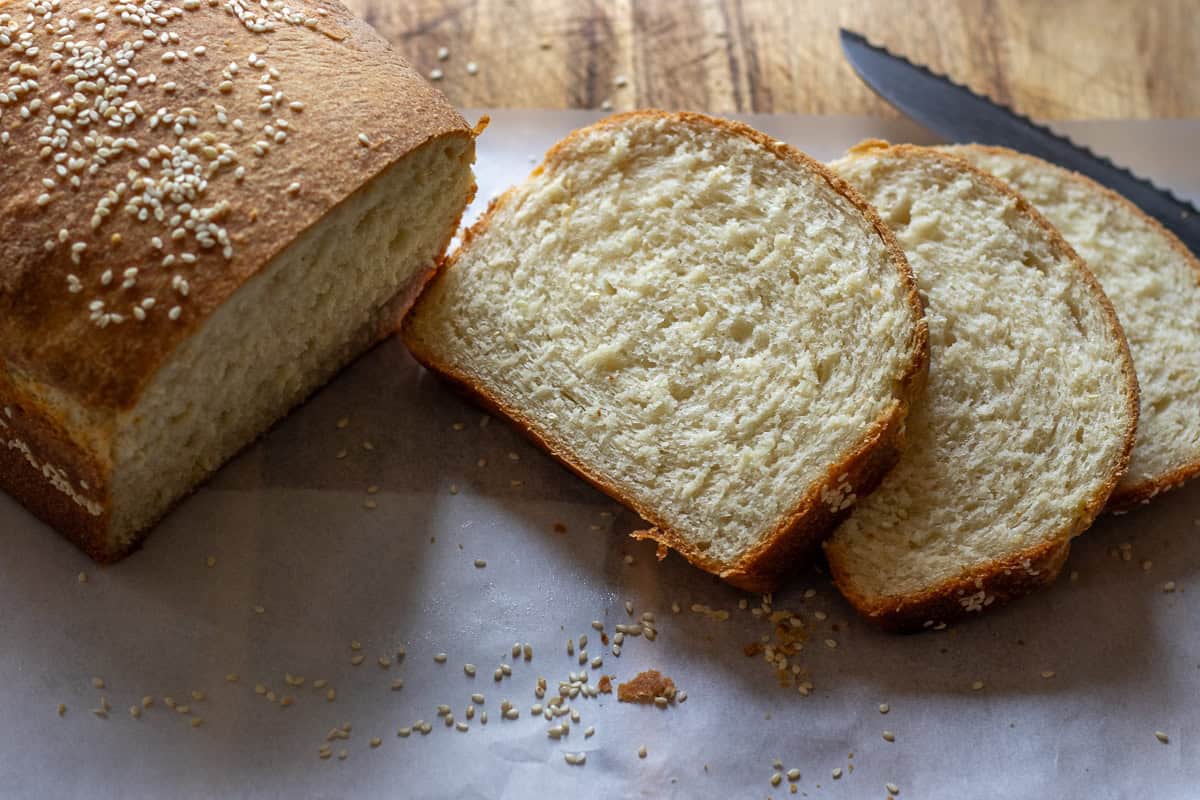
The bread comes out with a golden crust and a soft crumb. It is easy to slice and goes perfectly with many Mediterranean meals. This Greek village bread is softer than a basic country loaf, so it is great for dipping into olive oil, serving with Fried Halloumi and olives, or eating alongside soups, stews, and grilled meat. I like to toast the leftovers the next day, especially with butter, honey, or soft cheese.
Jump to:
The semolina gives the bread a slightly rustic texture and helps the crust bake up nicely. Plain yogurt keeps the crumb soft, and the honey gives the dough a better flavor without making the bread sweet. Sesame seeds add a little nuttiness and give the loaf a simple, bakery-style finish.
What is Horiatiko Psomi?
Horiatiko Psomi, which means “village bread” or “country bread” in Greek, is a simple rustic loaf and a big part of everyday Greek cooking. Psomi means bread in Greek, and horiatiko refers to something village-style or country-style.
It is usually made with simple ingredients such as flour, water, yeast or sourdough starter, and salt. Traditional versions are often made with durum wheat flour and baked in wood-fired ovens, which gives the bread a stronger crust, a deeper flavor, and a slightly chewy crumb.
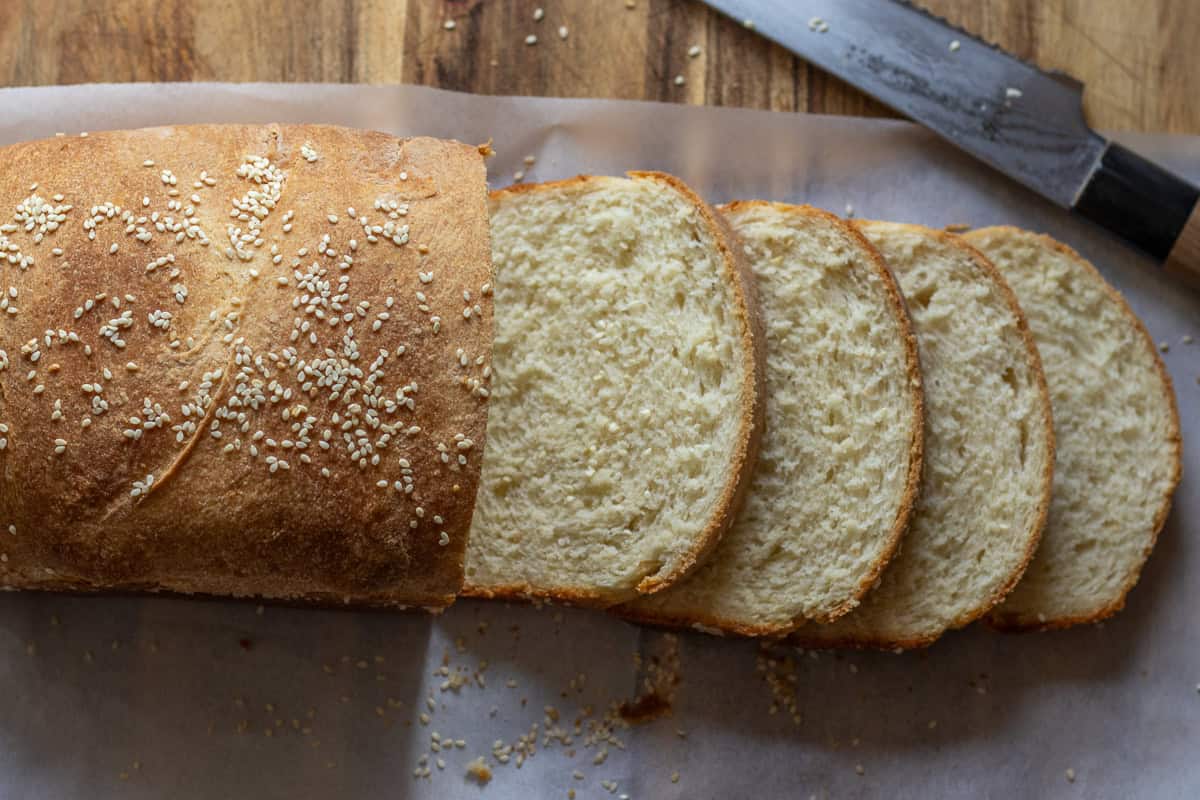
You will find Horiatiko Psomi in bakeries across Greece, where it is sold as an everyday bread for family meals. It is the bread people serve as a side with salads, dips, stews, grilled meat, casseroles, and vegetable dishes, or use for dipping into olive oil and mopping up sauces from the plate.
Why This Recipe Works
- The loaf bakes in a tin, so the dough keeps a nice shape without any tricky shaping or special equipment.
- Fine semolina gives the bread a light golden color and a slightly rustic texture without making the crumb gritty.
- Plain yogurt keeps the inside soft and tender, so the bread slices well and stays fresh the next day.
- A little honey helps the yeast work and gives the bread a better flavor without making it taste sweet.
Ingredients You'll Need
Please scroll down to the recipe card below for the full ingredients list with measurements, complete recipe method, recipe notes, and nutritional information.
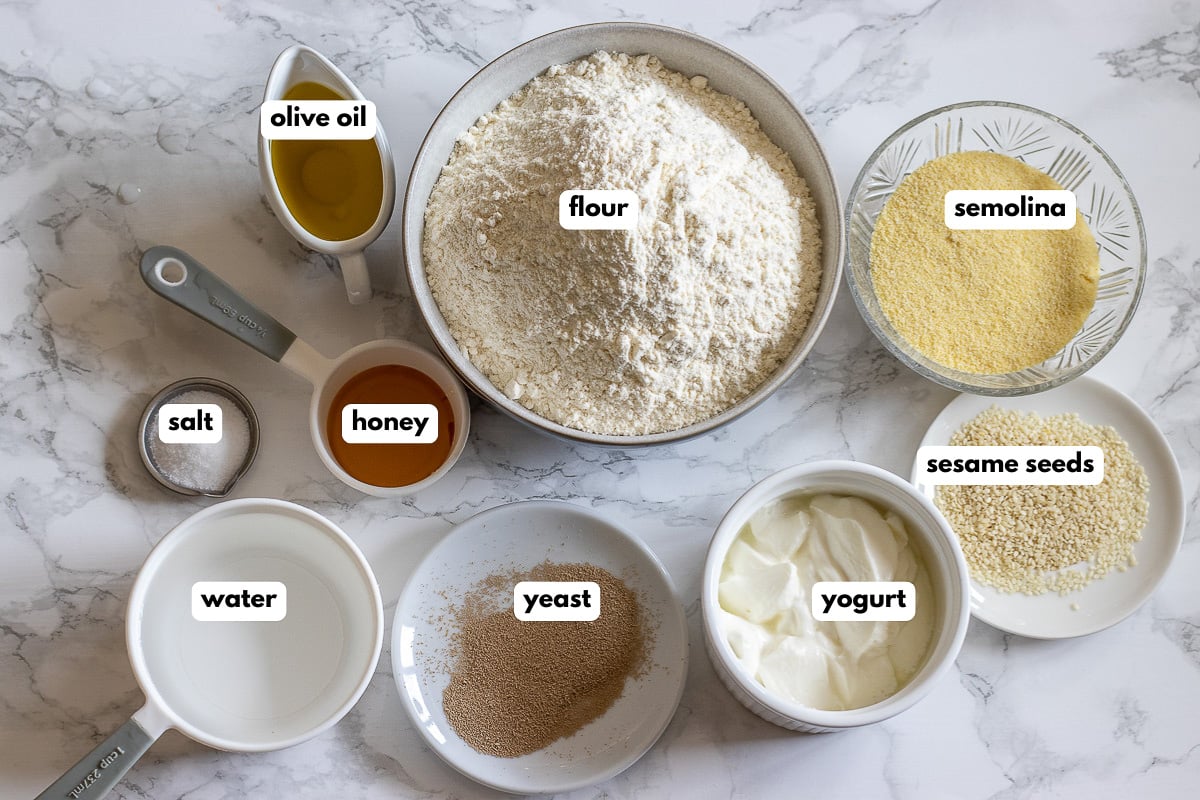
- Bread Flour - It gives the loaf strength and helps it rise well. It also gives the bread a better chew than all-purpose flour. In the UK, use strong white bread flour.
- Water - Use lukewarm water, not hot water. If the water feels too hot to touch comfortably, let it cool slightly before adding it to the dough.
- Fine semolina - Fine semolina gives this bread a slightly rustic texture and a light golden color. Make sure you use fine semolina rather than coarse semolina, as coarse semolina can make the crumb feel gritty.
- Yeast - Instant yeast can go straight into the dry ingredients, which keeps the method simple.
- Plain yogurt - It makes the crumb softer and gives the bread a slightly richer texture. Use plain natural yogurt or Greek-style yogurt.
- Honey - Honey helps feed the yeast and gives the bread a gentle flavor. The finished bread does not taste sweet.
- Olive oil - It softens the dough and adds flavor. Use mild olive oil or extra virgin olive oil.
How to Make Greek Bread - Horiatiko Psomi
Prepare the Dough
Place the bread flour, fine semolina, instant yeast, salt, honey, yogurt, lukewarm water, and olive oil into the bowl of a stand mixer.
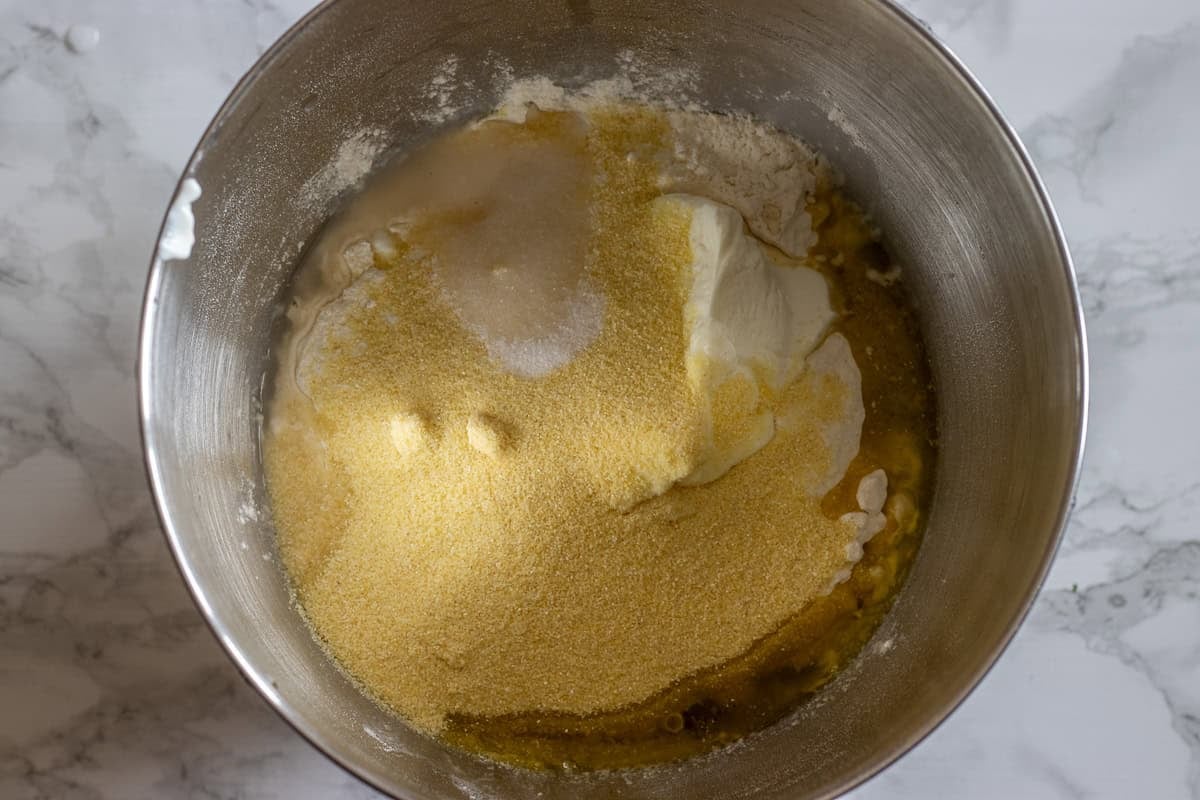
Mix with the dough hook on medium-low speed for 5-6 minutes until everything comes together into a sticky dough. The dough will look soft and a little messy at first, which is normal. Sprinkle your worktop with a little flour and tip the dough onto it.
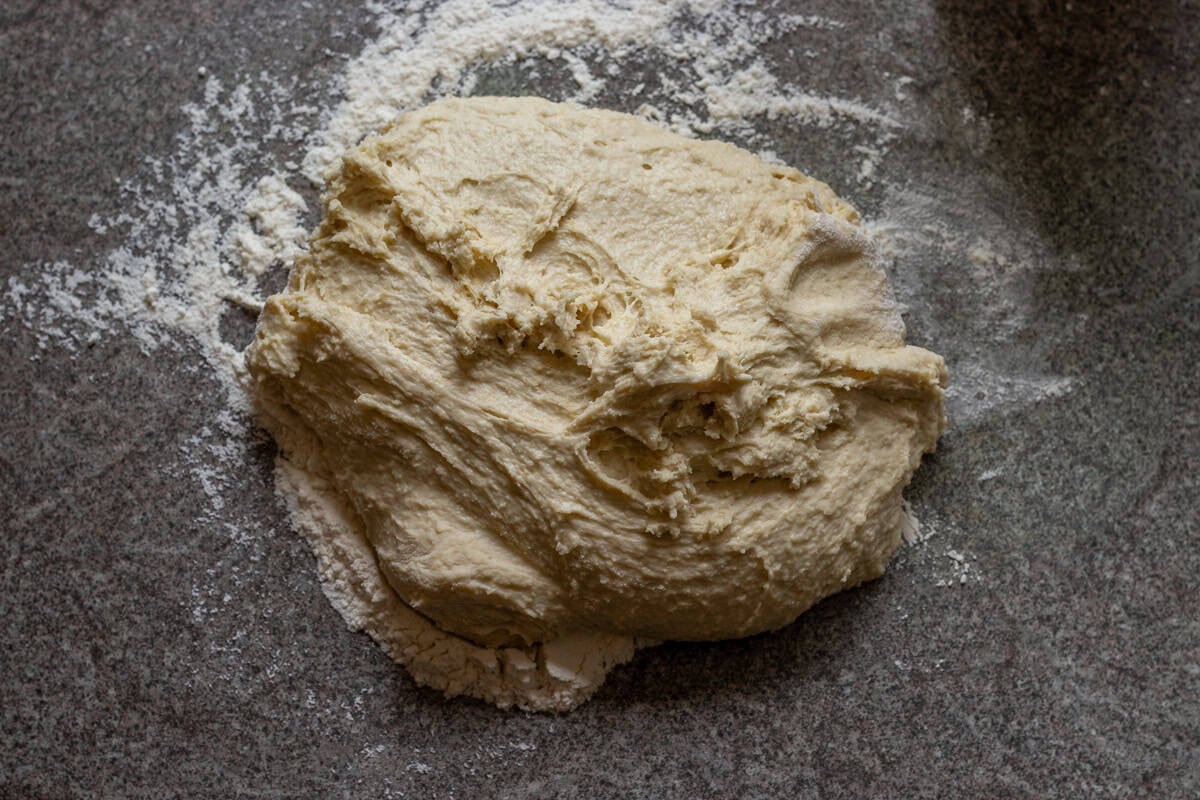
Knead it by hand for a few more minutes, until it feels soft, smooth, and easier to handle. Try not to add too much extra flour. The dough should stay soft and slightly tacky, not dry.
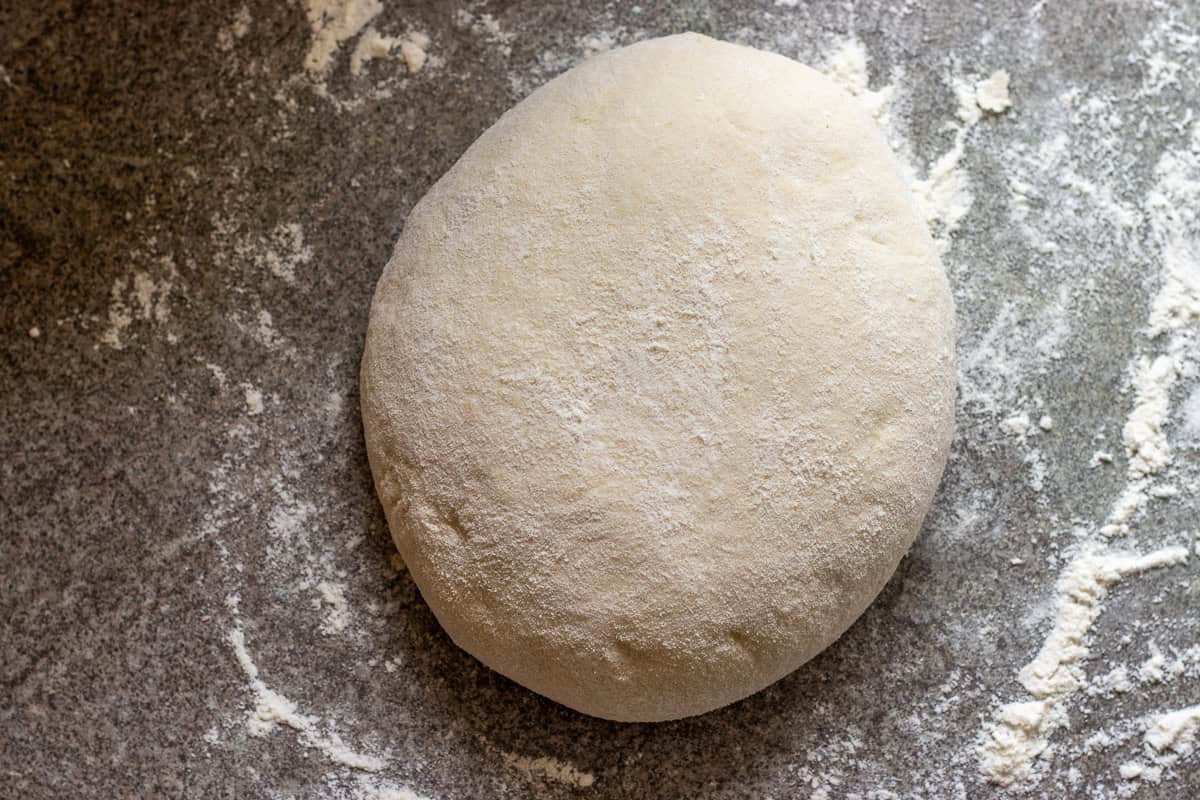
First Rise
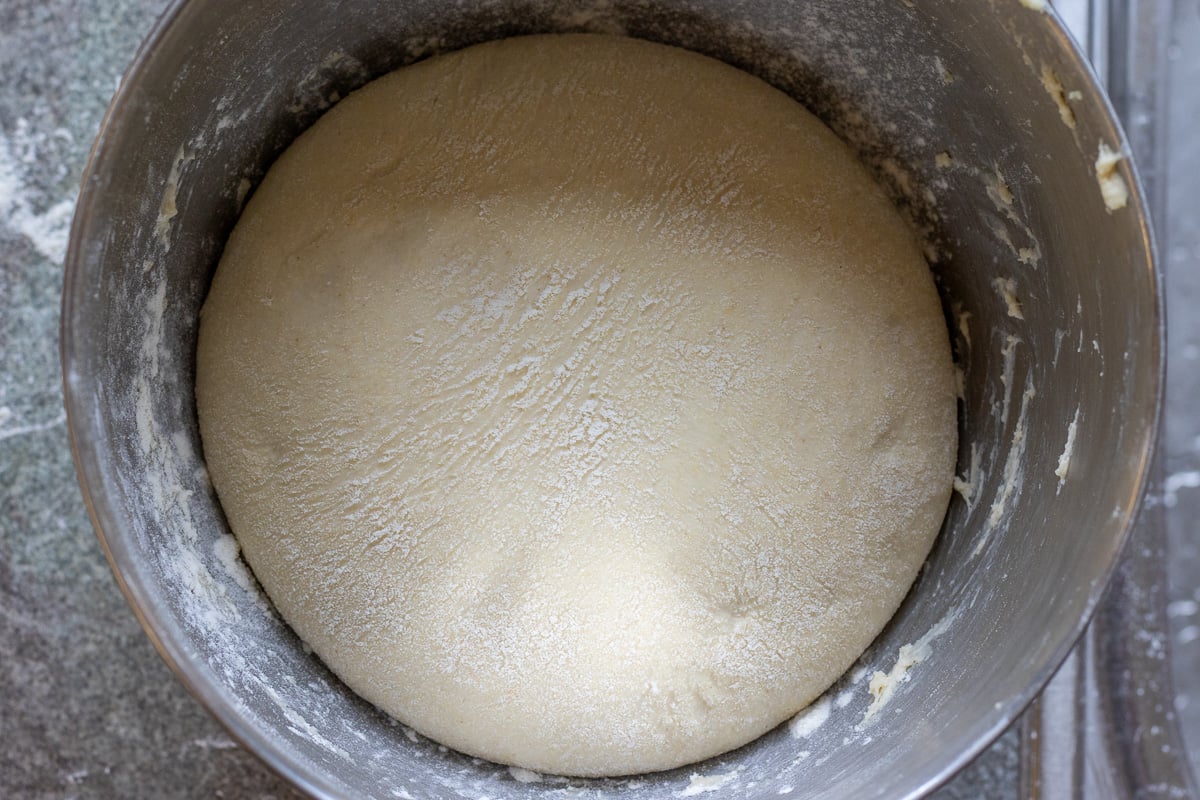
Place the dough in a lightly oiled bowl. Cover it with a clean tea towel, cling film, or a reusable cover. Leave it in a warm place for about an hour, or until doubled in size.
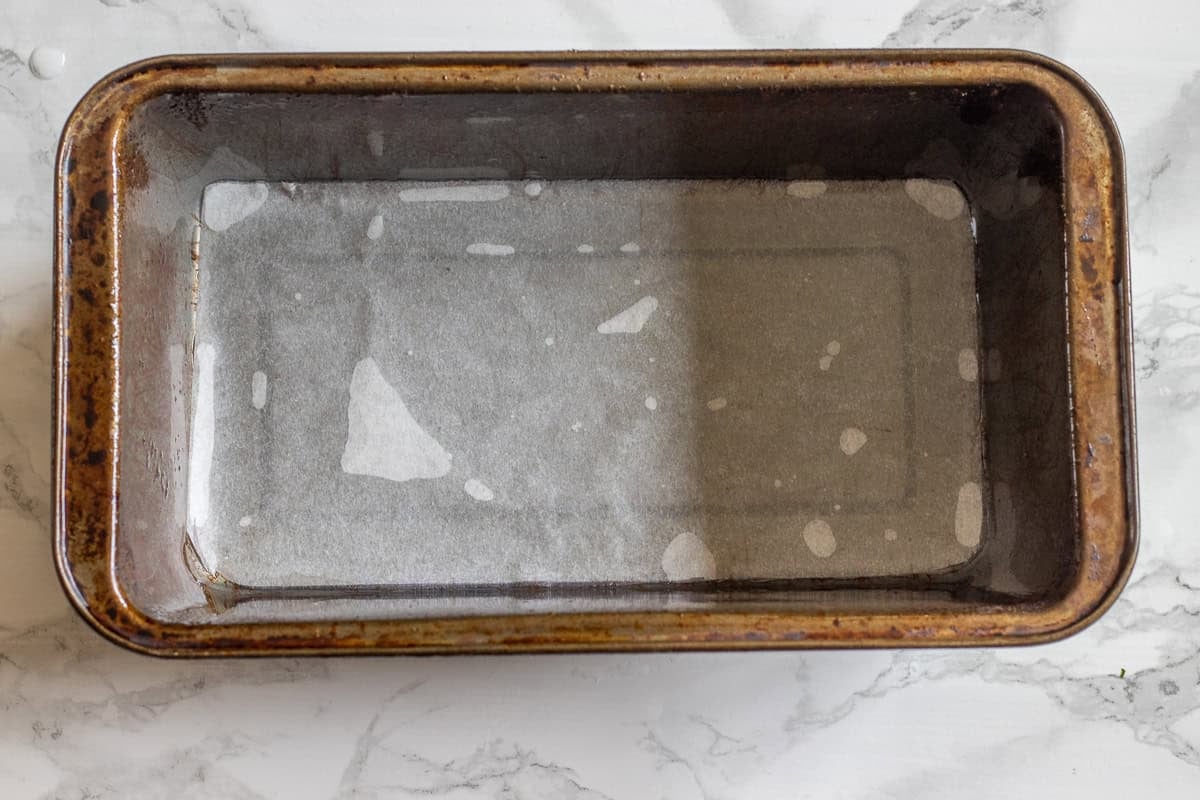
Lightly grease a 2 lb loaf tin / 9 x 5 inch loaf pan / about 23 x 13 cm with olive oil, or line it with parchment paper.
Shape the Laof
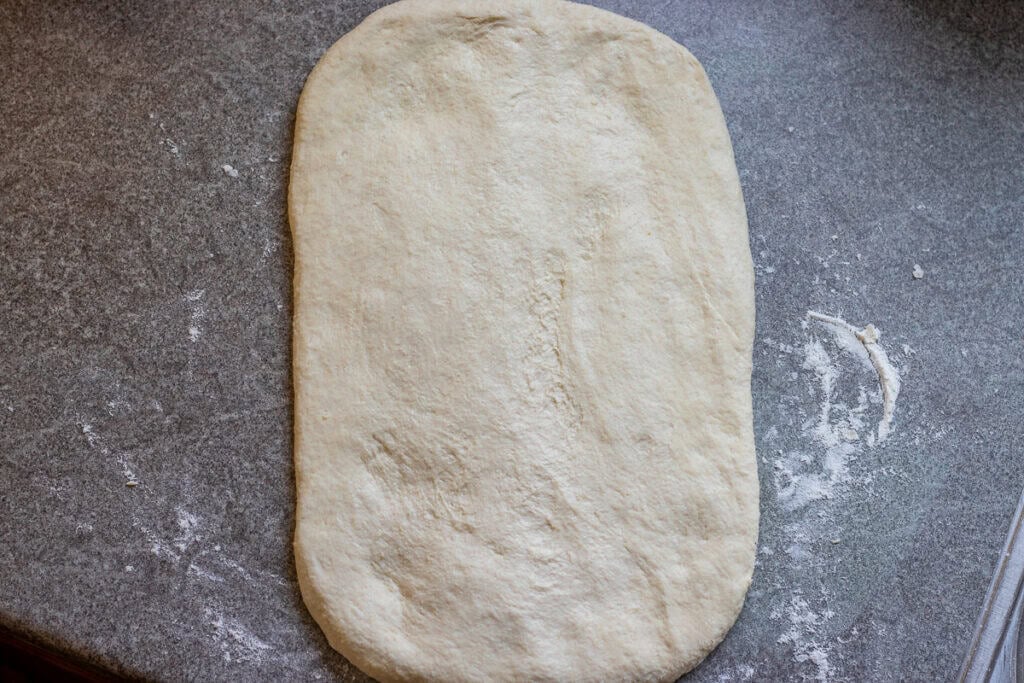
Tip the risen dough onto a lightly floured worktop. Gently press it into a rough rectangle, keeping the width close to the length of your 2 lb loaf tin / 9 x 5 inch loaf pan / about 23 x 13 cm.
Starting from one of the shorter sides, roll the dough up tightly into a log. Try to keep the roll even as you go, and gently pinch the seam closed at the end.
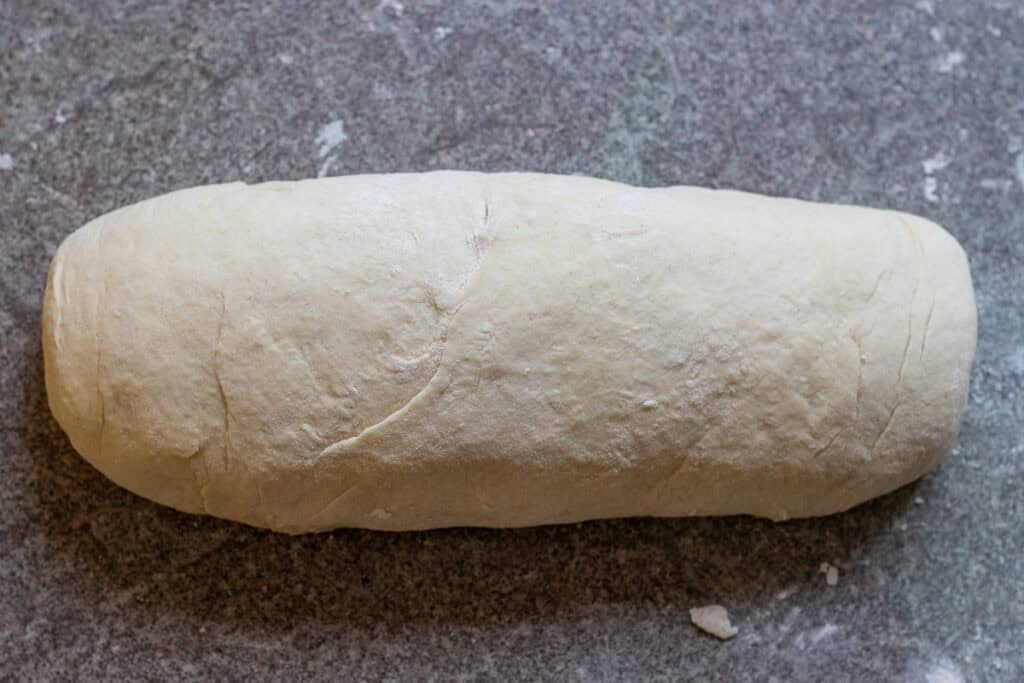
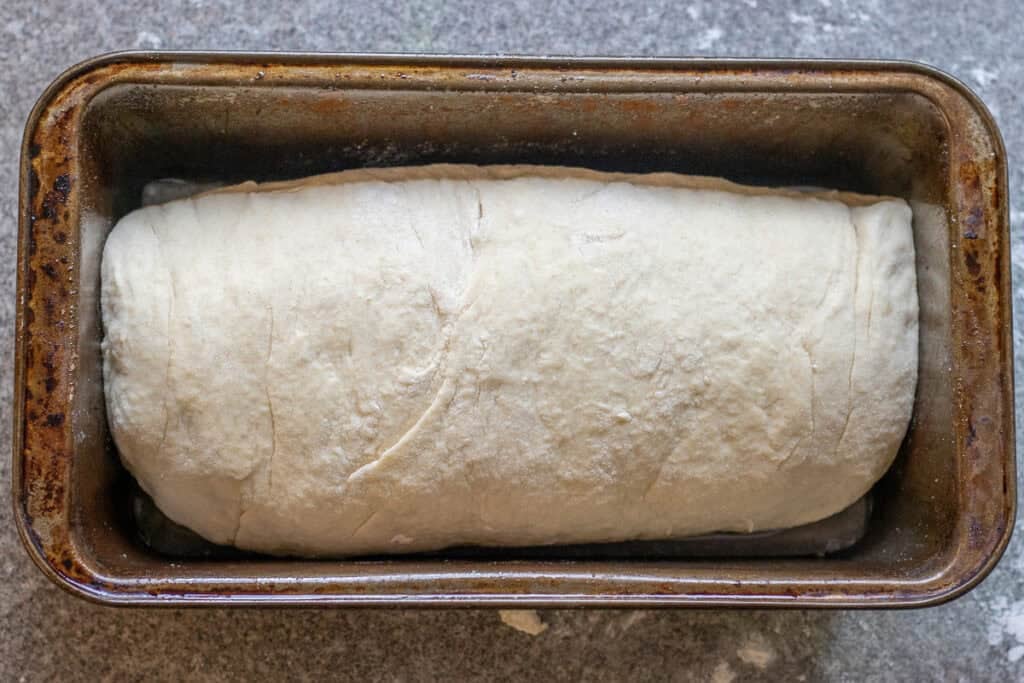
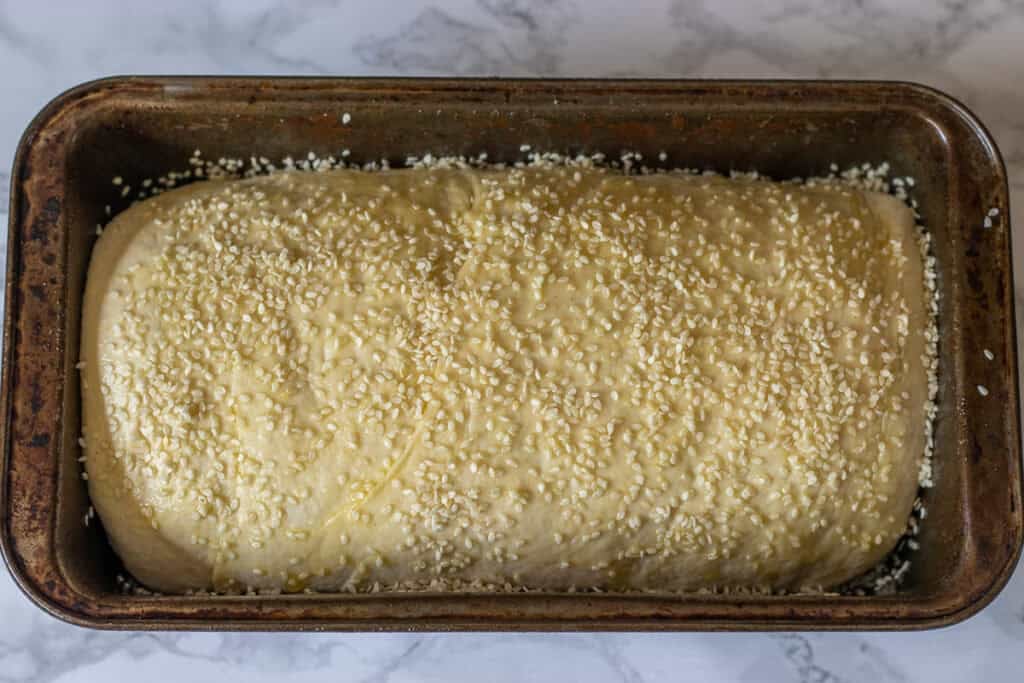
Tuck the ends under slightly so the loaf fits neatly into the tin. Place it into the prepared tin with the seam side down. Cover loosely and leave it to rise again for 35 to 45 minutes, or until it looks puffy and has risen well in the tin.
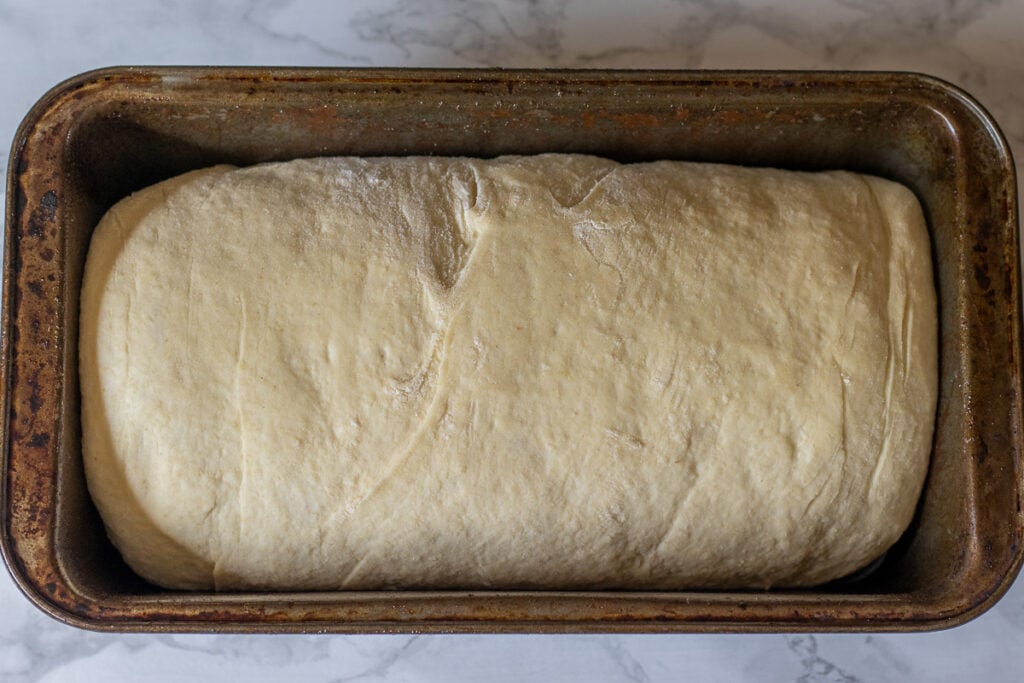
Second Rise and Bake
Preheat the oven to 375°F / 190°C / 170°C fan / Gas Mark 5. Brush the top of the dough lightly with beaten egg white. Sprinkle over the sesame seeds and press them in gently with your fingers. Brush the top very lightly with olive oil, then bake for 35 to 40 minutes, or until the bread is golden and sounds hollow when tapped underneath.
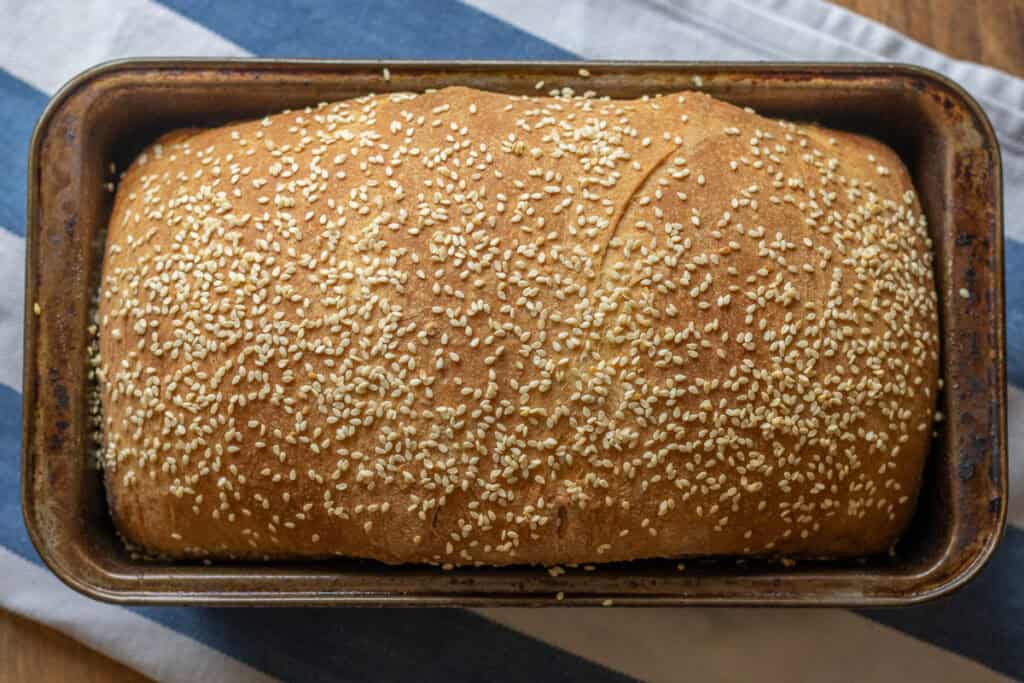
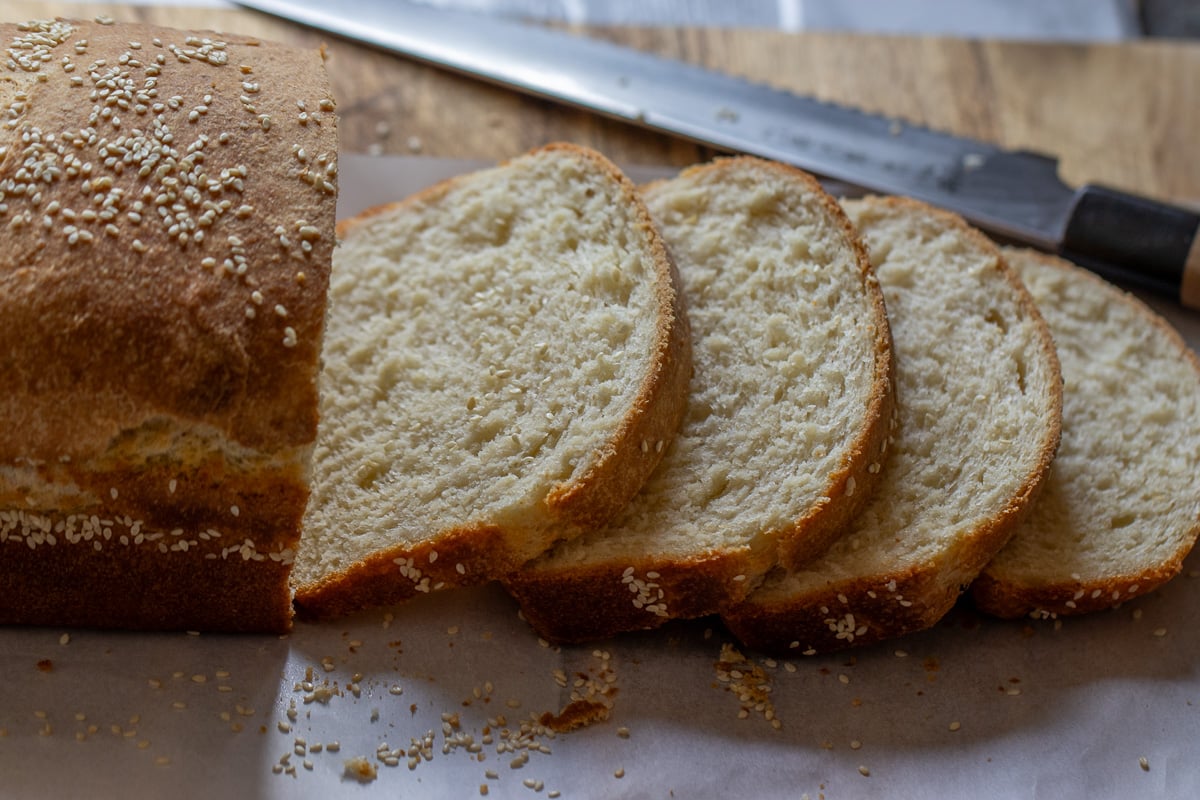
Leave the bread in the tin for 10 minutes, then transfer it to a wire rack. Let it cool for at least an hour before slicing.
Recipe Tips From the Chef
- Use fine semolina rather than coarse semolina. Fine semolina blends into the dough better and gives the bread a nicer texture.
- Keep the dough soft. A little stickiness is fine, and adding too much flour can make the bread dry.
- Let the dough double in size during the first rise. A cold kitchen may slow it down, so use the dough as your guide rather than only watching the clock.
- Use a 2 lb loaf tin / 9 x 5 inch loaf pan / about 23 x 13 cm for a good shape. A very wide tin can make the bread bake flatter.
- Let the bread cool before slicing. The crumb needs time to set, and cutting it too early can make the inside feel heavy or damp. I find it much easier to place the loaf in the freezer until slightly firm, then slice it with a serrated bread knife for cleaner, neater slices.
What to Serve with Greek Village Bread
This bread is great for scooping up dips and sauces. It works well with meze-style dishes such as Whipped Brie Cheese with Honey, Skordalia - Greek Potato Dip, Fava, Melitzanosalata, or Spicy Feta Dip.
You can also use it for simple open sandwiches. Toast a slice and top it with feta, tomatoes, cucumber, olives, roasted peppers, or a fried egg.
If you have leftover bread, cut it into cubes and turn it into croutons (these Air Fryer Croutons are so easy to make!) for salads and soups, or blitz it into breadcrumbs for Smyrna Meatballs, Kadinbudu Kofte, or topping Smoked Gouda Mac and Cheese.
Storage and Freezing
Keep the bread wrapped in a clean tea towel or in a bread bag at room temperature for up to 2 days.
For longer storage, slice the bread and freeze it in a freezer bag for up to 3 months. Toast the slices straight from frozen, or let them thaw at room temperature.
To refresh the loaf, sprinkle the crust very lightly with water and warm it in the oven at 320°F / 160°C / 140°C fan / Gas Mark 3 for 8 to 10 minutes.
Avoid storing fresh bread in the refrigerator, as it can make the crumb dry out faster.
Recipe FAQs
Yes, but the loaf may be softer and less chewy. Bread flour gives better structure and helps the loaf rise well.
Yes, you can mix the dough in a large bowl with a wooden spoon, then knead it by hand on a lightly floured worktop until soft and smooth. It will take a little more effort, but it works well.
The bread should look golden on top and sound hollow when tapped underneath. If you use a thermometer, the center should read about 201°F / 94°C.
Related Recipes
For more delicious Homemade bread recipes, why not try:




Did you make this recipe? Please let me know how it turned out! Leave a comment below and tag @cookingorgeous on Instagram and hashtag it #cookingorgeous.
I hope you enjoy the process of making this rustic Greek Village Bread - Horiatiko Psomi as much as you enjoy eating it! 🙂
Want to Save This Recipe?
Enter your email & I'll send it to your inbox. Plus, get great new recipes from me every week!
By submitting this form, you consent to receive emails from Cooking Gorgeous
Greek Bread - Horiatiko Psomi
Ingredients
- 3 cups bread flour or strong white bread flour (13¼ oz / 375 g)
- ¾ cup fine semolina (4½ oz / 125 g)
- 2 ¼ teaspoon instant yeast
- 1 ½ teaspoon fine sea salt
- 1 tablespoon honey
- ¾ cup Greek yogurt or plain natural yogurt (6⅓ oz / 180 g)
- ¾ cup lukewarm water
- 3 tablespoon olive oil
- 1 egg white (lightly beaten)
- 1 tablespoon sesame seeds
- 1 tablespoon olive oil for brushing
Instructions
- Place the bread flour, fine semolina, instant yeast, salt, honey, yogurt, lukewarm water, and olive oil into the bowl of a stand mixer.
- Mix with the dough hook on medium-low speed for 5-6 minutes, until everything comes together into a sticky dough.
- Sprinkle your worktop with a little flour and tip the dough onto it. Knead by hand for a few more minutes, until the dough feels soft, smooth, and easier to handle. Try not to add too much extra flour.
- Place the dough in a lightly oiled bowl, cover, and leave it to rise in a warm place for about an hour, or until doubled in size.
- Lightly grease a 2 lb loaf tin / 9 x 5 inch loaf pan / about 23 x 13 cm with olive oil, or line it with parchment paper.
- Tip the risen dough onto a lightly floured worktop and gently press it into a rough rectangle, keeping the width close to the length of your loaf tin.
- Starting from one of the shorter sides, roll the dough up tightly into a log. Try to keep the roll even as you go, and gently pinch the seam closed at the end.
- Turn the dough seam-side down and gently roll it back and forth with your hands to form a smooth log.
- Tuck the ends under slightly, then place the dough into the prepared loaf tin with the seam side down.
- Cover loosely and leave it to rise for 35 to 45 minutes, or until puffy and risen well in the tin.
- Preheat the oven to 375°F / 190°C / 170°C fan / Gas Mark 5.
- Brush the top of the dough lightly with beaten egg white. Sprinkle over the sesame seeds and press them in gently with your fingers. Brush the top very lightly with olive oil.
- Bake for 35 to 40 minutes, or until golden and hollow-sounding when tapped underneath.
- Leave the bread in the tin for 10 minutes, then transfer it to a wire rack. Let it cool for at least 45 minutes before slicing.
Notes
- Use fine semolina for the best texture. Coarse semolina can make the crumb gritty.
- The dough should feel soft and slightly tacky. Add extra flour only if it is too sticky to handle.
- Shape the dough into a log before placing it into the tin. This helps the bread rise evenly and gives you neater slices.
- Use a 2 lb loaf tin / 9 x 5 inch loaf pan / about 23 x 13 cm for a good shape and easy slicing.
- Egg white helps the sesame seeds stick better than water or olive oil alone.
- Let the bread cool before slicing so the crumb has time to set.
- Store the bread wrapped at room temperature for up to 2 days.
- Slice and freeze for up to 3 months. Toast slices straight from frozen, or let them thaw at room temperature.




Sonia says
This was so easy to shape, and it tasted amazing with olive oil and feta.
dog147 says
could you please clarify that tsps is short for teaspoon.
Ayla Clulee says
Hi, yes, tsp is for teaspoon, and tbsp is for tablespoon. Let me know if you have any questions!
dog147 says
Thank you for your quick reply, The reason why i asked about the measurements is that your wrote the word tablespoon in full yet still used the abbreviation tsps for the yeast. I was wondering if 2 1/4 tablespoons (you used tsps) was correct as this seems a lot of quick acting yeast?
Ayla Clulee says
Hi, It is tsp for teaspoons, tbsp for tablespoon. The amount of yeast is equal to 7 grams, a small sachet ( ¼ oz if you are in the US). So you will need 2 ¼ TEASPOONS of yeast, not TABLESPOONS.